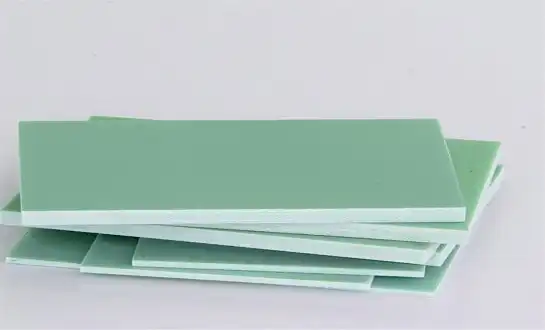
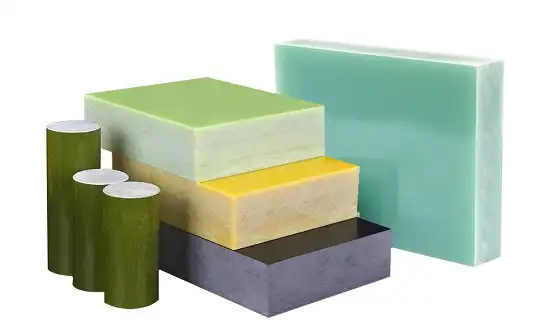
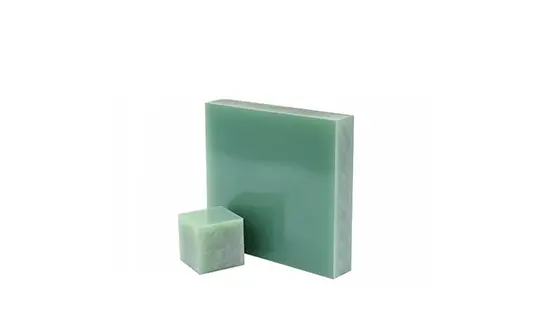
3026 Phenolic Cloth Laminated Sheet: CNC Cutting and Milling Methods
When engineers and procurement teams search for a reliable material that handles mechanical stress, electrical insulation, and precise CNC machining simultaneously, the 3026 phenolic cloth laminated sheet consistently comes up as a strong candidate. This guide walks through what makes this material worth your attention, how to machine it correctly, and what to look for when sourcing it at scale. Whether you work in switchgear manufacturing, transformer production, or industrial machinery, understanding how to process phenolic cloth laminates properly will save you time, reduce scrap, and improve your final component quality.
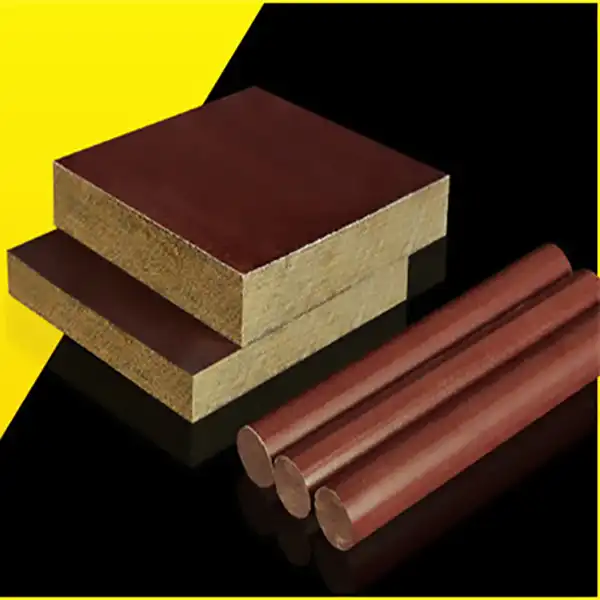
Understanding 3026 Phenolic Cloth Laminated Sheet: Properties and Industrial Applications
What Is This Material, Exactly?
The 3026 grade is made up of layers of rough cotton cloth that were soaked in phenolic resin and then pressed together at very high temperatures and pressures. In the 3025 grade, the weave is thinner, but in the 3026 grade, a smooth surface is less important than high impact strength and mechanical load capacity. It has Class E insulation, which means it can be used all the time at 120°C. It usually has a density of 1.35 to 1.45 grams per cubic centimeter and can bend at least 100 MPa. This makes it one of the better phenolic laminates for building structures.
Key Physical and Electrical Properties
It has a lot of the performance traits that are important in real production work. These are the most important things for CNC cutting and business use:
- Mechanical strength: Flexural strength ≥ 100 MPa with high compressive resistance perpendicular to laminations, suitable for gears, bushings, and structural spacers under heavy cyclic loading.
- Electrical insulation: Low dielectric conductivity makes it appropriate for terminal boards, transformer supports, and switchgear insulation where moderate voltage separation is required.
- Chemical resistance: Holds up well against oils, weak acids, and common industrial solvents—this matters in environments like rolling mills or oil-immersed electrical assemblies.
- Thermal stability: Maintains dimensional and mechanical integrity up to 120°C, preventing creep or deformation during heat-generating operations.
At least 100 MPa of force can be applied to bend this material, and it has a high resistance to compression across the laminations. Being able to load and unload many times makes it a good choice for gears, bushings, and structural spacers.
Where Industry Uses It?
Because of these features, phenolic cotton laminate is strong like metal but bendable like industrial plastic. When you need to keep things running easily and cut down on noise, this is the best thing for you.
CNC Cutting and Milling Methods for 3026 Phenolic Cloth Laminated Sheets
Why Does Machining This Material Require Care?
3026 Phenolic Cloth Laminated Sheet, on the other hand, is very hard to break. Sometimes when you cut it, the ends can come off, and scratchy dust can form. Small cracks can also form on the surface, which makes the final part less strong. Another worry is the buildup of heat. The plastic core gets soft and changes size when there is too much heat. Before you program your CNC paths, you should know how these things work. It costs a lot of money to fix parts that aren't clean or the right size if you don't.
Tool Selection and Feed Rate Guidelines
For phenolic cloth laminates, strong carbide tips or carbide end mills are the best tools to use. The rough cotton-resin mix wears down heavy-duty steel tools way too fast. An upcut spiral end mill with one or two flutes that spins at 18,000 to 24,000 RPM and 1.5 to 2.5 m/min can be used to form and turn. It makes clean edges that don't come apart. When they bore, brad-point carbide drills get rid of as much fiber as they can at the entry and exit holes. Deep cuts spaced far apart are best for cutting through things that are more than 20 mm thick. This will help you handle heat and tools that bend.
Cooling and Dust Management
The best way to cool phenolic cutting is with air blast cooling, which is dry compressed air aimed at the cut area. If you leave laminate out in the open for a long time, liquid coolant can soak into the sides. This could make the plastic get bigger or lose its stickiness. Because phenolic dust contains leftover formaldehyde, OSHA rules say the machine needs to be properly vacuumed. This is to protect people's health and the environment. Use sharp inserts at light cutting levels (0.3–0.5 mm per pass) to make a flat surface clean, smooth, and not hot. This will get it ready for face milling.
Comparison of 3026 Phenolic Cloth Laminated Sheet with Other Laminates in CNC Applications
3026 vs. Paper Laminate (3021 Grade)
The 3026 cloth type is stronger and doesn't get wet as quickly as the paper-based type. They also cost less. When bearing bushings or gear flats are used, things that shake, shock, or come into contact with oil break down the paper grade a lot faster.
3026 vs. Epoxy Glass Laminate (FR4/G10)
There is no better material than FR4 for supporting high-voltage PCBs and making precise electronics. It keeps water out better and has a high insulating strength. It costs more per kilogram, takes longer for cutting tools to wear out, and isn't very useful for mechanical tasks that need to be self-lubricating. When toughness is more important than how well it moves power, 3026 is the better grade.
3026 vs. Melamine and Fiberglass Variants
Melamine laminates have a smoother surface, but they don't last as long. For large runs, it's harder to find fiberglass types (G11, FR5) at prices that work. They are also rougher to make. This means they can handle temperatures above 130°C. It lasts longer than paper or melamine grades but is easier to work with than grades made of glass, cork, or wood. The 3026 mark is a good middle ground. It's also cheap if you buy a lot of it.
Procurement Considerations for 3026 Phenolic Cloth Laminated Sheets
Supplier Qualification and Certifications
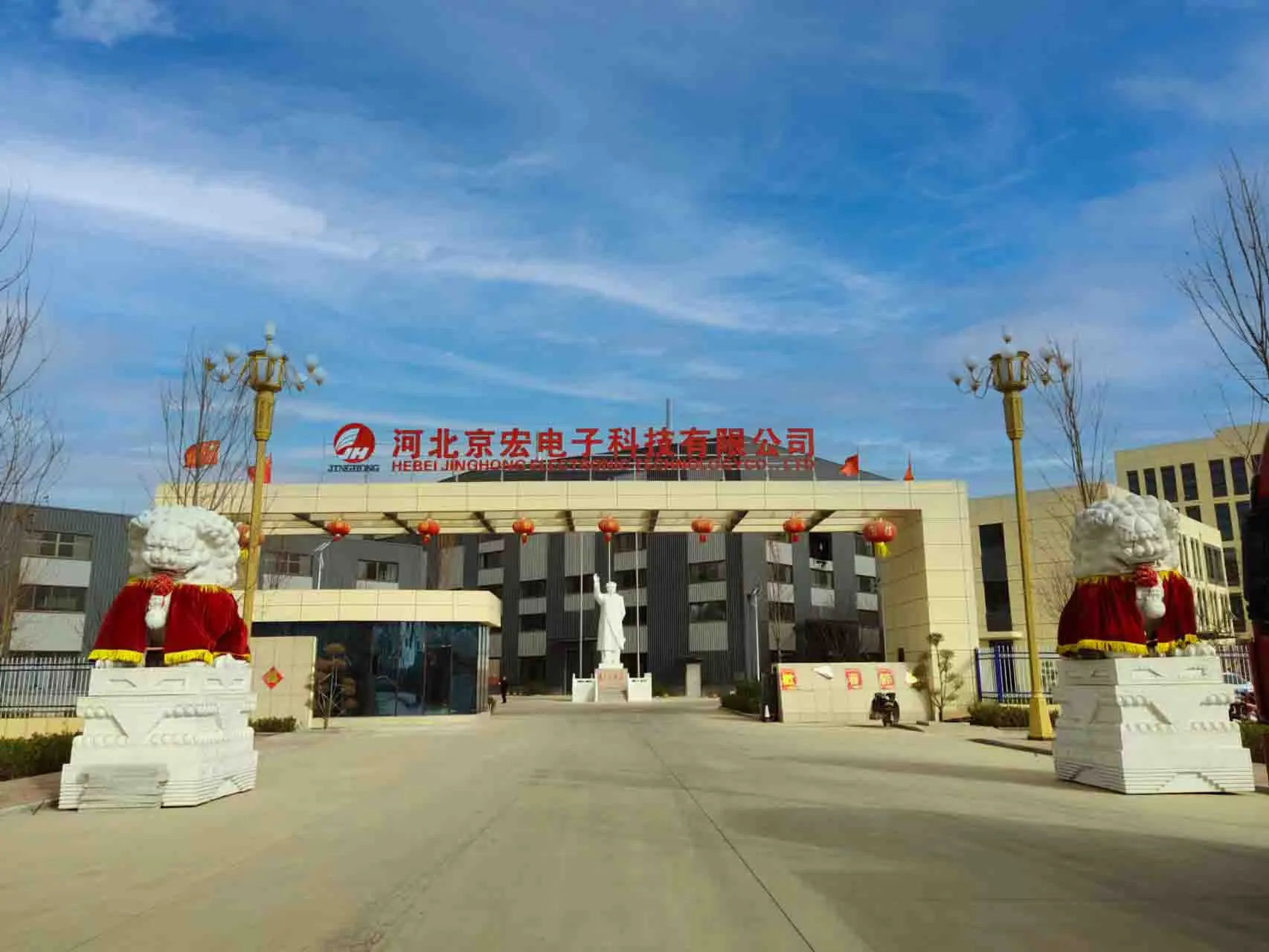
Make sure that the company that sells 3026 Phenolic Cloth Laminated Sheet is ISO 9001 approved and that the product meets the UL 94 and ASTM D578 standards for flammability. JingHong makes 13,000 tons of 3026 sheets every year, which is proof that they meet these requirements. This is done to make sure that stable batch availability is met for long-term supply contracts.
MOQ, Sizing, and Custom Orders
You can buy as little as 500 kg from JingHong, and their normal sheets are 1020 x 2020 mm. If you need to, just tell them what size you want. It's between 0.5 mm and 100 mm thick. There are a number of ways to get goods across North America in time for projects. These include water freight, land transport, and air freight. T/T is used to pay.
Requesting Samples and Technical Datasheets
This stuff has a temperature class, a density, a flexural strength, and dielectric properties. Before you place an order for mass production, you should ask for a sample and all the details you need. The information you get from companies should match the IEC and GB/T standards that are important for your project. J&Q had only been in business for 20 years before. They trade with other countries all the time now. They keep records on technical things that help you become an engineer right away.
Ensuring Optimal Use and Longevity of 3026 Phenolic Cloth Laminated Sheets Post-CNC Processing
Handling and Storage After Machining
Finish the phenolic parts and keep them flat on boxes so they don't get wet or in direct sunlight. It's not likely that the 3026 grade will get wet, but the polished edges are more likely to get wet than the joined surface. Because of this, they should be kept in a dry, sealed space, especially in damp places.
Inspection Intervals and Wear Indicators
When composite gears and bushings are being used, look for growth, breaking of the surface, or cutting of the edge. These marks could mean that the parts are taking in water or getting bigger because it's hot. If a machine works two shifts or more, you should check its gears every 1,000 hours. If parts are more than 5% off from the original plan size or are clearly separated at the tooth roots or hole edges, they need to be replaced.
Troubleshooting Common Field Issues
Most of the time, edges come apart after CNC cutting because the tools are too dull or the feed rate is too fast. Most of the time, parts that have been machined will warp because too much material was cut away too quickly, putting stress on the part. This can be fixed by making each pass less deep and letting the material heal between roughing and finishing.
Conclusion
A lot of different types of people have used the 3026 Phenolic Cloth Laminated Sheet, and it really does work well. People who know how to make it and keep it in good shape will find it useful. The material is strong, doesn't conduct electricity well, doesn't react with chemicals, and can be cut on a CNC machine. This makes it a good choice for making gears, bearings, structural parts, and electrical insulators. Which provider you pick will affect how well your goods are made and how reliable their parts are. Look for one that has official certifications, a stable production capacity, and support from experts. You can use this guide to find a supplier and learn more about phenolic laminates if your team wants to use them for a project.
FAQ
What is the maximum service temperature for this phenolic laminate during CNC operations?
With a Class E rating, the 3026 grade can be used nonstop at 120°C. This is the hottest the cut zone can get during CNC machining for a short time. So, air blast cooling is the best choice. This part could become soft and lose its shape if it stays hot for a long time above 120°C.
How does machinability compare to fiberglass laminates like FR4?
Most of the time, 3026 cloth works better with carbide tools than FR4 or G10. Cotton threads have a cleaner core than glass fibers. This keeps tools in good shape longer and lowers the cost of making parts.
Can I order custom CNC-cut sheets directly from the supplier?
Yes. JingHong will take any size order as long as the MOQ is 500 kg. We can make different sizes and thicknesses to meet your needs. Before you buy something to be made, you might need more scientific knowledge or a sample of the material.
What certifications should I verify before purchasing?
At the very least, make sure it meets ISO 9001, UL 94, and ASTM D578. You should also look at the thermal class documents and the dielectric test records for power and energy uses.
Get a Quote on 3026 Phenolic Cloth Laminated Sheet from J&Q
J&Q is a store where you can buy approved phenolic cloth laminates. These are tough enough to be used in factories. Since we've been making 3026 Phenolic Cloth Laminated Sheets for over 20 years, we know how to ship them. We can ship by sea, land, or air, and we can make sizes that you need. The quality of each batch is stable. We can also offer direct help with technology issues. You can get a price right away for a sample or by the case by going to blog.jhd-material.com or emailing info@jhd-material.com with your plans or specs.
References
1. ASTM International. ASTM D578: Standard Specification for Glass Fiber Strands. ASTM International, 2020.
2. IEC. IEC 60893: Industrial Rigid Laminated Sheets Based on Thermosetting Resins for Electrical Purposes. International Electrotechnical Commission, 2021.
3. UL. UL 94: Standard for Tests for Flammability of Plastic Materials for Parts in Devices and Appliances. Underwriters Laboratories, 2018.
4. Harper, C. A. Handbook of Plastics Technologies. McGraw-Hill, 2006.
5. Mazumdar, S. K. Composites Manufacturing: Materials, Product, and Process Engineering. CRC Press, 2002.
6. Strong, A. B. Plastics: Materials and Processing. Prentice Hall, 2006.

Get a complete product list and quotation
J&Q New Composite Materials Company