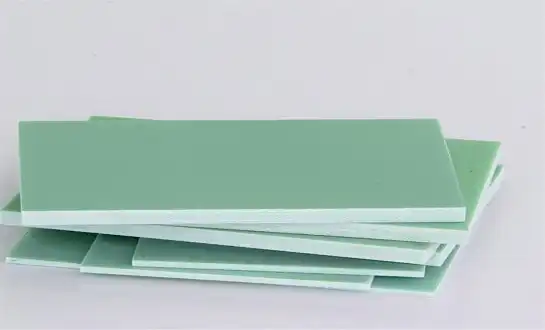
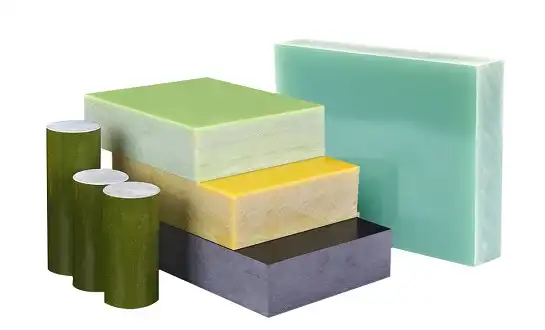
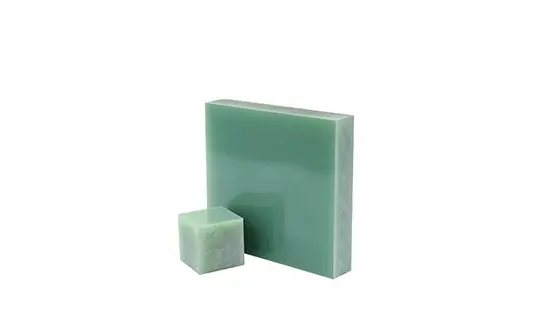
With their unique mix of great electrical qualities, industrial strength, and ease of machining, FR4 sheet materials have become known as the best machinable insulation options. The fiberglass-reinforced epoxy laminate structure keeps its shape while it is being machined, and it also has great dielectric strength and flame protection. Because of this, FR4 is a great choice for a wide range of uses, from printed circuit boards to electrical covers, where accurate cutting, drilling, and shaping are needed.

Understanding FR4 Sheet: Composition and Key Properties
FR4 is a high-tech composite material made from woven fiberglass cloth that has been mixed with flame-resistant epoxy glue. In the production process, several pieces of glass cloth are layered with epoxy glue. The assembly is then heated and pressed in special presses under controlled conditions. This makes a smooth structure that blends the strength of glass fibers with the ability to stick things together like finished epoxy.
Material Composition and Structure
The fiberglass part usually makes up 60–70% of the material by weight and gives it strength and stability in its shape. The epoxy glue matrix holds the glass fibers together and also helps keep fires out and keeps electricity from flowing through it. This balanced mix makes sure that cutting processes make clean cuts that don't delamination or fiber tearing, which are important for making precise products.
Essential Physical Properties
Good physical stability across temperature ranges, uniform stiffness throughout the material thickness, and little moisture absorption are some of the qualities that make it easier to machine. For normal types, the glass transition temperature is usually between 130°C and 180°C. This lets you machine the steel without it breaking down due to heat. Because of these features, makers can use CNC machines to make parts with tight specs and smooth surfaces.
Why FR4 Stands Out as a Machinable Insulation Material?
FR4 is very easy to work with because its mechanical qualities are balanced and its structure is regular. Unlike many other insulation materials, which have uneven density or brittleness, FR4 stays structurally sound even after being machined in different ways.
Mechanical Strength and Stability
The tensile strength of FR4 is usually higher than 400 MPa, which makes sure that small pieces stay stable while they are being machined. Doing activities like cutting, grinding, or turning on this material does not cause it to chip or crack. Because it is so reliable, producers can make complicated shapes without worrying about the accuracy of the dimensions.
Thermal Performance During Machining
Because an FR4 sheet is thermally stable, it doesn't soften or melt when it's being machined quickly. Standard grades keep their features up to 130°C, while high-temperature versions can work continuously at 170°C. This thermal durability makes sure that the heat from cutting doesn't damage the material or the quality of the surface.
Electrical Insulation Maintenance
The electrical protection qualities of FR4 are not changed by machining processes. Even after being cut and shaped a lot, the material keeps its dielectric strength of about 20 kV/mm. This quality is very important for electrical uses where the purity of the insulation can't be affected during the making process.
Comparative Overview: FR4 vs Other Insulation Materials in Machining
When looking at different insulation materials for cutting tasks, FR4 always does better than the others in a number of important ways. Knowing about these differences helps engineers and people who buy things make smart choices about what materials to use.
Performance Against Phenolic Materials
FR4 is more stable in terms of its dimensions and less likely to break when it is machined than phenolic laminates. When high cutting forces are applied to phenolic materials, they often crack, but FR4 keeps its structure intact. The epoxy glue system in FR4 also makes it more resistant to moisture, which keeps the dimensions from changing in ways that could affect the accuracy of the made parts.
Advantages Over Pure Epoxy Systems
Pure epoxy materials have great electrical properties, but they don't have the practical strength that glass fiber does. This limitation makes it hard to machine, and it tends to make sticky chips and have a rough surface finish. The fiberglass support in FR4 gets rid of these problems while keeping the same electricity performance.
High Temperature Grade Considerations
High TG versions of FR4 allow for wider working temperature ranges while still being easy to machine. For these types, tweaked epoxy systems are used to make glass transition temperatures higher than 170°C. They have better temperature performance without losing their cutting ability, which makes them perfect for tough jobs in the aircraft and automobile industries.
Procurement Considerations for FR4 Sheets: Buying Smart and Efficient
To successfully buy FR4 products, you need to know about quality standards, the skills of the seller, and the unique needs of the application. Using smart buying tactics can have a big effect on both costs and results.
Quality Standards and Certifications
Materials that meet foreign standards like IPC-4101 and UL 94 V-0 flame grade, such as the FR4 sheet, can be bought from reputable sources. These licenses make sure that the quality and performance are always the same, which is important for getting solid results from cutting. Data on material properties, electrical test results, and physical limit standards should all be included in quality paperwork.
Supplier Evaluation Criteria
When choosing providers, you should think about their ability to make things, their quality control methods, and their expert help. Suppliers that have been around for a while usually offer material certificates, sample tests, and help with application. Long-term relationships with dependable sellers ensure uniform quality of materials and lower the risks of buying them.
Volume and Customization Options
Buying in bulk can save you money and make sure that the quality of the materials for big jobs is consistent. A lot of providers offer custom cuts, blocks that have already been made, and different thicknesses. These extra services can cut down on the time it takes to do internal work and make the whole project run more smoothly.
J&Q: Your Trusted Partner for Premium FR4 Solutions
With more than 20 years of experience in production and more than 10 years of experience in foreign trade, J&Q is one of the best places to get high-quality FR4 products. Because we have many relationships with selling companies in both the United States and other countries, we can offer complete solutions that are made to fit a wide range of business needs.
Comprehensive Product Range and Services
Our range of products includes different types of FR4, such as normal and high-temperature versions, that come in a range of thicknesses and sheet sizes. We know how important it is for materials to be consistent when they are being machined, so we keep a close eye on quality throughout the whole process. Our professional team helps customers choose the best materials for their needs, which helps them get better results from their machining methods.
Integrated Logistics and Support
Through our specialized transportation business, we offer one-stop service options that make the whole buying process easier, from placing the order to delivering it. Shorter wait times, lower shipping costs, and happier customers are all guaranteed by this combined method. Our dedication to greatness goes beyond just delivering products; it also includes ongoing technical support and application help to make sure customers are successful.
Conclusion
As a result of its excellent mechanical strength, temperature stability, and electrical performance, the FR4 sheet has become the best insulator material that can be machined. The special structure made of fiberglass and epoxy keeps its important insulation qualities even when it's being used in different industrial processes. FR4 performs reliably and meets the strict needs of modern manufacturing, whether it's for making electronics, industrial tools, or power uses. Engineers and procurement workers looking for reliable insulation solutions for precision machining applications should choose this material because it can be used in a variety of ways and has a history of good provider support.
FAQs
What about FR4 makes it easier to work with than other shielding materials?
The balanced fiberglass-epoxy makeup of FR4 makes it easier to machine because it keeps its stiffness and shape over time. Unlike phenolic materials that break easily or pure epoxy systems that are too soft, FR4 keeps its shape when it is being cut, leaving clean edges and smooth surfaces.
Can FR4 sheets keep their electrical qualities after being machined?
Yes, FR4 that has been properly made keeps its electrical insulation qualities, such as its dielectric strength of about 20 kV/mm. The uniform structure of the material makes sure that shape and cutting doesn't make electrical lines or lower the insulation's effectiveness.
In what thickness ranges can you use them for machining?
FR4 sheets usually come in thicknesses between 0.5mm and 100mm, with 1.6mm, 3.2mm, 6.4mm, and 12.7mm being the most popular. Custom width choices can be given based on the needs of the product and the limits for cutting.
Partner with J&Q for Superior FR4 Sheet Solutions
Are you ready to see how better FR4 products can help you with your machining tasks? J&Q offers great value for your insulation material needs by combining decades of production experience with full transportation support. Manufacturers all over the world choose us as their first choice for FR4 sheets because we are dedicated to quality, offer low prices, and have excellent expert support. Email us at info@jhd-material.com to talk about your unique needs and find out how our custom solutions can help you improve the performance and efficiency of your production.
References
Institute of Electrical and Electronics Engineers. "Standard for Electrical Insulating Materials - Test Methods for Thermal Evaluation." IEEE Standards Association, 2018.
Mallick, P.K. "Fiber-Reinforced Composites: Materials, Manufacturing, and Design." CRC Press, 2020.
National Institute of Standards and Technology. "Dielectric Properties of Electronic Substrate Materials." NIST Technical Publication, 2019.
International Electrotechnical Commission. "Insulating Materials - Industrial Rigid Laminated Sheets Based on Thermosetting Resins for Electrical Purposes." IEC Standard 61212, 2017.
American Society for Testing and Materials. "Standard Test Methods for Properties of Electrical Insulating Materials." ASTM International, 2021.
Lubin, George. "Handbook of Composites: Processing and Manufacturing of Composite Materials." Van Nostrand Reinhold, 2019.