UK wholesalers who want to buy high-quality NEMA CE sheet materials are increasingly going to China, which has a long history of making them. Because these special electrical insulation boards are both very good at insulating and very strong, they are necessary parts for power transfer equipment, transformers, and industrial machinery. Direct manufacturer partnerships, authorized distributors in key industrial regions like Hebei and Guangdong provinces, and well-established B2B platforms that connect international buyers with verified suppliers offering competitive prices and reliable quality standards are some of the main ways that goods are sourced.

Understanding NEMA CE Sheet and Its Market Demand
What Is NEMA CE Sheet? Specifications and Key Properties?
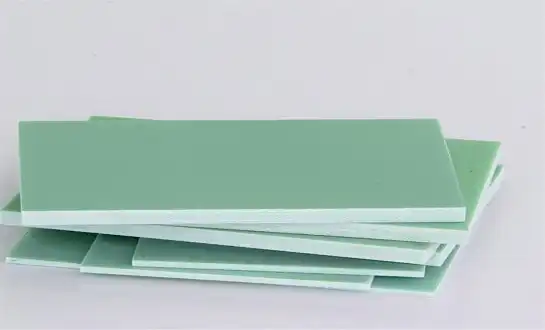
NEMA CE sheet is a phenolic laminate made from cotton fabric that is meant for electrical insulation applications that need to be very durable mechanically. This industrial material is very good at keeping its shape even when the temperature changes. It can usually keep its structure intact from -40°C to 130°C while it is being used continuously. The material has dielectric strengths higher than 15 kV/mm, which means it can be used in high-voltage electrical settings where safety is very important.
In the manufacturing process, layers of cotton cloth are mixed with phenolic resins. This is followed by compression molding under controlled heat and pressure. This way of making things makes a structure that is uniform, so the electrical properties are the same across the whole thickness of the material. Standard sheet sizes run from 1000mm x 2000mm to custom sizes, and thicknesses can be chosen from 0.5mm to 50mm depending on the need.
Common Applications of NEMA CE Sheet in Electrical and Industrial Sectors
Manufacturers of electrical equipment mostly use these layered sheets to make transformers, which need to be resistant to arcs and stable at high temperatures for long-term performance. The material is good for switchgear assemblies because it doesn't catch fire and keeps its insulation qualities even when it's under a lot of mechanical stress. Because the sheet is easy to machine, it can be used in industrial motor uses to make custom gaskets, spacers, and barrier parts that can handle vibration and changing temperatures.
NEMA CE materials are used in power plants to separate the coils, insulate the bus bars, and make safety barriers for the distribution panels. The car industry has found uses for the material in the building of battery packs for electric vehicles. The chemical resistance and thermal properties of the material provide important safety margins. In home appliances, these sheets are used to make motor parts and supports for heating elements, where reliable products need to work the same way from batch to batch.
Why UK Distributors Are Increasingly Interested in NEMA CE Sheets from China?
Chinese companies have put a lot of money into developing advanced production technologies that meet foreign quality standards and keep prices low. Modern factories have certified testing tools and automated quality control systems that make sure the properties of materials stay the same over long production runs. Major international certification bodies, such as UL and IEC, have recognized this technological advance for goods that are exported.
One benefit of this supply chain is that lead times are faster than they are with traditional European sources. For standard specifications, delivery times are usually between 2 and 4 weeks. Chinese suppliers usually have flexible minimum order amounts that can meet the needs of both big distributors and specific applications. Furthermore, a lot of facilities provide extra services like precise cutting, custom machining, and expert advice that make the whole procurement process better.
Key Considerations When Sourcing NEMA CE Sheet from China
Quality Standards and Certification Requirements for UK Importers
UK buyers must make sure that Chinese suppliers follow ISO 9001 quality control systems and give the right paperwork so that goods can be tracked back to their source. RoHS compliance certificates make sure that goods meet European environmental standards, especially when it comes to electrical equipment that contains restricted substances. UL certification marks show that materials have been put through strict tests to make sure they meet international standards for electricity safety.
Third-party testing proof through accredited laboratories gives you even more confidence in the properties and consistency of the material. Suppliers must give full test results that include dielectric strength, water absorption, thermal deflection temperature, and mechanical properties. Material safety data sheets, country of origin certificates, and compliance statements are some of the documents that are needed for customs clearance.
Comparing NEMA CE Sheet Types and Alternatives (NEMA CE vs FR-4, G10)
Compared to glass-epoxy options like FR-4, NEMA CE materials are better at jobs that need higher mechanical strength and impact resistance. FR-4 has great electrical qualities and doesn't absorb water, but CE grades are easier to work with and less expensive for structural insulation parts. Although G10 materials are more resistant to chemicals, they usually cost more for specific uses.
Temperature performance changes a lot depending on the type of material. For example, NEMA CE sheets can work reliably up to 130°C continuous duty, while FR-4 grades can handle temperatures close to 180°C. Because they are less likely to delaminate, mechanical qualities of CE materials make them better for uses that involve drilling, punching, or machining. When looking at costs, choosing CE grades over glass-based options for the right uses can often save you 15 to 25 percent.
Evaluating Thickness, Temperature, and Chemical Resistance to Match Buyer Needs
The choice of thickness affects both the performance of electrical insulation and the material strength of a structure. Thinner sheets (0.5–3 mm) are better for uses that need to save room while still having good dielectric properties. When used in high-voltage settings, materials that are 10 to 50 mm thick offer better mechanical support for structural parts and better resistance to arc tracking.
When materials come into touch with oils, solvents, or cleaning agents while they are being used, they need to be tested for chemical compatibility. NEMA CE sheets are very resistant to oil-based products and weak acids, but they don't work as well with strong alkaline solutions. Temperature cycling tests can help figure out how stable a material will be over time under the kind of thermal stress that happens in power tools.
Top Channels and Wholesale Suppliers for NEMA CE Sheet in China
Leading Manufacturers and Authorized Distributors in China
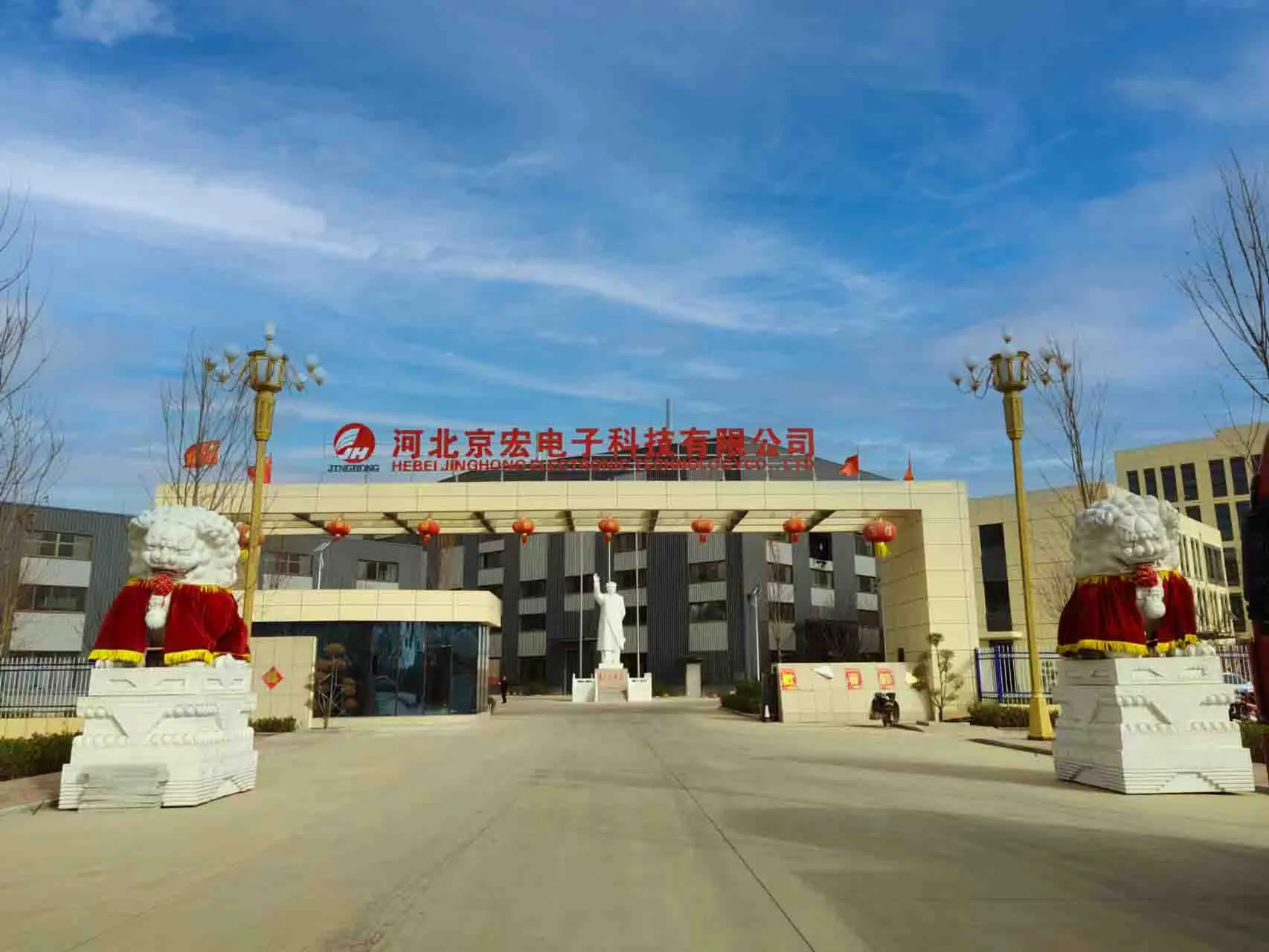
In China, most of the electrical insulation business is in the provinces of Hebei, Zhejiang, and Guangdong, where well-known companies have factories that only make phenolic laminates. In these areas, resin production, fabric processing, and laminating processes are all close to each other, which makes the supply chains more efficient. A lot of facilities follow international quality standards and keep their export licenses up to date so they can sell their goods all over the world.
Authorized distributors often offer helpful services to foreign buyers, such as managing inventory, providing technical support, and coordinating logistics. These partnerships usually offer a wider range of products from more than one manufacturer, so buyers can get products of different grades and specifications from a single supplier. When buying in smaller amounts, regional distribution networks can save you money on shipping and time compared to buying directly from the plant.
Online B2B Marketplaces vs Direct Factory Sourcing: Pros and Cons
B2B platforms make it easy to connect with many sellers by letting you compare prices and using standard ways to make transactions. Many of these platforms have systems that check the reliability of suppliers, reviews from customers, and safe ways to pay that make buying things less risky for people from other countries. However, limited communication and fewer customization choices may make it harder to have the technical conversations that are needed for certain applications.
Direct connections with factories allow for more in-depth technical collaboration, the creation of custom products, and more flexible business terms based on the possibility of a long-term partnership. Factory visits let you check the quality system and see how well the production can be done, which gives you more trust in the supplier you choose. Anyway, direct sourcing takes more time than marketplace deals because you have to spend more time evaluating suppliers and keeping up with their relationships.
How to Assess Supplier Reliability: Samples, Lead Time, MOQ, and Pricing Transparency?
Comprehensive testing methods should be included in sample evaluation programs to make sure that the electrical, mechanical, and thermal properties match published standards. Reliable suppliers send samples quickly along with full documentation and NEMA CE sheets that help customers make smart choices about which materials to use. Quality samples show that the manufacturing process was consistent and that attention to detail was paid, which is usually a sign of high production standards generally.
Lead time promises show how well you can plan production and keep track of your inventory, both of which affect how reliable your deliveries are. Total costs can be calculated correctly when price structures are clear and include base material costs, processing fees, and logistics fees. To get the most out of your working capital, minimum order quantity rules should match up with how distributors manage their stock and how the market's demand patterns work.
Procurement Process for UK Distributors: From Inquiry to Delivery
Placing Custom Orders and Negotiating Pricing and MOQ
For a procurement to go well, it needs to start with thorough technical specifications that include the sizes, electrical properties, and performance standards that are needed for the applications. For custom orders, the process of making and testing prototypes may take longer, but they are necessary to make sure that the material works as well as it can. Misunderstandings that could delay the project can be avoided by being clear about what is expected in terms of quality, packaging, and shipping times.
When negotiating prices, the total cost of acquisition should be taken into account. This includes the cost of materials, the cost of tools, the cost of shipping, and any possible customs taxes. When you commit to a certain amount of volume, you can often get better price tiers that make your long-term costs more competitive. MOQ talks need to find a balance between the costs of keeping goods and the benefits of lower prices, all while making sure that customers can keep their promises about supply.
Shipping Options, Lead Times, and Import Compliance in the UK
Ocean freight is the most cost-effective way to ship big orders, and it usually takes 25 to 35 days to get from major Chinese ports to destinations in the UK. Air freight offers faster arrival (5-7 days), but it also has much higher shipping costs, so it's only good for urgent needs or high-value packages. Through shared container plans, consolidation services can get the best shipping prices for moderate amounts.
To be compliant with import rules, goods must be correctly classified under HS codes and have accurate customs reports that show what the goods are made of and what they are meant to be used for. When figuring out the total cost, you have to take into account things like VAT responsibilities and possible anti-dumping duties. Having the right paperwork, like business invoices, packing lists, and certificates of origin, is important for quick and easy customs clearance and to avoid delays that cost a lot of money.
After-Sales Support, Installation Guidance, and Maintenance Tips
Technical advice services that help with material selection optimization and application troubleshooting should be part of full after-sales support. Installation instructions include the right way to handle the material, how to store it, and how to machine it so that its qualities are maintained during processing. Throughout the lifecycle of a product, maintenance procedures help keep performance levels high and service life long.
Good suppliers offer quick technical help that fixes problems with performance in the field and comes up with solutions for unexpected problems. Training programs for customer technical staff can make better use of materials and cut down on waste during processes. As part of long-term relationships, people often work together to make new products, which makes them more competitive in markets that are always changing.
About J&Q: Your Trusted Partner for NEMA CE Sheet Supply
About J&Q: Your Trusted Partner for NEMA CE Sheet Supply
We at J&Q have been making and selling high-quality insulating sheets for more than twenty years, making us a trusted partner for electrical and industrial uses all over the world. We have been involved in international trade for more than 10 years and have built strong relationships with many business companies in both the United States and other countries. Because we work together, we can provide a wide range of services that meet the needs of customers in many different businesses and areas of the world.
Our main manufacturing skill is making precise NEMA CE sheets that always meet the high quality standards needed by companies that make electrical equipment, industrial machinery, and things used in the power sector. Modern quality control systems are built into advanced production facilities to make sure that the traits of all the materials used stay within certain limits across all production batches. Customers who count on the material to work reliably in important applications trust this commitment to consistency.
Our Product Range: High-Quality NEMA CE Sheets Tailored for Electrical Insulation
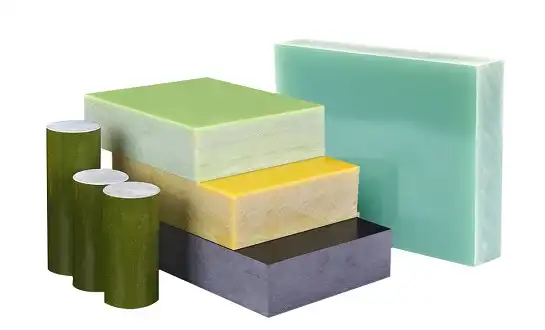
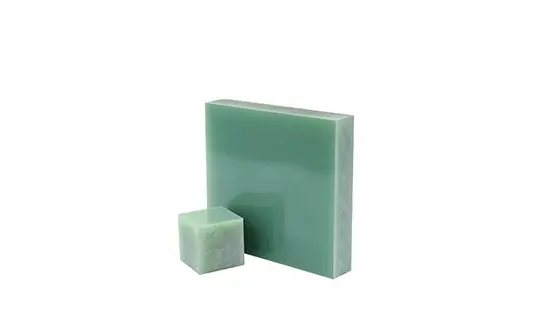
Through a wide range of grade choices and dimensional configurations, the NEMA CE sheet product line meets a wide range of application needs. Thicknesses run from 0.5mm to 50mm, and sheet sizes go up to 1020mm x 2040mm. Custom sizes can be made to fit the needs of a specific project. The qualities of the material are perfectly balanced to provide good electrical insulation while also keeping their high mechanical strength and ability to stay the same size even in changing environments.
Product development projects are always improving the ways that materials are mixed so that they can meet the changing needs of the industry for better flame protection, easier machining, and higher temperature capabilities. As part of quality assurance processes, electrical, mechanical, and thermal properties are tested in detail to make sure they meet international standards. Technical documentation gives engineers thorough information about properties that helps them make design decisions and find the best ways to use things.
Services Offered: Custom Cutting, Sample Requests, Technical Support, and Fast Shipping
Value-added services include more than just supplying materials. They also include precise cutting processes that make parts ready to be installed right away. Customers don't have to do as much processing because of our advanced cutting skills, which can handle complicated geometries and tight dimensional tolerances. Sample supply programs let you carefully check out a material before committing to large amounts of it. This helps you make confident buying decisions based on proven performance traits.
From production to delivery, our combined logistics company offers a range of services that can be accessed from a single location. This all-encompassing method gets rid of the problems that come with coordination while also improving shipping plans and cost structures. Technical support services help customers get the best results throughout the lifetime of a product by giving them advice on how to use the product, choosing the right materials, and fixing problems.
Conclusion
UK distributors looking for reliable NEMA CE sheet suppliers in China can take advantage of China's well-established manufacturing infrastructure, which combines advanced production skills with low prices. To do a good job of procuring things, you need to carefully evaluate suppliers, communicate clear specifications, and pay attention to quality standards that make sure materials always work well. When you combine technical know-how, a wide range of services, and unified logistics support, you can form partnerships that make the supply chain more efficient while still meeting the quality standards needed for electrical insulation uses in many different industries.
FAQs
How long does it usually take to get NEMA CE sheets from China?
Orders for standard NEMA CE sheets usually take between two and four weeks to produce and deliver, based on the thickness requirements and quantity needs. For custom cutting services, the normal schedule may need an extra 3–5 work days. Most of the time, rush orders can be filled for pressing needs, but there may be extra costs for faster production and shipping.
How are NEMA CE sheets different from FR-4 and phenolic sheets, which are also used for insulation?
Compared to FR-4 materials, NEMA CE sheets are stronger and easier to work with, which makes them perfect for structural insulation uses. FR-4 is better at resisting moisture and working at higher temperatures, but CE grades are cheaper and easier to work with for many electrical shielding needs. Phenolic alternatives might have similar mechanical qualities, but they don't always have the consistent electrical performance of NEMA grades.
When I buy from Chinese sellers, is there a minimum amount I have to buy?
Standard specifications say that the minimum order quantity should be between 100 kg and 500 kg, but this can be different from one supplier to the next depending on their production skills and market focus. Due to setup costs and handling time, custom cutting services often have higher minimums. For customers who have been buying from them for a while, many suppliers offer flexible MOQ plans or long-term partnership deals that let customers place smaller orders at first with a promise to buy in bulk in the future.
Partner with J&Q for Premium NEMA CE Sheet Solutions
When it comes to NEMA CE sheets, J&Q is ready to become your go-to provider. They have decades of experience making them and a wide range of service options to meet all of your needs. Our track record in international markets shows that we are reliable and consistent with our quality, which is why top companies rely on us for important electrical insulation applications. Having our own transportation company as part of our business means that delivery processes are streamlined, which keeps the supply chain as simple as possible while also lowering costs.
Quality assurance methods make sure that every shipment meets the high standards needed by companies that make electrical equipment, industrial machinery, and things used in the power sector. Technical support services are available throughout the entire relationship with the customer and include application advice, material optimization suggestions, and quick problem-solving help. Our production skills and service flexibility allow us to meet the needs of any project quickly and cheaply, whether you need standard sheet sizes or custom-cut parts. Contact us at info@jhd-material.com to talk about your needs and get product samples that show our dedication to quality excellence. This is the next step toward getting a reliable NEMA CE sheet supply.
References
National Electrical Manufacturers Association. "NEMA Standards for Industrial Laminated Thermosetting Products." NEMA Technical Publication, 2023.
Institute of Electrical and Electronics Engineers. "Guide for the Selection of Insulating Materials for Electrical Equipment." IEEE Standards Association, 2022.
British Standards Institution. "Specification for Industrial Laminated Sheets Based on Thermosetting Resins for Electrical Purposes." BSI Technical Standards, 2023.
International Electrotechnical Commission. "Specifications for Individual Types of Winding Wires - Phenolic Resin Enamelled Rectangular Copper Wire." IEC Publication, 2022.
China National Standards. "Technical Requirements for Electrical Insulating Materials in Power Equipment Applications." National Standard GB/T Publication, 2023.
European Committee for Electrotechnical Standardization. "Low-voltage Switchgear and Controlgear - Selection and Erection of Electrical Installations." CENELEC Standards Publication, 2022.