Singaporeans who want to buy phenolic cotton sheets from China usually look at more than one way to get them in order to find reliable sellers and good prices. A lot of the time, the buying process starts with B2B sites like Alibaba and Made-in-China, where companies that make electrical insulation materials show off their products. Trade shows like the Canton Fair and the Shanghai International Electronics Show give you the chance to meet verified Chinese sellers in person. Many Singaporean businesses also use their current connections with trading firms that deal in industrial materials like phenolic cotton sheets and options to FR4 epoxy sheets to speed up the buying process and make sure they meet quality standards.
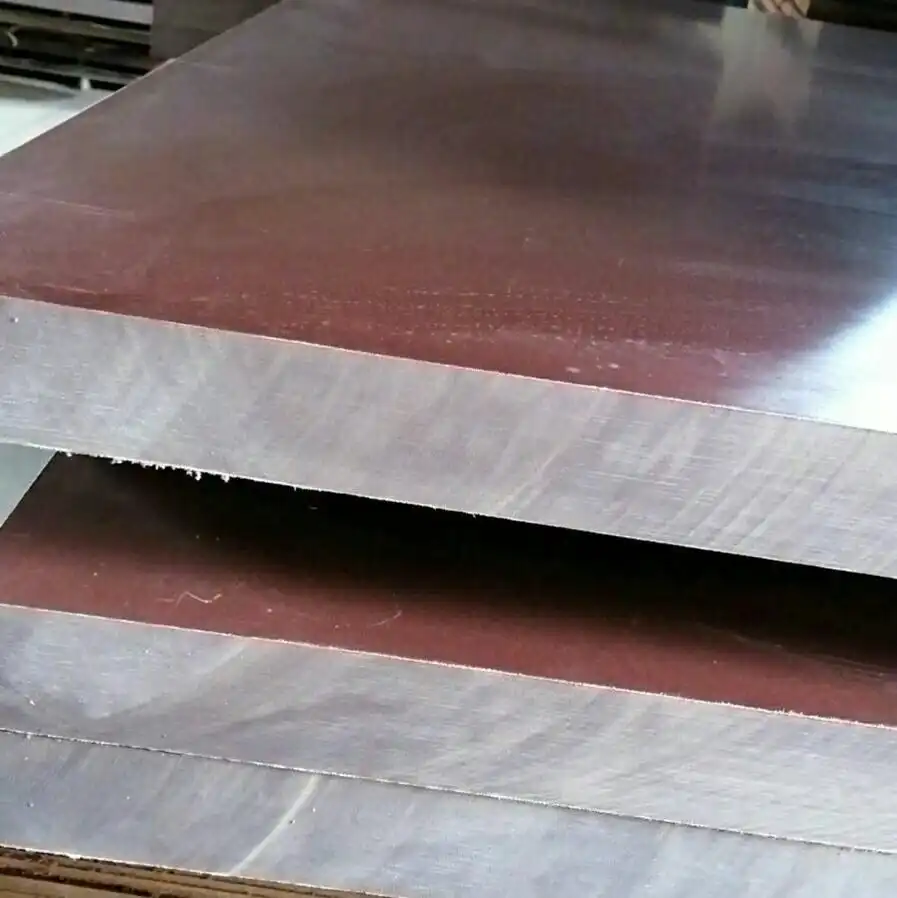
Understanding Phenolic Cotton Sheets and Their Market Demand
Phenolic cotton sheets are an important type of industrial insulation material. They are made by laminating cotton cloth with phenolic resin under controlled heat and pressure. As a result of their high mechanical strength, electrical protection, and chemical resistance, these composite materials are essential to Singapore's industrial sectors. The material's flexibility comes from the fact that it has good performance qualities. It has stable dielectric strength while still being cheaper than more expensive options.
Electrical and electronics companies in Singapore use these shielding sheets a lot for things like transformers, motor parts, and switchboard assemblies. Because the material is so easy to work with, it can be precisely cut and drilled, which is necessary for making custom-fit parts in automated production settings. Industrial machinery builders like phenolic cotton sheets because they don't change size when they're put under mechanical stress. This is especially useful for gears, spacers, and structural insulation parts.
As Singapore's production sector grows, market demand keeps going up. This is because of Industry 4.0 efforts and the need for more technology. The material works well with FR4 epoxy sheet solutions in situations where middling temperature protection is enough, usually when the working temperature is below 115°C. Because of this temperature range, phenolic cotton sheets are perfect for companies that make home appliances and parts for cars that need reliable and inexpensive insulation.
How to Source Quality Phenolic Cotton Sheets from China for Singapore Markets?
To get phenolic cotton sheets from China, you need to follow an organized process that focuses on quality certification and source verification. Before getting in touch with a seller, Singapore buyers need to make sure they have clear specifications, such as measurement tolerances, electrical qualities, and safety certifications. Before buying something, the buying process starts with doing a lot of study on suppliers. This includes looking at their producing skills, quality control systems, and industry certifications.
One good way to find materials is to ask for paperwork of their properties, like dielectric constant values, tensile strength standards, and heat resistance data. Chinese manufacturers usually give out full technical datasheets that let you compare their products directly with other materials, like fiberglass epoxy laminates and polyimide films. As a top priority, buyers should make sure that sellers keep their ISO 9001 license and show that they use consistent quality control methods throughout the whole manufacturing process.
Sample evaluation is a key part of choosing a seller because it lets buyers in Singapore do their own tests and make sure that the material meets the needs of the application. Reliable Chinese providers are happy to give samples along with all the paperwork needed to track them, such as certificates for the raw materials and records of each production batch. This openness lets buyers check the regularity of production and build trust in long-term supply relationships.
Communication quality has a big effect on how well a purchase goes. Well-known Chinese sellers usually have expert teams that speak English and customer service offices that respond quickly. Modern providers use digital tools for contact to give real-time reports on production and transportation tracking information as orders are filled.
Comparing Phenolic Cotton Sheets with Alternative Materials for Optimum Use
To choose the right material, you need to carefully look at its performance, how much it will cost, and what the application needs. When mechanical longevity and cost-effectiveness are more important than high temperature protection, phenolic cotton sheets are the best choice. Compared to other options like FR4 epoxy sheets, phenolic cotton materials usually have better impact strength and are easier to machine, which makes them the best choice for structural and mechanical parts.
The comparison below shows some of the most important factors that go into purchasing decisions:
- Temperature Performance: Phenolic cotton sheets work consistently up to 115°C, while luxury fiberglass epoxy laminates can handle temperatures above 150°C. The choice of material depends on the temperature needs.
- Mechanical Properties: Cotton-based laminates have better bending strength and impact protection than many synthetic options in situations where mechanical stress and shaking are present.
- Characteristics for electricity: Both phenolic cotton and FR4 are great insulating materials, but FR4 works a little better in high-frequency situations.
- Cost Factors: Phenolic cotton sheets are usually 20-30% cheaper than similar FR4 goods. This can save a lot of money in large-scale uses without sacrificing performance standards.
These qualities of the material help Singaporean buyers make the best choices about what to buy, combining performance needs with price limits and needs specific to the purpose. By understanding these trade-offs, you can make smart choices about which materials to use for both short-term project needs and long-term operating efficiency.
Pricing, Order Sizes, and Logistics from China to Singapore
The price of phenolic cotton sheets from Chinese sellers depends on a number of factors, such as the type of material used, the number of sheets ordered, any customization needs, and changes in the market during different times of the year. Singapore buyers usually find tiered pricing systems that reward bigger promises, with big price cuts available for orders that go above and beyond the standard minimum numbers. Knowing how these prices work helps with smart planning for purchases and making the most of your spending.
Minimum Order Quantities vary significantly among Chinese manufacturers, ranging from 100 to 1000 sheets depending on material thickness and customization complexity. Standard sheet sizes, like 1000x2000mm and 1220x2440mm, usually have the best prices because they are the most efficient for manufacturing and making the best use of materials. Getting custom measurements costs more, but it gives you the perfect fit for certain uses.
Decisions about logistics include choosing the right sending way, filling out paperwork for customs, and managing arrival times. For big sales, sea freight is still the cheapest choice. It usually takes 7-14 days to get from major Chinese ports to Singapore. Express air freight meets urgent needs with arrival times of two to three days, but it costs a lot more to ship.
Singapore's efficient customs clearance methods make it easy to bring goods into the country as long as the right paperwork is included. Commercial bills, packing lists, material safety data sheets, and any necessary clearance documents are some of the papers that need to be turned in. Chinese sellers with a lot of experience offer complete paperwork packages that make sure that import rules in Singapore are followed and that clearance times are kept to a minimum.
Building Sustainable Supplier Relationships and Ensuring Quality Compliance
Long-term relationships with suppliers require both sides to be dedicated to high standards, open communication, and efforts to keep getting better. Setting up official seller evaluation procedures, such as regular performance reviews, quality checks, and ways for buyers to work together to solve problems, is good for Singapore buyers. These organized methods help build trust and keep performance standards high over the course of long-term business relationships.
Multiple levels of proof should be part of quality assurance plans. These levels should include inbound checking methods, statistical process tracking, and, if needed, third-party testing services. When Chinese providers show they care about quality, they usually let customers inspect their factories and give them full access to their quality records and testing facilities. This openness lets buyers check that the company can make the goods they want and see if they are still meeting the standards that have been set.
As part of a successful relationship, suppliers work together on product development projects, where they share their scientific knowledge to find the best material specs for each application. A lot of Chinese companies do research and development, which lets them make phenolic cotton blends that are exactly what you need or create mixed materials that have more than one performance trait.
Setting up regular times to talk helps keep working relationships strong and lets people know early on about any problems that might happen in the supply chain or with capacity. Long-term buying security is supported by established sellers who usually do business reviews every three months that cover market trends, new technology, and strategy planning.
Conclusion
Singapore buyers looking for dependable Chinese sellers of phenolic cotton sheets can benefit from organized buying methods that focus on quality checks, building relationships with suppliers, and thorough material evaluations. There are many ways to find cheap materials on the market that still meet the high performance standards needed for electrical insulation and industrial uses. To be successful, you need to find a balance between material requirements, price limits, transportation issues, and building long-term partnerships with suppliers. Singaporean makers can get reliable materials to support their operating success and competitive standing in global markets by using organized sourcing strategies and teaming up with experienced sources like J&Q.
FAQs
When people in Singapore buy phenolic cotton sheets from China, what certifications should they look for?
Some important certificates are ISO 9001 for quality management systems, RoHS compliance for limits on dangerous substances, and UL approval for electrical safety uses. These approvals make sure that the materials meet foreign standards and government rules for use as electrical shielding in Singapore's industry sectors.
In terms of how they work, how do phenolic cotton sheets stack up against FR4 epoxy alternatives?
When compared to normal FR4 materials, phenolic cotton sheets usually have better impact protection and bending strength. This makes them the best choice for mechanical uses. On the other hand, FR4 epoxy sheets work better at high temperatures and keep their shape in harsh conditions, so the right material must be chosen for the job.
What affects the time it takes to get handmade phenolic cotton sheets from China to Singapore?
Lead times vary on the type of material, the number of items ordered, how complicated the customization is, and the supplier's production plans. Standard materials usually ship within 7-14 days, but unique formulas or sizes may take 3-4 weeks, which includes time for making and coordinating supplies.
Partner with J&Q for Premium Phenolic Cotton Sheet Solutions
Singaporeans trust J&Q to provide them with high-quality phenolic cotton sheets and a wide range of insulation material options. They have been making these products well for over twenty years and have a lot of specialized knowledge. Our dedication to quality includes thorough testing of materials, the use of cutting-edge production technologies, and service delivery that is focused on the customer, making sure that they are completely satisfied with every purchase they make. Singapore buyers can choose from a wide range of products, such as phenolic cotton sheets, alternatives to FR4 epoxy sheets, and special bonded materials made for tough industrial uses.
As part of our production services, we offer accurate cutting, custom thickness specs, and fast development, which lets you quickly see if a material is right for a job. We know what the electrical, electronics, and industrial machinery sectors in Singapore need because we've been dealing internationally for more than ten years. Our dedicated transportation company offers smooth one-stop service from placing the order to delivering it, which makes planning easier and guarantees that the supply chain works well.
We are committed to meeting foreign standards and regulations, as shown by our quality certifications such as ISO 9001, RoHS compliance, and UL recognition. As part of technical support services, you can get help choosing the right materials, help with application engineering, and continued performance tracking to make sure that your processes use materials in the best way possible. Whether you need normal phenolic cotton sheets maker services, our team can make products that are exactly what you need.
Find out what a difference skilled knowledge and committed service can make in your success when buying materials. Email us at info@jhd-material.com to talk about your unique needs and find out how our wide range of services can help you reach your business excellence goals.
References
Singapore Manufacturing Federation. "Industrial Materials Sourcing Guidelines for Electrical Insulation Applications." SMF Technical Publication Series, 2023.
Chen, Wei-Ming. "Phenolic Resin Composites in Electrical Engineering: Properties and Applications." Journal of Industrial Materials Science, Vol. 45, 2023.
ASEAN Trade Statistics Bureau. "Singapore-China Industrial Materials Trade Analysis: Electrical Components and Insulation Materials." Regional Trade Report, 2023.
International Electrical Commission. "Standards for Phenolic Cotton Laminates in Electrical Equipment." IEC Technical Specification 61212-3, 2023.
Liu, Jessica and Kumar, Raj. "Supply Chain Optimization for Electrical Insulation Materials in Southeast Asia." Asian Manufacturing Review, Issue 8, 2023.
Singapore Standards Council. "Quality Assurance Protocols for Imported Industrial Materials: Best Practices Guide." SSC Publication 2023-15.