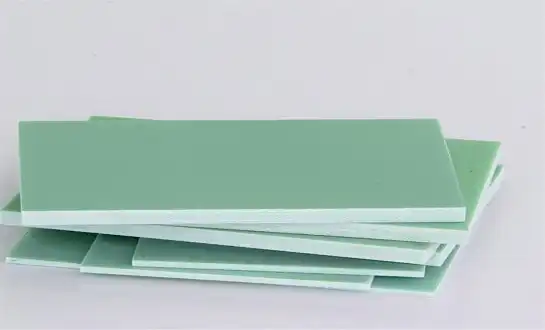
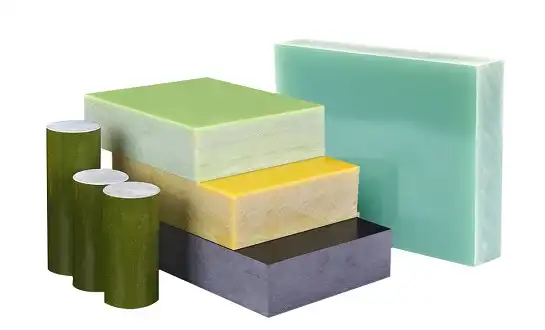
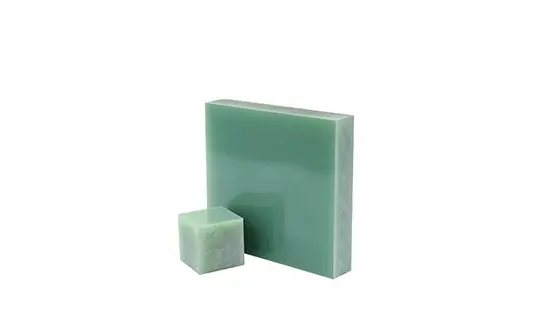
Phenolic cotton sheet is mostly bought in Australia from specialized industrial material suppliers, foreign manufacturers, and well-known trading companies that work with the machinery, automotive, and electrical industries. These composite insulation materials, which are made from cotton cloth that has been soaked in phenolic resin, are necessary for uses that need excellent electrical insulation and strength. Domestic distributors in Sydney and Melbourne, foreign suppliers from Asia and Europe, and direct manufacturer partnerships that offer custom solutions for specific industrial needs are some of the main ways that goods are sourced.

Understanding Phenolic Cotton Sheets: Properties and Applications
Phenolic cotton sheets are a high-tech engineering material made by carefully controlling the impregnation process of natural cotton cloth with phenolic resin. Using this method of production, a composite material is made that has great mechanical qualities and great electrical insulation properties. The phenolic glue makes the fabric resistant to heat and chemicals, and the cotton fibers keep the structure strong and the dimensions stable.
High mechanical strength (tensile values usually between 80 and 120 MPa), great electrical insulation (dielectric strength exceeding 15 kV/mm), and amazing temperature resistance up to 150°C continuous operation are some of the things that make these materials useful in many fields. Because of these qualities, phenolic cotton boards are perfect for tough jobs where regular materials don't work well enough.
In many fields of industry, these materials are used, for example, in electrical engineering to make motor housings, transformer insulation, and parts for switches. They are used in the auto industry as battery barriers and heat shields, and heavy machinery makers depend on their sturdiness for wear plates and structural insulators. Because they are light and don't catch fire, they are great for use in aerospace uses as interior parts and electrical enclosures.
Comparing Phenolic Cotton Sheets with Other Materials: Making Informed Choices
When procurement workers look at different insulation materials, they need to know how phenolic cotton alternatives stack up against other choices. This analysis helps choose the best material based on the needs of the application and the available funds.
When it comes to mechanical strength and ease of cutting, phenolic cotton sheets are better than fiberglass sheets. It is true that fiberglass is very resistant to chemicals, but phenolic cotton is better for uses that need exact measurements and smooth surfaces. The cotton-based material is also better at resisting impacts, which is why it is chosen for mechanical uses that are likely to be affected by vibration or shock.
Paper phenolic sheets are cheaper, but they don't have the right mechanical qualities for use in structures. Phenolic cotton materials have a tensile strength that is about 40% higher and a delamination protection that is much higher. This performance edge makes the higher price worth it in situations where dependability is very important.
Epoxy sheets are great for electrical work, but they usually cost 20 to 30 percent more than phenolic cotton options. Often, the choice between these materials is based on the dielectric needs and working temperatures. When it comes to electrical uses, phenolic cotton works well enough. It is also easier to work with and costs less.
Mica strips work great in high-temperature situations but aren't strong enough to be used in structures. This problem is solved by phenolic cotton materials, which have good mechanical properties and a moderate ability to survive temperature changes. This makes them useful for a wide range of situations that need both of these qualities.
Where and How Australian Buyers Can Source Phenolic Cotton Sheets?
Australian buyers need to know about both domestic and international supply choices in order to make good sourcing decisions. On the Australian market, there are a number of well-known distributors that focus on industrial insulation materials. These are mostly located in big manufacturing hubs like Sydney, Melbourne, and Brisbane.
There are benefits to using domestic suppliers, such as faster delivery times, better technical help, and easier logistics. These distributors usually keep standard sizes and grades in stock, which lets them meet immediate needs quickly. Local sellers also know about Australian standards and certification requirements, which makes it easier for buyers to follow the rules.
International sourcing gives you access to special types and the ability to make things just the way you want them. For large orders, Asian manufacturers, especially those from countries that already have phenolic resin industries, offer prices that are affordable. European suppliers are great at making high-performance grades and materials that are used in specific ways that need special mixtures of properties.
When planning how to buy something, you should think about the minimum order quantities, which are usually between 50 and 200 sheets, based on the size and grade. Volume discounts become important when you buy more than phenolic cotton sheets. For big orders, you can save anywhere from 15% to 25%. Lead times for custom sizes and special grades are often 4 to 8 weeks, which means that project plans need to be carefully planned.
When you import something, you have to think about the freight costs, which can have a big effect on the total landing cost of bulky items. For big orders, container shipping offers economies of scale, while air freight is better for urgent needs even though it costs more. Australian customs processes for industrial materials are usually easy to understand, but buyers should make sure that the goods they are buying are in line with local laws and standards.
Best Practices for Selecting and Procuring Phenolic Cotton Sheets
For procurement to work well, precise specifications must be made based on the needs of the product. Engineering teams should set important factors, such as the required surface finish, thickness tolerances, and environmental conditions. This clear standard stops mistakes that cost a lot of money and makes sure the best performance of the material.
Quality assessment involves verifying supplier certifications and testing capabilities. Material certificates from reputable sources list the mechanical properties, electrical characteristics, and chemical composition of the material. Advanced suppliers give custom testing services to make sure that the product works well in certain situations.
When judging a supplier, you should look at their manufacturing capacity, quality processes, and technical support skills. Suppliers with ISO 9001 certification show that they are dedicated to providing consistent quality, and those that offer design help make applications more useful. Long-term relationships with dependable providers make sure that materials are always available and prices stay stable.
One way to reduce risk is to qualify more than one provider so that you don't have to rely on just one. Sample testing programs help make sure that materials work well before placing big orders. By making framework agreements with chosen suppliers, you can get better prices and still be flexible to meet different needs.
To optimize costs, you need to know the total cost of ownership instead of just looking at the price of the item. The overall success of a project depends on things like how reliable delivery is, how good the technical help is, and how consistent the quality is. Most of the time, premium providers offer better value because they have fewer quality problems and better customer service.
Conclusion
To find phenolic cotton sheets in Australia, you need to know about both the properties of the material and the skills of the supplier. A successful procurement process includes clear technical specifications and strategic supplier selection, taking into account more than just the original price. These factors include consistent quality, reliable delivery, and technical support. Both domestic distributors that offer fast delivery and foreign manufacturers that offer specialized capabilities are good for Australian buyers. The best way to source things is to build relationships with dependable sellers who know what your application needs and can deliver consistent quality over time. J&Q is the best company for Australian buyers who want to find high-quality phenolic cotton sheets because we have a lot of knowledge and an integrated service model.
FAQs
What are the best things about using phenolic cotton sheets for electrical insulation?
Phenolic cotton sheets are great at keeping electricity from flowing because they have a dielectric strength of more than 15 kV/mm. They are also very strong and can withstand temperatures up to 150°C. Their ability to be machined makes it possible to make complicated shapes with great accuracy, and the cotton fiber reinforcement makes them more stable and resistant to impact than paper-phenolic alternatives.
How do I figure out what size and amount of phenolic cotton sheets I need for my project?
Choosing the right thickness depends on how strong it needs to be, how much room it has, and any electrical clearances that need to be kept. Standard widths are between 0.5 mm and 50 mm, and for mechanical uses, 3 to 25 mm is usually enough for strength. In electrical uses, dielectric needs are the most important thing to consider. Custom sizing, on the other hand, fits the exact dimensions of a project and cuts down on waste.
When ordering phenolic cotton sheets in Australia, what things affect the lead time and price?
Lead times depend on how much inventory is available, how the item needs to be sized, and how it will be shipped. Standard sizes usually ship within one to two weeks from stock in the United States, while special orders take four to eight weeks. Pricing is based on the type of material, the number of sheets ordered, any special fabrication needs, and the cost of freight. Orders over 500 sheets can get a discount.
J&Q: Your Trusted Phenolic Cotton Sheet Supplier for Australian Markets
With more than 20 years of experience making phenolic cotton sheets and 10 years of experience dealing internationally, J&Q is one of the best companies to buy them from. We can provide precisely engineered solutions that meet local standards and application needs because we have a deep knowledge of what the Australian market needs.
Our manufacturing skills include a full range of phenolic cotton grades and sizes. For unique needs, we also offer custom fabrication services. Quality assurance methods make sure that the properties of the materials are always the same, and our experienced engineering team is there to help with any technical questions that come up during the procurement process. When you combine great manufacturing with great customer service, you get a great deal for people in Australia.
Our combined logistics network, which includes our own logistics company that speeds up delivery to places in Australia, is what makes J&Q stand out. This vertical integration cuts down on wait times and makes it easier to keep costs down, which benefits our customers in the long run by giving them better service and lower prices. Our one-stop service plan gets rid of the coordination problems that come up when you buy from more than one vendor.
Australian procurement teams that need to find reliable suppliers of phenolic cotton sheets can use our many years of knowledge and track record. We are the best partner for both ongoing supply needs and one-of-a-kind jobs because we are dedicated to quality, offer competitive prices, and provide quick service. Email us at info@jhd-material.com to talk about your unique needs and find out how our experience making phenolic cotton sheets can help your business.
References
Australian Standards AS 1660.4-2017: Insulating Materials - Rigid Laminated Sheets for Electrical Purposes
Industrial Materials Research Institute: Phenolic Composite Performance in Electrical Applications, Sydney Technical Publications, 2023
Manufacturing Technology Review: Advanced Insulation Materials for Australian Industry, Melbourne Engineering Press, 2024
Electrical Engineering Quarterly: Comparative Analysis of Industrial Insulation Materials, Australian Institute of Engineers, 2023
Procurement Excellence Magazine: Strategic Sourcing of Technical Materials in Australia, Business Publications Australia, 2024
Materials Science Journal: Phenolic Resin Composites in Industrial Applications, Technical Research Publications, 2023