What is G10 Made Of and the Manufacturing Process?
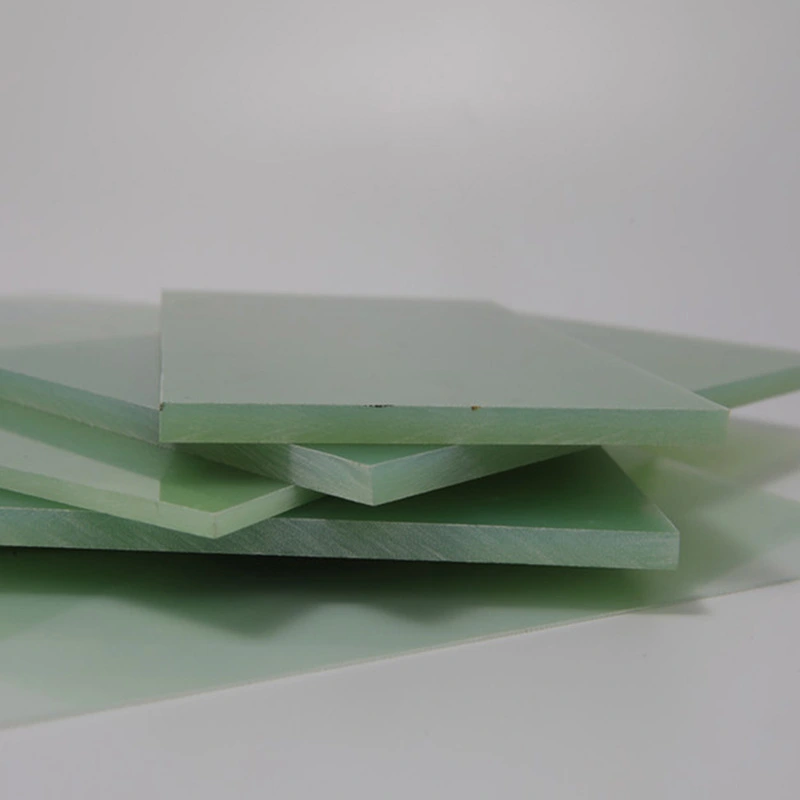
G10 sheet is an industrial laminate made of multiple layers of woven fiberglass cloth that has been soaked with epoxy glue. The layers are then pressed together under extreme heat and pressure to make a very strong composite material. This engineered laminate combines the strength of continuous filament glass fabric with the chemical resistance and electrical insulation properties of epoxy polymer. The result is a material that is very useful in the industrial, electrical, and precision manufacturing sectors. Procurement experts can choose the right grades and find good sources if they know what the product is made of and how it is made.
What is G10? Composition and Material Properties
G10 sheet is a type of glass-epoxy laminates that are outlined by NEMA (National Electrical Manufacturers Association) guidelines. They were made to fix the problems with older phenolic and paper-based insulation materials. The basic structure is made up of knitted fiberglass cloth, usually E-glass, which is valuable for its dielectric properties and tensile strength. Epoxy resin systems are fully mixed into the fiberglass cloth. In contrast to its closely related cousin FR4, which contains brominated flame retardants, normal G10 sheet only focuses on mechanical strength and electrical performance, without any extra fire-suppressing ingredients. However, many current suppliers offer materials that are dual-rated.
Core Material Components
The structure backbone is made of fiberglass cloth, which has an amazing tensile strength that, when weight is taken into account, is higher than 6061 aluminum alloy. This woven glass reinforcement is made up of silica-based fibers that are grouped in balanced weave designs. This makes sure that the dimensions stay the same in all directions. In the meantime, the epoxy resin matrix holds these threads together to form a solid that doesn't easily break apart. It also makes the material resistant to chemicals, keeps water out, and has great adhesion qualities. The balance between flexibility and rigidity of the finished material is directly affected by the resin-to-glass ratio, which is usually adjusted during production.
Intrinsic Performance Characteristics
G10 sheet doesn't absorb much water—often less than 0.1%—even after being buried for a long time. This means that it keeps its dielectric strength and shape accuracy in wet or muggy places. In seaside substations or marine settings, this feature fixes problems that power transfer equipment has been having for a long time. The material keeps its high volume resistivity and surface resistance, so even when it's under a lot of voltage stress, electricity doesn't leak through shielding walls. Its low coefficient of thermal expansion makes sure that accurate parts keep their tolerances even when the temperature changes, which is very important for aircraft jigs and measurement fixtures.
Temperature stability is good over a wide range, with continued operation possible around 130°C. However, as temperatures rise, mechanical qualities slowly decrease. G10 sheet is a thermoset material, not a thermoplastic one. It doesn't melt or soften when heated again, so it stays structurally sound during soldering or in places where heat spikes happen on and off. Because it doesn't react with oils, solvents, or most acids, it can be used in industrial areas where harsh chemicals are common.
The G10 Manufacturing Process Explained
When you understand the steps involved in making something, you can see how process control affects the performance of the item directly. This knowledge also helps buying teams ask better questions when evaluating suppliers. The first step in making something is carefully choosing the raw materials. The end properties are based on the specs for the fiberglass cloth and the chemistry of the epoxy formulation.
Raw Material Preparation and Resin Impregnation
Premium fiberglass cloth arrives in rolls that have already been checked to make sure the weave is even and there are no flaws. These fabrics go through resin impregnation systems where every fiber is saturated with liquid epoxy resin. This is usually a two-part system that is mixed right before it is used. Impregnation happens in controlled settings that keep the resin's thickness just right, which makes sure that it goes all the way through without pooling. The saturation level, which is shown by the amount of resin in the material, needs to be very precise. If there is too little resin, it leaves behind dry spots that make electrical shielding less effective, and if there is too much resin, it weakens the material and makes it more brittle.
Layering and Pre-Curing
To get the right thickness, layers of impregnated cloth, which are sometimes called prepregs when they are partly dried and ready to be handled, are stacked in a certain order. Most of the time, manufacturers switch up the fiber directions a little to keep the directional properties balanced. However, most G10 sheet is made with a balanced plain weave, which gives it similar properties. The finished sheet width is based on the number of layers, and industrial grades range from a few hundredths of a millimeter to several centimeters. While the layers are being stacked, experts check each one for dirt, wrinkles, or uneven resin that could make the finished laminate weak.
High-Pressure Curing and Consolidation
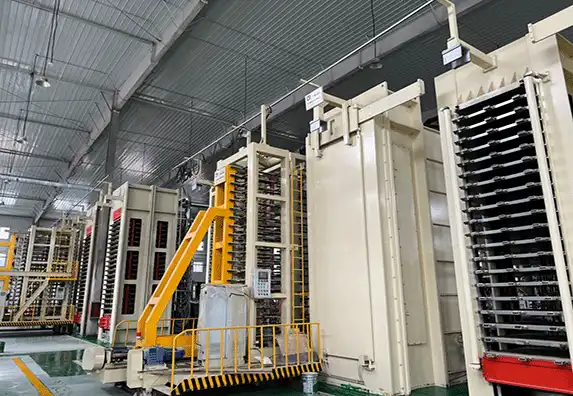
Stacks of parts are put into hydraulic presses, which use heat and pressure at the same time to cure the epoxy and make the layers solidify into a solid with no holes. Temperatures are usually between 150°C and 180°C, and pressures are kept above 1000 psi for hours to make sure the polymerization process is complete. During this curing cycle, the liquid resin hardens into a three-dimensional polymer network. This network forever joins the glass threads together to form a single composite structure. Precise temperature ramping stops thermal shock and manages exothermic reaction heat, which can damage the inside of a system if it's not handled properly.
Post-Processing and Quality Verification
After being cooled in a controlled environment to keep them from twisting, raw laminate sheets go through steps to finish the surface. When you sand or grind something, you get rid of any resin flash and make the surface rough enough, which is important for the next steps of adhesive bonding or covering. Diamond-tipped saws are used to cut sheets to standard sizes because the rough glass content quickly dulls regular steel blades. Dimensional inspection checks the width margins, which are usually kept to within 0.1 mm for precision grades.
One type of quality testing is dielectric breakdown voltage testing, in which samples are put under growing electrical potential until they break. This shows that the insulation is still intact. Flexural strength tests check how much weight the material can hold, and water absorption tests make sure the glue is completely saturated. Material certifications from reputable makers show these test results and allow you to track back to specific production runs. This paperwork is necessary for fields that need to keep records for safety, like aerospace or medical device making.
Benefits and Advantages of G10 Sheets for Industrial Applications
Because it has so many different properties, G10 sheet can be used in situations where materials with just one feature won't work. Its value goes beyond just the specs of the material; it also includes things like dependability, durability, and handling flexibility.
Superior Mechanical and Electrical Performance
The ability to insulate against electricity is one of the main benefits, and the dielectric strength is higher than that of many competing materials. This lets thinner insulation walls be used in designs with limited room, like small switchgear boxes or circuit board fixings with a lot of parts. The material doesn't allow arc tracking, which is when conductive carbon lines form after an electrical discharge. This makes it last longer in high-voltage areas where arcing can happen sometimes. G10 sheet parts are mechanically rigid, so they can be used for both structure and insulation. This means that transformer systems and motor housings don't need separate support frames.
Environmental Resistance and Longevity
Moisture impermeability makes sure that power transfer equipment works the same way even when the humidity changes, which is very important for equipment that is used outside or in uncontrolled settings. Chemical resistance keeps things from breaking down when they come in contact with lubricants, hydraulic fluids, and cleaning agents that are common in industrial gear. G10 sheet doesn't corrode like metals do, so it doesn't need to be maintained as often to keep it from rusting. The total cost of ownership is lower because parts rarely need to be replaced unless they are broken mechanically or become outdated in design.
Machining Versatility and Customization
Although G10 sheet is very hard, it can be precisely machined using CNC milling, drilling, and turning tools if the right ones are used. The abrasive glass content is controlled by tools covered in carbide or diamond, which lets tight limits for complex shapes be reached. This ability to be machined makes fast prototyping and custom component production possible, which is helpful for OEM manufacturers who need unique insulation forms or mounting brackets. Threading processes make mechanical connections that are safe, and the dimensional stability of the material makes sure that threaded holes stay intact even after many assembly cycles.
The material can have different surface treatments, such as texturing for better grip, which is important for combat tool handles, or smooth polishing for parts that can be used in a laboratory. Assemblies with different insulation grades can be easily identified by their colors, which can be changed using colored resin systems or stacked cloth in different colors. These benefits meet the needs of a wide range of industries, including those that make electrical equipment that needs reliable insulation, machinery builders that need solid parts, and precision industries that need stable dimensions.
How to Choose the Right G10 Manufacturer and Supplier?
To choose the right provider, you need to look at more than just price quotes. This is because differences in material quality have a direct effect on the trustworthiness and compliance of the final product.
Certifications and Industry Standards Compliance
Reliable providers keep documents that show they follow NEMA standards for the performance and composition of materials. When a product is recognized by UL, it means that it has been tested by a third party for electrical safety, which is necessary for many uses of electrical equipment. RoHS compliance proves the lack of restricted substances, which is becoming more and more important as environmental laws around the world get stricter. ISO quality management standards suggest strong process controls and tracking systems that lower the risk of differences between batches.
Manufacturing Capabilities and Technical Support
Order completion dependability is affected by how much a supplier can make, especially for big projects or tight delivery dates. Vertical integration means that suppliers are in charge of making the resin, getting the cloth, and the lamination process. This usually leads to better quality stability than when companies put together parts that were bought separately. Having access to technical support helps buying teams choose the right grades for new uses by using suppliers' knowledge of material choice and handling conditions.
Customization options add value to normal sheet stock that it doesn't have. Some providers offer precision cutting services, which means that parts are delivered ready to be put together, so you don't have to do any specialized work in-house. Others give testing data for materials that are specific to what the customer wants, which helps with engineering approval processes. These services are especially helpful for companies that make parts for cars and appliances that have to manage complicated bills of materials or coordinate different material standards across different product lines.
Comparative Material Analysis
Figuring out how G10 sheet compares to other materials helps you choose the right application. FR4, which is flame-retardant, has the same mechanical qualities as G10 sheet but is also resistant to fire, which is important for electrical systems in buildings and consumer goods. Because they are less expensive, phenolic laminates are good for less demanding uses because they don't fight water as well and aren't as strong mechanically. Pure ceramic insulators can handle higher temperatures than G10 sheet, but they are harder to machine and can become brittle. This comparison helps buying managers find a balance between the need for success and the need to stay within budget.
Pricing systems are very different depending on the grade of the material, its width, and the size of the order. When you buy in bulk, you can usually get discounts, but you have to weigh the saves on each item against the costs of keeping the stockpile. Long-term supply deals often get better prices and make sure that materials are available when the market is short. After working in the industry for 20 years, we've seen that clear conversations about prices early on in a supplier relationship help avoid mistakes during the scaling parts of a project.
Conclusion
G10 sheet has a great mix of electrical protection, mechanical strength, and resistance to the environment. It meets important needs in the electrical equipment, industrial machinery, and precision manufacturing industries. It is made of woven fiberglass cloth that has been fully saturated with epoxy glue and then pressed together under high pressure. This makes a material that can withstand harsh working conditions while still keeping its shape and dielectric integrity. Even though the production process is complicated, it always gives the same results when it is done correctly and the quality is checked. To be successful at procurement, you need to choose suppliers who have the right certifications, technical skills, and attention to high standards, as well as who know how to handle and use the material correctly.
FAQ
What distinguishes G10 from FR4 material?
While standard G10 sheet doesn't have the brominated flame retardants that FR4 does, many companies do make goods that are dual-rated and meet both standards. FR4 is needed for consumer devices and building codes because it can put out fires on its own, while pure G10 sheet is more focused on its mechanical properties and doesn't have any flame-retardant chemicals.
Can G10 sheet be used in food processing equipment?
The material is basically good because it doesn't let chemicals or water through, but for food-contact uses, it needs to be made with a special resin formulation that meets FDA rules. When buying G10 sheet for areas that come into direct contact with food or places that need to meet NSF standards, procurement teams should ask for food-grade licenses.
What thickness tolerances should be expected?
Precision grades of G10 sheet can keep their thickness within ±0.1mm or better, while industrial grades usually keep their thickness within ±10% of their standard measurement. Tighter specs make materials more expensive, so tolerance requirements should match what the application needs. Precision grades are often needed for important electrical insulation uses, but normal tolerances may be fine for structural parts.
How does temperature affect material properties?
G10 sheet's mechanical and electrical properties stay stable up to a constant working temperature of about 130°C. After this point, the material's bending strength slowly reduces, but it still works. When welding, short-term exposure to higher temperatures usually doesn't damage things permanently if it's handled properly.
Partner with J&Q: Your Trusted G10 Sheet Manufacturer
Good buying choices start with sellers who have been in business for a while and know both the science behind the materials and what the customer needs for the application. With more than 20 years of experience making insulation materials and 10 years of experience trading internationally, J&Q is the best company to work with when you need to find G10 sheet. Our vertically integrated operations keep strict quality controls in place throughout production, and our long-term partnerships with global trade partners make sure that the supply chain works reliably.
We help engineering teams choose the right grades of materials for electrical, mechanical, or environmental needs by giving them full expert support during the decision process. Custom cutting services give parts that are ready to be put together, which cuts down on the time and money you spend on processing and speeds up the timeline for your project. Our in-house logistics skills allow for seamless one-stop service from placing an order to final delivery, which eliminates the need to coordinate with multiple providers.
Our approved G10 sheet materials meet strict UL and RoHS standards and are priced competitively for large orders. They can be used for high-voltage switchgear insulation, precise mechanical parts, or harsh weather conditions. You can email our technical team at info@jhd-material.com to talk about the details of your project, ask for examples of materials, or get full quotes. We're excited to help you succeed in your purchase with reliable products and quick service.
References
National Electrical Manufacturers Association (NEMA). "Industrial Laminating Thermosetting Products: NEMA Standards Publication LI 1-1998." National Electrical Manufacturers Association, 1998.
Peters, S.T. "Handbook of Composites, Second Edition." Chapman & Hall, London, 1998.
Lubin, George. "Handbook of Fiberglass and Advanced Plastics Composites." Van Nostrand Reinhold Company, New York, 1969.
Harper, Charles A. "Handbook of Plastics, Elastomers, and Composites, Fourth Edition." McGraw-Hill Professional, 2002.
Mazumdar, Sanjay K. "Composites Manufacturing: Materials, Product, and Process Engineering." CRC Press, Boca Raton, 2002.
IPC Association Connecting Electronics Industries. "Base Materials for Rigid and Multilayer Printed Boards: IPC-4101 Specification." IPC, Bannockburn, Illinois, 2006.

Get a complete product list and quotation

J&Q New Composite Materials Company



