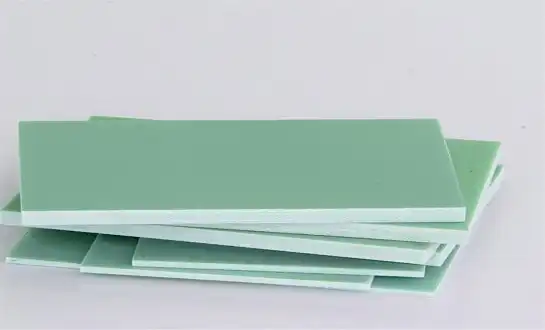
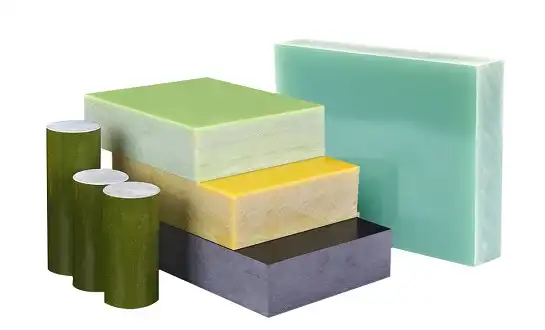
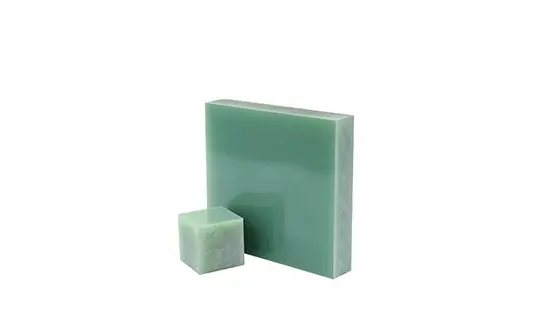
What are the Properties of Bakelite Sheets Used for CNC Punching Machines?
Bakelite sheet is a thermosetting phenolic resin material that has been used for a long time and is highly valued in CNC cutting uses for its excellent stability in shape, resistance to heat, and ability to keep electricity from flowing. The phenol-formaldehyde combination is very hard and easy to machine, which lets precise manufacturing of insulating pads, guide plates, and structural parts happen. Understanding these basic qualities helps engineering teams choose materials for high-stress industrial settings in a way that balances performance dependability with cost-effectiveness in a variety of manufacturing settings.
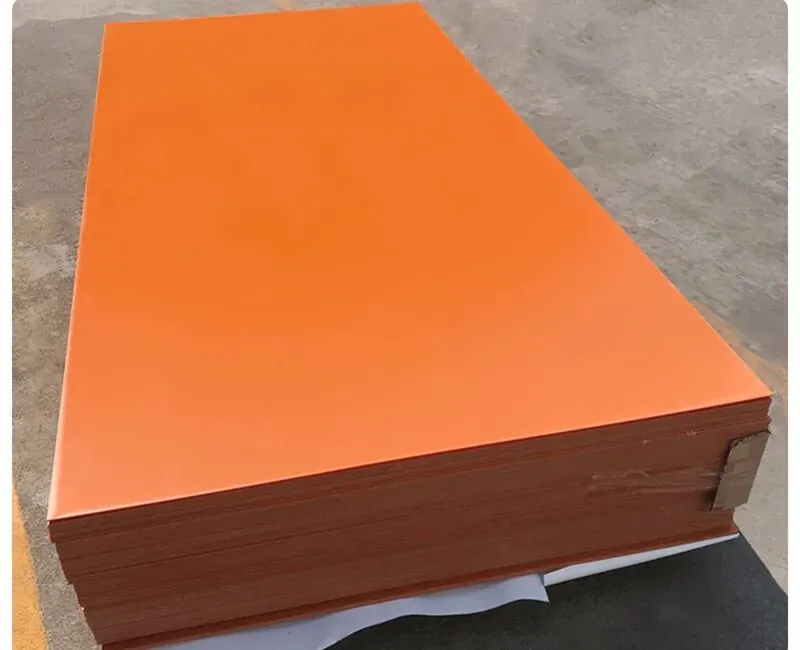
General Overview of Bakelite Sheets in CNC Punching Machines
The Material Composition and Historical Significance
Leo Baekeland created this groundbreaking synthetic plastic in 1907. It changed the way things were made in factories by making thermosetting materials that could actually be shaped. When phenol and formaldehyde combine, they form a cross-linked polymer structure that can't be melted back together. This is what makes it different from thermoplastic options. This process of fixing that can't be undone creates materials with amazing mechanical strength and heat stability, which are still useful in today's world of advanced manufacturing.
To make industrial laminates, phenolic resin is mixed with layers of cellulose paper or fabric cloth and then the stack is heated and pressed in a controlled way. This polymerization turns several layers into a single, dense hybrid sheet that has the same qualities all the way through. Manufacturers can change the formulas and reinforcement materials using this method to make unique grades that meet specific electrical, mechanical, or thermal needs.
Applications in Modern CNC Environments
For CNC cutting jobs, you need materials that can handle repeated mechanical stress, keep tight standards, and not wear down from high-speed machining that goes on all the time. Phenolic laminates are used in industrial machines as electrical spacers, wear plates, insulation bushings, and die parts instead of metal ones because metal ones might not conduct electricity well or be too heavy. These sheets are used as spark barriers and coil insulation in power distribution equipment. They are also used by automakers to make battery pack separators and heat-resistant fittings.
The material's lasting usefulness comes from the fact that it is both cheap and effective. Modern industrial plastics have their benefits in some situations, but phenolic paper laminates are still a good, low-cost option for tasks that need reasonable thermal resistance (up to 300°F or 149°C), good dielectric strength, and strong mechanical qualities. Manufacturing plants from North America to Asia keep this material in their production specs because it always works well in tried-and-true situations.
Why CNC Machinability Matters to Procurement Teams
When engineering managers look at materials for CNC creation, they need to think about how the features of the sheets affect how quickly they can be made. When standard carbide tools are used to cut phenolic laminates, they leave behind few burrs and keep their edges straight during cutting, drilling, and routing. This consistent behavior lowers tool wear, cuts down on secondary finishing steps, and supports tight batch-to-batch consistency. All of these things have a direct effect on production costs and delivery plans.
Core Properties of Bakelite Sheets Relevant to CNC Punching
Mechanical Strength and Dimensional Stability
When phenolic resin cures, its cross-linked molecular structure makes it very hard and strong against compression. This means that parts can handle heavy loads without permanently deforming. Tensile strength is usually between 40 and 60 MPa, and bending strength is usually more than 80 MPa. This means that Bakelite sheets can be used for high-stress structural insulation uses. This mechanical stability stays the same even when temperatures change, which is common in industrial settings. This keeps the part from twisting or losing its shape over time.
Stability in dimensions is especially useful in CNC precise work where tight limits require consistency. Phenolic paper composites have low coefficients of thermal expansion compared to many thermoplastics. This means that cut parts will keep their exact sizes even when they are subject to changes in temperature during manufacturing or in the end-use environment. This security lowers the number of rejections and helps make sure that electrical and mechanical systems can be put together correctly.
Thermal Resistance and Heat Dissipation
Phenolic laminates can work at temperatures up to 149°C (300°F), which means they can be used in places where they will be moderately heated, like motor parts, switchgear housings, and thermal gaps. The thermoset nature of the material keeps it from getting soft when heated, unlike thermoplastic options that could break at high temperatures. During high-speed CNC punching operations, tool friction heat that builds up locally disappears without affecting the features of the material or the accuracy of the machining.
Measurements of heat displacement temperatures show that the structure stays strong well past the normal working ranges for industrial systems. This thermal resilience lets parts work safely next to things that make heat, like transformers, motors, and power systems. For long periods of time, the material will keep its insulating barrier function and mechanical support role because it won't melt or flow under heat stress.
Electrical Insulation Capabilities
Phenolic laminates are one of the best electrical insulators because they have a dielectric strength of more than 12 kV/mm. This high voltage breakdown resistance enables thin sections to provide robust electrical isolation in compact assemblies, supporting miniaturization trends in modern electrical equipment. Because these sheets don't absorb much water (usually less than 1% by weight), they keep their insulation properties even in damp places where other materials would break down.
Volume resistivity tests show that the material has a high resistance to current leaks. This keeps sensitive circuits safe and stops electrical failures in high-voltage systems. Electrical engineers choose these materials for busbar supports, fuse blocks, commutator insulation, and circuit breaker parts because they don't change in shielding qualities over a wide range of temperatures and don't break down when exposed to constant electrical stress.
Chemical Resistance and Environmental Durability
The chemistry of phenolic resins makes them naturally resistant to oils, lubricants, weak acids, and many common industrial solvents, which are all things that are often found in factory settings. When parts come into touch with hydraulic fluids, cutting oils, or cleaning agents during CNC operations or afterward, this chemical stability keeps them from growing, softening, or losing their surface. Unlike metals that rust or some plastics that break down, these laminates keep their structure and surface finish even when they are exposed to harsh chemicals.
Another important feature for electrical uses is arc resistance, which means that the material doesn't track or turn carbon when it's exposed to electrical sparks. This feature makes switches and power distribution equipment safer, since arc flashes could otherwise form conductive carbon paths that would cause catastrophic failures. The material's ability to put out fires on its own makes electrical covers even safer.
Comparison of Bakelite Sheets with Alternative Materials for CNC Punching Machines
Epoxy Glass Laminates (FR4) versus Phenolic Paper Composites
When compared to paper-based phenolic sheets, Bakelite sheet strengthened with woven glass cloth are stronger mechanically and can handle higher temperatures better. Most FR4 types can handle constant temperatures of up to 130°C to 180°C, and their best thermal performance is better than that of phenolics. Epoxy composites are better for high-reliability electronics and demanding mechanical uses because the glass support makes the composites more stable in size and less likely to absorb water.
But this efficiency edge costs more than it's worth. Phenolic paper laminates are often 30% to 50% less expensive than FR4 sheets of the same thickness. This makes them a good choice for cost-conscious uses where modest thermal and mechanical qualities are enough. The way CNC machines work is also different. For example, cutting glass-reinforced materials takes longer and wears out tools faster, which could make production costs go up. When procurement teams have to balance performance needs with price limits, they often find that phenolic sheets offer the best value for uses that fall within their capabilities.
Modern Engineering Plastics: Melamine and Polyester Resins
Melamine formaldehyde resins are better at making surfaces hard and stain-resistant than traditional phenolic compositions. This means they can be used for artistic laminates and other tasks that need surfaces that look good. But their mechanical strength and heat protection are usually not as good as phenolics', which means they can't be used in harsh industrial settings. Polyester resin composites are very good at resisting chemicals and rust, which is especially helpful in places where corrosion is common. However, their thermal and electrical insulation qualities may not be as good as phenolic standards.
The final decision about which material to use rests on the needs of the product. When flame protection, electrical insulation, and a modest temperature range are important, phenolic laminates are still good options. Applications that need excellent chemical protection or a better surface finish might be able to justify using different materials, even if they cost more. When sourcing experts understand these trade-offs, they can choose the best materials for each manufacturing situation.
Procurement Considerations for Bakelite Sheets Used in CNC Punching
Specifications That Impact Machining Quality
Precision in CNC cutting and assembly fit are directly affected by thickness limits. For normal sizes, industrial-grade Bakelite sheets usually keep thickness differences within ±0.2mm, but some providers may be able to offer tighter limits. The quality of the surface finish affects how the machine works. Smoother surfaces make it easier for the tool to cut and leave clean lines, while rougher finishes may need extra steps of processing. To make sure that production results are always the same, procurement specs should make it clear what kinds of surface characteristics are accepted.
Choice of grade is also important because differences in structure affect cost, machinability, and mechanical qualities. Paper-based phenolic grades work great for electrical insulation and mechanical parts in general, while fabric-reinforced forms (made of cotton or linen cloth) are better for heavy-duty uses because they are more resistant to pressure and have higher mechanical strength. Understanding the differences between grades helps buying teams fit the capabilities of materials to the needs of applications without defining and paying too much for performance margins that aren't needed.
Certification and Standards Compliance
For electrical uses, North American makers usually need materials that are recognized by UL. This makes sure that the materials have regular dielectric qualities and flame protection. MIL-I-24768 standards set strict performance requirements for insulation materials in important systems and govern military and aerospace uses. RoHS compliance is becoming more important for electronics companies, especially those that sell their products in Europe, as they need to prove that their materials don't contain any banned hazardous chemicals.
Requesting proof documents during the buying process makes sure that the materials are real and that the claims about their performance are true. Reliable providers keep test records that prove the electrical properties, thermal properties, and size requirements. This paperwork backs up quality control procedures and makes it possible to track things in businesses that are regulated and have regular checks of material compliance.
Sourcing Strategies and Supply Chain Management
When it comes to customization, minimum order amounts, and wait times, global providers range. Established companies that can make a lot of products can handle big orders at prices that are fair, while smaller specialty sources may be able to give you more options for custom thicknesses or other specific needs. Having ties with several qualified providers makes the supply chain more stable, making it less vulnerable to problems with production or limited capacity.
Order number has a big effect on unit prices; buying in bulk usually results in 15% to 30% cost savings compared to buying in small lots. Purchasing managers should weigh the costs of keeping inventory against the chances of getting a deal for buying in bulk, especially when it comes to standard specs that are used across multiple product lines. Even though the materials are more expensive per unit, custom cutting services may save you money in the long run because the sellers provide pre-punched or routed parts instead of raw sheets.
Best Practices for Using Bakelite Sheets in CNC Punching Machines
Optimizing CNC Machining Parameters
When using carbide tools, cutting speeds between 150 and 300 meters per minute usually make sharp lines without building up too much heat. Feed rates should be changed based on the width of the Bakelite sheet and the machine's powers. For punching, feed rates should usually be between 0.1 and 0.3 mm per tooth. Picking the right tool is important. High-speed steel or sharp carbide punches keep their edge quality longer than regular tools, which stops burrs from forming and increases the time between maintenance checks.
Strategies for cooling during cutting help keep the accuracy of the dimensions and the finish of the surface. Metals need liquid coolants, but phenolic laminates don't. Enough chip removal and occasional air cooling keep heat from building up in one place, which could burn material surfaces. Avoiding too much stay time during punching operations also keeps tools from getting damaged by heat and extends their life.
Storage and Handling Best Practices
Controlled storage conditions help keep the qualities and machining features of materials. A relative humidity range of 40% to 60% stops materials from absorbing too much water, which could change their electrical or physical stability. Temperature-controlled areas (15°C to 25°C) keep machine behavior constant and reduce the effects of thermal expansion. Keeping sheets flat on flat surfaces keeps them from warping, and covering them with something safe keeps dust and other things from getting on them and making precision cutting harder.
Handling rules should keep edge damage and surface scratches to a minimum so that the quality of the finished part is not compromised. For precise uses, integrity is maintained by using padded lifting tools and not pulling sheets across rough surfaces. Regularly rotating stock makes sure that older items are used up before they lose their properties from being stored for too long.
Maintenance and Replacement Criteria
Protocols for visual inspection should find surface cracks, delamination, or discoloration that show chemical or heat damage. Parts that show these symptoms need to be replaced to keep the electrical protection and motor dependability. Electrical testing tools can make sure that the dielectric strength stays within the limits. This is especially important for critical insulation uses where failure could cause harm or damage to equipment.
Setting replacement plans based on service hours or check intervals keeps production reliable and stops unexpected breakdowns. Maintenance records help with ongoing improvement by showing trends in how long parts last based on working conditions, material grades, or machining parameters. This data-driven method finds the best time to change parts by matching how reliable they are with the cost of keeping them in stock.
Real-World Performance Validation
When manufacturing companies use the right methods for choosing materials and cutting them, their operations get a lot better. One company that makes electrical equipment cut the number of rejected insulation parts by 40% after moving to certified phenolic sheets with tighter thickness standards and improving the CNC settings for smoother edge cuts. Another company that builds industrial tools increased the service life of parts by 25% by improving storing methods that stopped changes in size caused by moisture.
These measured results show that paying attention to the features of materials, buying rules, and best practices for machining all add up to big savings in the long run. Investing in quality materials and process improvement pays off in the form of lower scrap rates, longer component lifespans, and more efficient production.
Conclusion
Because they are a good mix of electrical protection, mechanical strength, thermal resistance, and low cost, Bakelite sheets continue to work well in CNC punching uses. Engineering and purchasing teams can improve the quality of parts while keeping costs low by learning about the properties of materials, reviewing options carefully, and using best practices for purchase. The worth of a material is maximized when the right machining factors and upkeep procedures are used. This helps production efficiency in electrical, mechanical, and industrial settings. As the needs of industry change, these tried-and-true materials will still be useful because they can be changed to fit new needs and have always worked well in previous uses.
FAQ
How can I identify authentic phenolic laminate sheets?
Real phenolic paper laminates have a unique dark to black color throughout their thickness, and you can see the different layers of paper on the edges where they were cut. A simple scratch test on an unseen area shows how hard the material is; real sheets don't get scratched by fingers or soft metals. When you heat a small sample, it gives off a smell that is similar to carbolic acid and is called phenolic. This is different from the smell of burning thermoplastics. Material certificates from reputable sources prove the grade, composition, and compliance with standards such as UL or MIL requirements.
What heat resistance limits should I expect in high-temperature CNC environments?
Continuous temps up to 149°C (300°F) are normal for phenolic laminates. However, short contact to temperatures a little higher may not cause failure right away. If you go over the temperature limits, the surface could become discolored, the size could change, and the mechanical and electrical qualities would slowly lose their strength. For uses that need to keep temperatures above this level for a long time, you need different materials, like high-temperature epoxy composites or ceramic-filled laminates, that can stay strong at high temperatures.
Are there environmental or recycling considerations for phenolic materials?
Because thermoset phenolic resins can't be remelted and reused like thermoplastics, they can't be recycled in the usual ways. Some facilities burn waste to get energy back, while others use mechanical cutting to make filler materials for lower-grade composites. New technologies are looking into chemical recycling ways to break down cross-linked plastics, but they are not yet commercially viable. Sustainability-focused procurement teams should ask sellers about their waste management programs and think about material saving strategies that cut down on the amount of scrap that is made during production.
Partner with J&Q for Premium Bakelite Sheet Solutions
J&Q has been making high-quality insulation sheets for over 20 years and has also been trading internationally for over ten years. This makes us your reliable source for Bakelite sheets used in CNC applications. Because our businesses are fully intertwined, we offer our own logistics services, making it easy for you to place your order and receive it all in one place. We know how important it is for your work setting to have regular thickness tolerances, certified electrical properties, and reliable supply plans. Our engineering team works closely with sourcing specialists to make sure that the material specs meet the exact needs of your application, whether you need standard sheets or custom-machined parts. Email us at info@jhd-material.com to talk about your unique needs, get detailed datasheets, or set up an evaluation sample. See for yourself how our dedication to quality, quick contact, and a reliable supply chain can improve your CNC punching processes while keeping total acquisition costs low.
References
Baekeland, L. H. (1909). "The Synthesis, Constitution, and Uses of Bakelite." Industrial & Engineering Chemistry Research, Journal of Industrial Applications.
Harper, C. A. (2004). Handbook of Plastics, Elastomers, and Composites, Fourth Edition. McGraw-Hill Professional Engineering.
Mapleston, P. (1997). "Phenolic Resins: A Century of Progress." Modern Plastics International, Industrial Materials Review.
American Society for Testing and Materials. (2018). ASTM D229 - Standard Specification for Rigid Sheet and Plate Materials Used for Electrical Insulation.
Delmonte, J. (1981). Technology of Carbon and Graphite Fiber Composites: Properties of Industrial Laminates. Van Nostrand Reinhold Technical Publications.
National Electrical Manufacturers Association. (2015). NEMA LI 1 - Industrial Laminated Thermosetting Products: Specifications and Test Methods for Electrical Insulation.

Get a complete product list and quotation
J&Q New Composite Materials Company