How to Process 3240 Epoxy Sheet with CNC Cutting Machines?
Using CNC cutting tools to work with 3240 epoxy sheet needs a plan that balances accuracy with protecting the material. This industrial laminate is made of alkali-free woven glass cloth that is saturated with epoxy phenolic resin. It needs to be machined in a certain way to get clean cuts while keeping its high dielectric strength and mechanical integrity. When you know the right spindle speeds, cutting choices, and cooling methods, CNC processes go from being difficult to being quick and easy. You can then make parts that meet strict quality standards for use in electrical insulation and structure uses across many industries.
Understanding 3240 Epoxy Sheet and Its Characteristics
Composition and Manufacturing Process
To do CNC cutting well, you must first understand what makes epoxy glass cloth laminates special. These sheets are made up of several layers of alkali-free glass cloth that is fully saturated with an epoxy-phenolic glue system. In the production process, these layers that have already been coated are stacked and heated and pressed at high pressures for a fixed amount of time. Through this process, a hard, uniform material is made. The thermoset resin core provides chemical protection and structural strength, while the glass support provides structural strength.
The material that was made meets GB/T 1303.1-1998 standards, which are the same as IEC 60893-3-2 classes. This grade is different from regular phenolic paper laminates because it is better at resisting moisture and keeping its shape when heated. The lack of alkaline chemicals in the glass cloth keeps it from breaking down in damp places, which is very important for electrical parts that have to work in tough circumstances.
Key Material Properties Affecting CNC Processing
Knowing about the physical features of epoxy laminates can help you figure out why some ways of cutting work better than others. The material has great electrical strength and usually keeps its insulation integrity even when there is a lot of electricity. It can withstand temperatures up to 155°C for long periods of time, which means that parts can work reliably in places that generate heat, like motor housings and generator barriers.
In CNC processes, mechanical qualities are just as important. The substance has a high bending strength and an impact resistance, which means it can take cutting forces without breaking or cracking. But if the wrong cutting settings are used, this hardness also speeds up tool wear. The structure of the knitted glass cloth makes it rough for cutting tools, so choosing the right material and adjusting the feed rate are very important.
Another useful benefit is that it is resistant to chemicals. Parts made from these sheets don't break down when they come in contact with oils, acids, and generator fluids, which are popular in industrial and electrical settings. The final parts will last longer and need less upkeep because of their sturdiness.
Available Specifications and Thickness Options
The supply of materials has a direct effect on how flexible buying planning and making can be. Standard production widths range from 0.5 mm to 50 mm, so they can be used for everything from thin insulation walls to large structure parts. For special uses that need extra insulation lengths or mechanical support, this range can be extended to 150mm through specialised production.
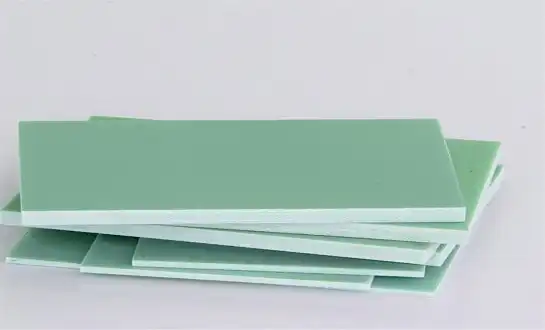
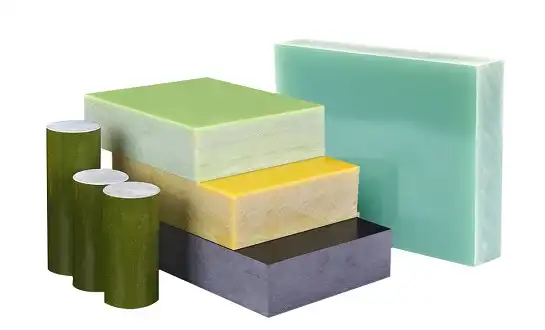
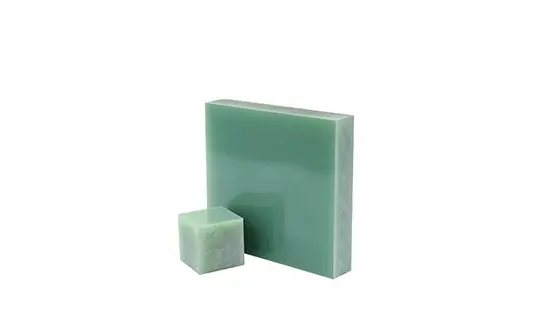
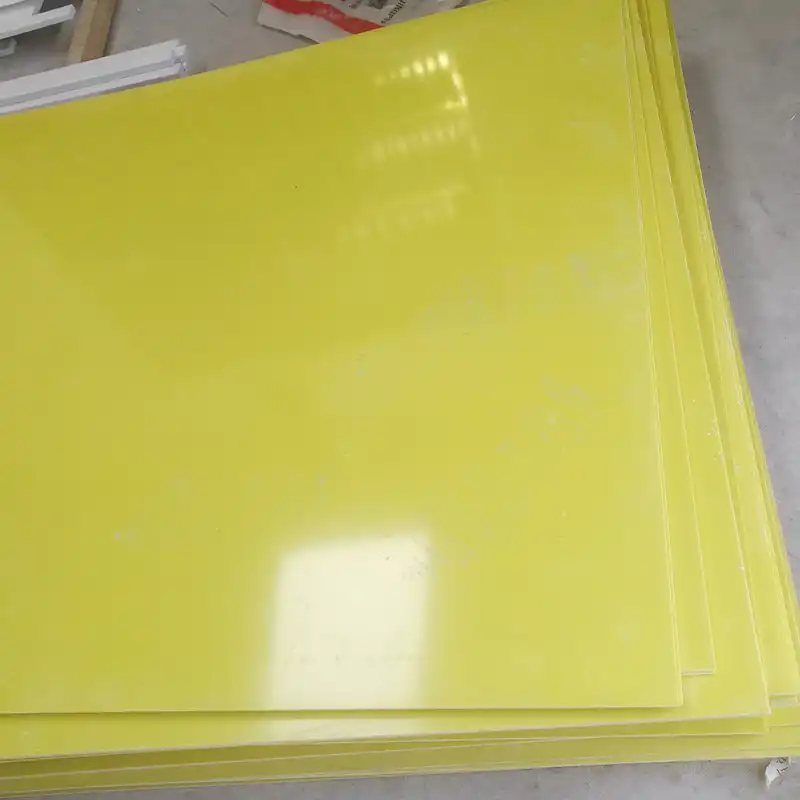
Different shades of colour, like natural yellow, red, green, and black, are useful for both functionality and order. The usual colour is natural yellow, which comes from the way the resin system is made. Different colours help makers tell the difference between different types or standards while putting things together, which cuts down on mistakes in complicated production settings.
Surface quality standards for 3240 epoxy sheet call for finishes that are smooth and free of flaws like bubbles, pits, or wrinkles that could affect how well they conduct electricity or how accurately they measure things. Small surface flaws like scratches or spots may be okay as long as they don't affect the material's usefulness, but the edges must be cut neatly and without any delamination or cracks. This is a quality sign that shows both the purity of the material and the supplier's manufacturing standards.
Challenges and Considerations When CNC Cutting 3240 Epoxy Sheet
Common Processing Difficulties
It's harder to machine glass-reinforced epoxy materials than it is to work with metals or plastics that don't have reinforcements. Delamination is one of the most annoying problems. It happens when the bond between the layers of resin and glass cloth breaks while they are being cut. This usually happens when the feed rate is too high, the cutting tools are dull, or there isn't enough support during the grinding process. Delaminated edges make parts useless for important uses because they weaken both their mechanical strength and their ability to keep electricity from flowing.
Surface roughness is another issue that affects both how things look and how they work. Because glass fibres are rough, the ends of things cut from them tend to become fuzzy or torn if the cutting conditions aren't just right. In mechanical applications, rough surfaces can cause stress concentration places. In electrical applications, they can make it easier for moisture to get into parts. To get smooth, clean cuts, you need to keep the tools sharp and balance the cutting speed and feed rate.
Damage from heat shows up as changes in colour, breaking down of the resin, or charring around the edges of cuts. The thermosetting epoxy resin can't melt and then re-solidify like thermoplastics can. Instead, too much heat breaks down the chemicals in the resin, which changes its features forever. When spinning speeds are too high and cooling isn't done properly, friction heat builds up faster than it can be removed. This is especially true when cutting continuously or when working with bigger pieces.
Critical Parameter Selection
Choosing the right spindle speed has a big effect on the quality of the cuts and the life of the tool. Specific factors change depending on the width of the material and the depth of the cutting tool, but it is important to keep the speeds low so that heat doesn't build up. Too fast of speeds creates friction heat, and too slow of speeds can make tools chatter and pull materials. The objective is to discover the optimal operating range for cutting while preventing the buildup of heat.
When choosing a tool, you should think about more than just picking the right width. When working with rough materials, carbide cutting tools work better than high-speed steel ones because they are harder and can handle heat better. Diamond-coated tools are the best choice because they last longer and have better edge quality, but they cost more up front. The economic assessment rests on how much is being made. Operations that make a lot of things quickly get their money back because they don't have to change tools as often and their products are more consistent.
Feed rates need to be calibrated to match the width of the material and the powers of the tool. Aggressive feed rates boost output, but they also increase the chance of delamination and unnecessary tool wear. Conservative feeds make the quality better but slow down the flow. Through testing and observation, experienced machine workers learn to intuitively know what the best feed rates are. They make changes based on the sound of the cutting and the shape of the chip they see.
Dust Management and Cooling Systems
A lot of fine resin and glass fibre dust is made during the grinding process of 3240 epoxy sheet, which is a problem for many reasons. This fine dust can get into the working parts of precise machinery, speed up the wear on bearings, and put people's health at risk by causing breathing problems. Effective dust filtration systems aren't extras; they're necessary for activities to run safely and reliably.
Industrial hoover systems with HEPA filters catch particles at the point of cutting, stopping them from spreading through the air and getting on machines. The right system design makes sure that there is enough wind to collect dust without getting in the way of cutting or part stability. Maintenance on the filters on a regular basis keeps them working well and keeps the system from getting too full, which lowers the efficiency of drainage.
Different cooling methods are used depending on the needs of the business and the surroundings. Using compressed air to direct directed airflow at the cutting contact to get rid of heat and help chips escape is a simple and effective way to cool many situations. Some businesses use mist coolant systems that lubricate and cool at the same time. However, these systems need suitable coolant formulas that won't damage the qualities of epoxy glue. Whether you use a mist system or dry cutting with air cooling relies on how many parts you need to make, how complicated they are, and the rules for the surroundings.
Learning From Industry Applications
Manufacturers of electronics that make shielding parts for switchgear panels have had success by regular parameter optimisation. One factory cut down on delamination problems by 87% after putting in place standard cutting processes that matched spinning speeds to material thickness and needed regular tool inspections. As part of their strategy, they gave full training to the operators, focusing on how to spot quality problems early on through eye inspection and physical edge assessment.
Manufacturers of industrial machinery that makes wear-resistant parts found that investing in diamond-coated tooling cut costs per part, even though the initial cost of the tools was higher. Longer tool lives meant that production wouldn't have to stop often to change tools, and better edge quality meant that there wouldn't be as many extra finishing processes. After looking at labour, material output, and quality changes, their economic study showed that the total cost of making the product went down by 34%.
Step-by-Step Guide to Processing 3240 Epoxy Sheet with CNC Cutting Machines
Pre-Processing Preparation and Material Inspection
The process of successful cutting starts before the material even gets to the CNC machine. When sheets are delivered, they are inspected to make sure they meet the requirements for thickness, surface quality, and dimensional limits. Check several places on each sheet using precise measuring tools to find any differences in thickness that might affect the accuracy of the cutting depth. A visual check should find flaws on the surface, damage to the edges, and any signs of delamination or water damage.
Conditions of storage affect how a material acts when it is being machined. Epoxy laminates don't absorb as much water as phenolic paper materials, but letting sheets warm up to shop temperature before cutting them keeps thermal expansion problems from happening. Keep things stored flat and supported well to keep them from bending, and keep storage places clean so that they don't get contaminated.
Calibration of a CNC machine for 3240 epoxy sheet sets the standard for precision for all processes that follow. Make sure that the work areas are clean and free of anything that could get in the way of the material sitting properly. Make sure that the cutting tools are put correctly, with the right lengths of protrusions and tight fitting. Before you start making cuts, run warm-up rounds on the machine to get the wheels and drive systems to a stable working temperature.
Material Mounting and Fixturing
When you hold the workpiece correctly, it doesn't move during the cutting process, which could affect the accuracy of the measurements and the quality of the edge. How the part is mounted relies on its size, thickness, and how hard it is to cut. For cutting through bigger sheets, vacuum table systems offer even binding force without any motorised parts that might get in the way of the tool tracks. Make sure there is enough hoover pressure all the way across the work area, paying extra attention to the edges and corners where air often leaks out.
Mechanical clamping works best with thicker materials and in situations where pressure force isn't enough. Place clamps so that they hold securely without putting stress points in places where they could cause the material to bend while it's being cut. Do not over-tighten, as this could damage the sides of the material or cause stress points in certain areas. When strategically placing clamps, designed tool paths are taken into account to make sure that fixings don't get in the way of cutting operations and that chip removal is still possible.
As cutting tools leave the bottom surface, protective backing boards under the piece stop it from tearing out and delaminating. The backing material should be thick enough to support the item but soft enough that touching it with a tool won't wear it down or bend it too much. Backing boards should be replaced often because cuts make them less useful over time.
Executing Cutting Operations
Programming for metal cutting is different from programming for glass-reinforced laminates. Tool paths shouldn't make needless changes in direction that put stress on certain parts of the material. If you can, use climb milling instead of regular milling. This will cut down on fibre pull-out and make the edges better. Set up the right lead-in and lead-out moves so that tools can slowly engage and withdraw with the object instead of diving right into cut paths.
During cutting tasks, keep an eye on both the machine's performance and the signs for cut quality. If the cutting sound changes, it could mean that the tools are worn out or that the parameters were chosen incorrectly. If there is too much noise or vibration, it means that changes need to be made. Check the creation of chips visually. Epoxy materials that are made correctly make small, separate chips that move out of the cutting zone neatly. If you see long, stringy chips or a lot of dust, it means that you may need to change some parameters to get better results.
Special care needs to be taken when drilling 3240 epoxy sheet because drill bits tend to grab as they break through the bottom surface. For holes deeper than three times the drill width, use sharp, high-quality drill bits made for composite materials and set up peck drilling rounds. This method lets chips escape and heat escape, which keeps the drill from getting stuck and damaging the material.
Quality Monitoring and Post-Processing
Problems can be found before they affect a lot of parts by checking the quality of the parts continuously during production runs. Take parts out of the machine every so often to check their dimensions using precise measure tools. Compare the important measurements, hole locations, and edge straightness to the technical specs. When inspecting the quality of an edge, you have to look at it and feel it with your bare finger along the cut edges to find any rough spots or fibre pull-out.
Post-processing steps take machine-cut parts and finish them so they are ready to be put together or go through more manufacturing steps. Deburring removes any rough fibers or sharp edges remaining after cutting. For small production runs, deburring by hand with fine abrasives works well. For larger runs, automatic spinning or brush deburring works better. The goal is to make lines that are smooth and uniform without taking away too much material that could affect the limits for size.
What kind of surface finishing is needed depends on the job. Parts that need to have good electrical protection may be cleaned more to get rid of any machine dust or other contaminants that are still on them. Some uses call for surface sealing processes that make the material more resistant to wetness and stop fibres from leaking, but this usually happens during later assembly steps rather than right after cutting.
Practices of documentation and tracking help quality management systems and meet customer needs. Keeping track of the cutting settings, tool usage, and inspection results for every production batch helps improve the process and gives useful information for fixing problems if they happen with the quality. This paperwork is especially important for parts that will be used in important places like transportation, power distribution, or medical equipment, where strict requirements for material tracking apply.
Conclusion
To use CNC cutting tools to properly handle glass-reinforced epoxy laminates, you need to be able to balance scientific understanding with hands-on experience. The material is essential for electrical, industrial, and automobile uses because it is a great electrical insulator and lasts a long time mechanically. But to get these benefits, it needs to be machined correctly. Optimising parameters, choosing the right tools, and managing dust well can turn difficult composite machining tasks into dependable, regular production processes.
Long-term worth for 3240 epoxy sheet is higher when purchasing choices involve more than just comparing costs. By looking at providers' technical know-how, quality certifications, and shipping and receiving skills, you can build relationships that help keep production quality high and the supply chain running smoothly. Engineers can choose the right types for different uses by knowing the material's properties and the trade-offs between performance and cost. This improves both the performance of the parts and the ease of production.
The ideas in this guide come from years of working in a lot of different fields and using a lot of different tools. Using these tried-and-true methods cuts down on trying things and failing, speeds up the learning curve for production, and shortens the time it takes to get new goods with epoxy glass laminate parts on the market.
FAQ
Are resin glass laminates easy for regular CNC tools to work with?
With the right setting changes and tools, most industrial CNC mills and cutters can handle these materials well. Installing carbide or diamond-coated cutting tools made for rough composite materials, setting up dust separation systems to control the production of particles, and tuning spindle speeds and feed rates that work with glass-reinforced thermosets are the main changes that need to be made. Manufacturers who already have CNC machines can use epoxy laminates because they don't need many changes to them.
What range of thicknesses can be used for most CNC cutting jobs?
Standard sizes range from 0.5 mm thin sheets that can be used as insulation barriers to 50 mm thick pieces that can be used for building parts. For certain uses, extended production possibilities go up to 150 mm. CNC cutting can handle all of these different thicknesses, but as the thickness goes up, the parameters need to be changed. Thinner materials can be cut quickly with lower cutting forces, but they need to be carefully fixed in place so they don't bend. On the other hand, bigger parts need strong workholding and maybe even more than one cutting pass to keep the quality of the edge.
How does its temperature efficiency compare to that of other composite materials?
Most epoxy glass fabric laminates have Class F thermal ratings, which means they can withstand temperatures of up to 155°C continuously, which is higher than the 130°C that standard paper-based phenolic materials can handle. This higher temperature tolerance is very important in uses that make a lot of heat, like motor parts and generator barriers, where higher temperatures would damage materials with lower ratings over time. The glass support keeps its mechanical qualities better at high temperatures than options made of biological fibres.
Partner with J&Q for Premium Epoxy Glass Laminate Solutions
Every 3240 epoxy sheet that J&Q makes is the result of more than 20 years of specialised manufacturing experience, mixing strict quality standards with precise engineering. Our vertically linked operations include making the materials, controlling the hot-pressing processes, and checking the quality of everything. This makes sure that every output batch performs the same way. Technical application support from us helps engineering managers and buying teams make the best use of material specs for CNC cutting needs and working conditions.
As a well-known company that makes 3240 epoxy sheets for markets around the world, we keep a large collection of sheets in a variety of common thicknesses and can also make sheets to fit special needs. Our combined transportation system makes sure that deliveries happen on time to the United States' major industrial centers, and we back this up with paperwork and certifications that meet the standards of the industry. Contact our team at info@jhd-material.com to get technical specs or production samples. Our experienced application engineers can talk about your unique cutting problems and suggest the best material solutions.
We know that purchase choices affect more than just buying materials; they also affect the overall success of the manufacturing process. As part of our dedication, we offer quick technical support, clear communication throughout the order process, and variable minimum order amounts that can be used for both concept development and full-scale production. To make great products, you need to work with solid suppliers. Find out how our all-around service can help you reach your production goals.
References
International Electrotechnical Commission. (2019). Specification for Industrial Rigid Laminated Sheets Based on Thermosetting Resins for Electrical Purposes - Part 3-2: Specifications for Individual Materials - Requirements for Rigid Laminated Sheets Based on Epoxy Resin. IEC 60893-3-2 Standard.
Mallick, P.K. (2021). Thermoset Composites: Processing and Performance in Industrial Applications. Materials Engineering Press.
National Electrical Manufacturers Association. (2020). Industrial Laminated Thermosetting Products. NEMA LI 1-2020 Standard.
Zhang, Y. & Chen, W. (2022). "Optimization of CNC Machining Parameters for Glass Fiber Reinforced Epoxy Composites." Journal of Manufacturing Processes, 76, 234-247.
American Society for Testing and Materials. (2018). Standard Test Methods for AC Loss Characteristics and Permittivity of Solid Electrical Insulation. ASTM D150-18 Standard.
Thompson, R.L. (2023). Composite Materials Machining: Best Practices for Thermoset Laminates. Industrial Manufacturing Technical Institute.

Get a complete product list and quotation

J&Q New Composite Materials Company