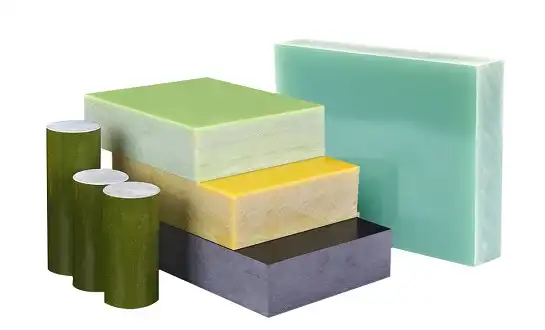
How to Maintain Tight Tolerances in NEMA CE Sheet Machining
To keep tolerances tight during NEMA CE sheet machining, you have to keep a close eye on the properties of the material, the accuracy of the tools, the working surroundings, and the checking procedures. To make sure that the dimensions of high-quality NEMA CE sheets are accurate within certain limits, it must go through a process of regular tolerance verification, advanced CNC cutting with calibrated tools, and careful measurement with coordinate measuring machines. Process optimization, which includes Statistical Process Control and training for operators, keeps the dielectric strength and material stability that are important for electrical enclosures while reducing variation. Keeping humidity and temperature under control during cutting keeps materials from twisting and makes sure that the quality of production stays the same for large orders.
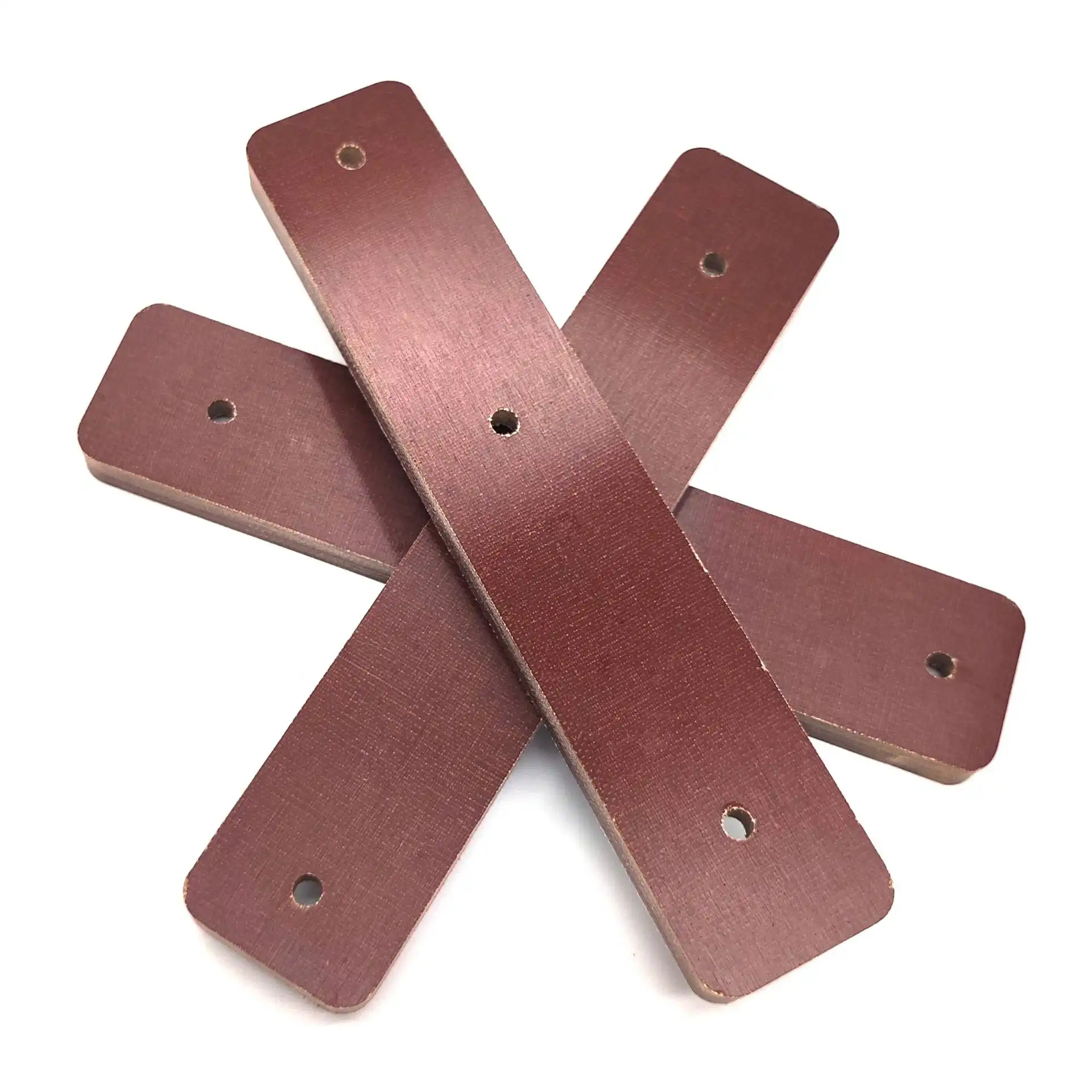
Understanding Tight Tolerances in NEMA CE Sheet Machining
Defining Tight Tolerances for Electrical Enclosures
Tight tolerances are the small size limits that made parts must meet to make sure they fit and work right and meet safety standards. When working with insulation materials for electrical enclosures, even small mistakes can make the structure less reliable, lower the safety ratings, or require expensive rework. Managers of engineering projects and buying teams know that accuracy is essential for switchgear, motor parts, and high-voltage uses to work reliably.
The Role of Tolerance Control in Compliance and Safety
How well shelters protect sensitive electrical equipment from environmental threats depends on how accurate the measurements are. Tolerance control makes sure that mounting holes line up correctly, gaskets close properly, and safety shields keep their insulating qualities. Electrical failure, arc tracking, and component damage are much more likely to happen when materials don't meet stated thickness limits or have surface irregularities. Because of this, tolerance management is very important for companies that distribute electricity and make transformers.
Common Challenges in Achieving Precision
The first problem is that there are material differences. Changes in the amount of resin, the weave of the glass cloth, or the curing conditions can make the cutting behavior uncertain. Another problem is that machines can only be so precise; even when they are set, tools wear out and the equipment expands when it gets hot. Changes in the environment, like temperature and humidity, can make dimensions less stable, especially during production runs with more than one step. Knowing about these problems helps buyers understand why it's important to choose a maker with a lot of experience when they need precision-machined insulation parts.
Key Factors Affecting Tolerance Control in NEMA CE Sheet Machining
Material Selection and Preparation Standards
Tolerance control starts with choosing high-quality insulation materials that meet standards. For epoxy laminates and phenolic composites, including NEMA CE sheet, to behave predictably during cutting, they need to meet set industry standards. Warping or delamination is less likely to happen if the material is properly prepared, which includes pre-drying to stop it from absorbing water and getting used to the conditions on the shop floor. If buyers care most about dielectric strength and flame resistance, they should make sure that sellers thoroughly inspect arriving materials, looking for resin starvation, surface blisters, or foreign inclusions that make the material harder to machine.
Conditions for storing things are very important. High humidity can lead to measling, which is a type of internal stress that doesn't show up until after the metal has been machined or heated. Reputable makers store materials in climate-controlled facilities and follow strict handling rules to keep the materials' identity from the time they are received until they are finished being made.
Advanced Machining Technologies and Equipment Calibration
CNC cutting machines with carbide or diamond-tipped tools can do work with very tight tolerances with great accuracy. Laser cutting systems let you handle things without touching them, which removes mechanical stress. However, you have to carefully control the parameters to avoid areas that get too hot. Router-based systems are a cheap way to work with thicker materials, but they need to be maintained very carefully so that the tools don't wear out.
Equipping things with the right tuning is a must. Checking the spindle's runout, location accuracy, and tool offsets every day stops small changes from building up and causing tolerance violations. Mechanical engineers and OEM sourcing managers can get more from their partnerships with makers who keep records of calibration plans and tracking. This makes sure that output is consistent across production runs.
Environmental Condition Management
Changes in temperature cause materials and machine parts to expand and contract, which has a direct effect on the accuracy of measurements. These effects are lessened by keeping the shop floor's temperature fixed, usually within a few degrees of normal. Controlling humidity stops materials from absorbing water, which can change their size and electrical properties. Vibration separation for precision tools cuts down on small movements that can affect the accuracy of cutting.
Adding environmental tracking to the manufacturing process gives workers real-time input that lets them change parameters before tolerances are breached. This proactive method lowers the amount of waste and helps achieve the batch-to-batch consistency that manufacturers of car parts and home appliances need for high-volume production.
Effective Methods to Achieve and Maintain Tight Tolerances
High-Accuracy Measurement and Inspection Protocols
To get accuracy, checks must be made at several steps of production, especially when machining NEMA CE sheet components. Coordinate measuring tools measure accuracy in three dimensions, picking up differences as small as a few thousandths of an inch. Optical comparators and laser scanners can measure things without touching them, which is good for measuring small details or complicated shapes. Micrometers and height gauges are still needed for quick checks on the shop floor.
Using a thorough checking process finds mistakes early on, stopping broken parts from moving through the production process. Engineering managers like it when sellers give thorough inspection reports with measures of dimensions and surfaces, as well as confirmation of the materials' properties. This paperwork helps with quality checks and keeps track of things for businesses that are controlled.
Statistical Process Control and Continuous Improvement
Statistical Process Control uses math to make sure that production is consistent and to spot trends before they lead to non-conformance. Control charts keep an eye on important factors like changes in thickness, the accuracy of hole placement, and the flatness of the surface. When readings get close to the control limits, workers step in to change the settings on the machine or replace worn-out tools.
Continuous operator training makes sure that workers understand the tolerance requirements and know how to spot early signs of a process deviation. Regular changes to training bring in new techniques, encourage the best ways to do things, and help build a culture that values quality. This human part works well with automated monitoring tools to make a strong quality framework.
Real-World Implementation and Results
A medium-sized company that works in power distribution put in place coordinate measuring tools and Statistical Process Control to make insulation walls. Tolerance compliance went from 94% to 98.7% in six months, and the rate of scrap dropped by 31%. The cost of rework went down a lot, and customer comments about fitting problems almost went away. Investing in measuring tools and training paid off because waste went down and customer happiness went up. This shows the real value of systematic tolerance management.
Comparing NEMA CE Machining Standards with Other Certifications
NEMA CE Versus UL and IEC Standards
Various certifying groups put more weight on different parts of the performance of electrical enclosures. NEMA CE sheet grades are based on levels of environmental safety, such as how resistant something is to dust, water, and physical damage. Safety tests, such as flammability scores and electrical insulation proof, are a big part of UL certifications. International counterparts are set by IEC standards, though the testing methods and classification systems are a little different.
IP Rating Considerations and Machining Implications
Ingress Protection scores tell you how resistant an enclosure is to solid items and liquids getting in. When the IP grade is higher, the gaps around the sealing surfaces, mounting points, and wire entry points must be smaller. Even small surface roughness or differences in size can make a seal less effective, lowering the amount of safety below what is required by law.
Balancing Tolerance Accuracy with Cost and Operational Requirements
Tolerance accuracy must be balanced with cost and operational needs. Tighter standards make output more difficult and cost more. The people who work in procurement need to figure out if ultra-precise cutting is a good fit for their needs. Standard tolerances may work properly for parts placed in controlled indoor environments, but they need to be more precise for installs outside or in settings with a lot of vibration. The best tolerance mix is found through talks between buyers and manufacturers. Expert providers give advice based on the properties of the material, the ability to machine it, and the stress factors that are relevant to the application.
Maintenance Tips and Troubleshooting for NEMA CE Sheet Machined Enclosures
Routine Maintenance Best Practices
Maintenance done after installation protects the dimensions and increases the service life. Conductive contaminants that could weaken shielding are removed by regular cleaning. Impact damage or stress concentration at key mounting places can be avoided by treating things correctly during repair tasks. When installing something, you should follow the manufacturer's instructions and not over-tighten the screws, which can cause material stress or physical distortion. Regular inspections find early signs of damage from wear and tear, weather damage, or mechanical damage. By using precise measuring tools to check the dimensions, you can be sure that the tolerances stay within the specifications for the whole duration of the product.
Troubleshooting Dimensional Deviations
Most of the time, poor storage, shipping damage, or temperature cycling are to blame for tolerance violations found during installation or operation. Extreme temperatures can cause materials to grow or shrink more than they were meant to. During transport, mechanical shock can cause tiny cracks or lasting damage. As a quick fix, one option is to measure again in a controlled setting to tell the difference between short-term effects on the environment and long-term damage. Talking to the original maker gives you an expert opinion on whether to fix or replace something. Keeping thorough records of differences helps find the root cause and stops the problem from happening again in future orders.
Upgrading Legacy Enclosures for Current Standards
To keep up with changing safety or performance standards, older systems may need to be retrofitted. When you upgrade, you have to carefully check the dimensions of the new parts to make sure they still work with the old fixing systems. Newer insulation materials are better at resisting flames, being insulating, and having better mechanical qualities than older ones. Working with makers who have done retrofit projects before makes sure that the shift goes smoothly. They offer services like measurement analysis, material suggestions, and cutting that keep systems working and improve their compliance and dependability.
Conclusion
To keep tight tolerances when cutting insulation materials, including NEMA CE sheet, for electrical enclosures, you need to keep an eye on the quality of the materials, the accuracy of the tools, the surroundings, and the testing procedures all at the same time. Advanced CNC technology, strict calibration plans, Statistical Process Control, and thorough operator training are all things that successful makers use together. When buying teams know the differences between certification standards, they can set the right limits for their needs. Throughout the duration of a product, dimensional integrity is kept up by regular upkeep and aggressive troubleshooting. Engineering managers and technical procurement teams can get the reliable, compliant parts their applications need by working with experienced sellers who can show consistent process control and quality documentation.
FAQ
What factors most significantly impact tolerance control during machining?
There are three main parts of tolerance control: the uniformity of the material, the frequency of equipment calibration, and the security of the surroundings. Changes in the resin content or glass weave density of a material make its cutting behavior uncertain. Over time, accuracy is lost due to equipment drift caused by thermal growth or tool wear. Changes in temperature and humidity cause dimensions to shift in both materials and tools, which makes it harder to keep to tolerances.
How often should precision machining equipment undergo calibration?
Critical factors like spindle runout and positional accuracy must be checked every day on high-precision CNC centers. Comprehensive calibrations done once a month using approved tools make sure that tolerance requirements are still being met. When working with different grades or sizes of material, machines that make parts that need to fit together very precisely may need to be calibrated in between production runs.
Can custom machining accommodate unique dimensional requirements without compromising standards?
Custom requirements can be met by experienced makers who work together to review designs and plan the production process. Modern machine centers can work with complicated shapes and keep their limits tight. Statistical Process Control and improved inspection procedures make sure that custom parts meet both their own specific size needs and all safety standards. This makes sure that they are compliant without losing accuracy.
Partner with J&Q for Precision NEMA CE Sheet Machining
J&Q has more than twenty years of experience making and cutting high-quality insulation materials. They also have more than ten years of experience trading internationally and serving difficult businesses around the world. As a reliable NEMA CE sheet supplier, we have climate-controlled factories, high-tech CNC lathes, and strict Statistical Process Control systems that always make sure that the tolerances for electrical enclosures, switchgear parts, and motor insulation applications are met smoothly. Our dedicated transportation business offers seamless one-stop service, so we can make sure that your precision-machined parts get to you on time and as planned. Email our expert team at info@jhd-material.com to talk about your tolerance needs, material certifications, and number needs. We're ready to help you with your next project with quality that you can count on and on-time delivery.
References
National Electrical Manufacturers Association. "NEMA Standards Publication: Enclosures for Electrical Equipment." 2021.
Institute of Electrical and Electronics Engineers. "IEEE Standard for Precision Tolerances in Electrical Insulation Materials." 2020.
American Society for Testing and Materials. "ASTM D709: Standard Specification for Laminated Thermosetting Materials." 2019.
International Electrotechnical Commission. "IEC 61439: Low-Voltage Switchgear and Controlgear Assemblies." 2022.
Society of Manufacturing Engineers. "Precision Machining of Composite Materials: Techniques and Quality Control." 2021.
Underwriters Laboratories. "UL 508A: Industrial Control Panels - Material and Machining Requirements." 2020.

Get a complete product list and quotation

J&Q New Composite Materials Company