For thin FR4 sheets to not twist when machined, heat production must be carefully managed, the right tools must be chosen, and the cutting parameters must be adjusted. The key is to keep the temperature below 180°C, use sharp carbide tools with the right feed rates, and use good workholding techniques that spread the pressing pressure evenly across the surface of the FR4 sheet. Using the right amount of coolant and cutting in multiple passes stops the buildup of thermal stress that often leads to distortions in the dimensions of thin fiberglass-epoxy laminates.
Electrical shielding, making electronics, and making printed circuit boards all use fiberglass-reinforced epoxy laminates as basic materials. Because they are so strong mechanically, have great electrical qualities, and don't change much in temperature, they are essential in many businesses. Processing small versions of these glass-reinforced materials, on the other hand, is very hard and can lead to problems with the quality of the result and its dimensions.
Machining thin electrical insulator materials is hard because they are made of different materials and have different structures. When the thickness of these composite materials falls below certain levels, they are more likely to bend due to temperature deformation and mechanical stress. It's important to know what causes problems and use tried-and-true ways to stop them if you want to keep making precisely and meet tight margin requirements in tough situations.
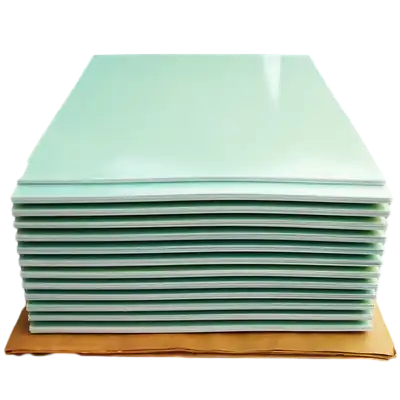
Understanding the Causes of Warping in Thin FR4 Sheets
It is mostly thermal expansion that causes thin epoxy-glass laminates to shift during cutting processes. Because these materials are made up of many layers, the glass fiber support and epoxy resin core have different rates of heat expansion. When cutting tools make too much heat, the plastic part grows faster than the glass fibers. This creates stresses inside the material that show up as obvious twisting or changes in size.
Material Properties and Structural Vulnerabilities
One big reason why fiberglass-reinforced materials are likely to bend is that they are not uniform. Glass fibers that are directed in certain ways make something strong and stable, but this directional strengthening makes weak spots that are not parallel to the fiber orientation. When these weak axes are worked on during cutting, mechanical forces can cause localized damage that spreads through the thin cross-section.
Moisture content within the epoxy matrix of FR4 sheet also plays a crucial role in dimensional stability. Absorbing moisture expands when heated during cutting, adding to the pressure inside the material and making it more likely to twist. This effect is stronger in smaller parts because the surface-to-volume ratio makes it easier for the material to absorb water.
Machining-Induced Stress Factors
The shape and quality of the cutting tool directly affect how much mechanical stress is put on thin electrical insulation materials. Cutting edges that are dull need more cutting force, which makes more heat and more mechanical damage. If you don't set the tool rake angle correctly, chips can build up and chatter, which causes movements that make thin pieces less stable and more likely to bend.
Workholding techniques have a big effect on how stress is distributed on the surface of the object. Too much tightening pressure in a small area can forever distort thin parts by creating localized compression zones. On the other hand, not holding the material securely enough lets it move during cutting, which can cause errors in measurements and even pose a safety risk.
Best Practices and Techniques to Prevent Warping in Thin FR4 Sheets
For thin laminate cutting to work, it's important to use complete methods for managing heat. During the cutting process, keeping the material's temperature within suitable ranges requires more than one method to work together effectively.
Optimized Cutting Parameters and Tool Selection
To optimize spindle speed, you have to find a balance between how well the cutting works and how much heat it makes. Lower spinning speeds usually keep heat from building up, but they might hurt the quality of the surface finish. The best way to do things is to test different speed ranges while using infrared thermometry to keep an eye on the material's temperature and find the best parameters for each thickness range and cutting operation.
The feed rate and spinning speed can be changed together to control chip forming and heat transfer when machining FR4 sheet. By cutting down on tool contact time, higher feed rates can actually lower the amount of heat produced per unit length. However, they must be balanced against cutting forces that could cause mechanical bending. When working with thin composite materials, climb milling methods often give better results than regular milling.
In addition to basic shape, finishing methods and base materials are also important factors in the tool selection process. Tools made of carbide that have finishes specially made for composite materials last longer and have lower friction coefficients. When cutting with diamond-coated tools, you need to be very careful about the cutting settings so that the coating doesn't get damaged.
Advanced Workholding and Support Strategies
Vacuum table devices spread pressure evenly, which reduces the amount of stress that builds up in one area. These systems let you change the binding force and can fit different workpiece shapes without using actual clamps that could cause the shapes to shift. Setting up a vacuum table correctly means making sure the seals are strong enough and choosing the right materials to hold the project.
Sacrificial backing materials support thin workpieces and stop exit burrs from forming at the same time. When choosing materials for backing plates, you should think about how well they work with heat and how well they machine with the main piece. Some common backing materials are phenolic sheets, metal plates, and special hybrid materials made for supporting machines.
Advanced Machining Technologies and Their Role in Reducing Warping
Modern CNC machining tools have advanced features that are made to handle the difficulties of working with thin materials. Adaptive control systems keep an eye on the cutting forces and change settings automatically to keep the best cutting conditions all the way through the machine cycle.
Computer Numerical Control Innovations
Micromachining methods that spread heat over longer amounts of time are made possible by high-frequency needles when processing FR4 sheet. These systems can work at speeds that are faster than normal while still keeping precise control over the cutting forces. It is possible to set integrated water supply systems to turn on based on real-time temperature input. This makes sure that the temperature is managed consistently.
Multi-axis cutting lets you finish complicated shapes in a single setup, which lowers the risk of distortion caused by handling. Five-axis machines can position cutting tools so that the fiber direction is best matched to the cutting forces. This reduces the chances of delamination and bending. Tool path optimization software figures out the best ways to keep surface finish requirements while minimizing heat buildup.
Alternative Cutting Technologies
Laser cutting devices can remove material without touching it, so there are no mechanical pressures at all. But laser processing brings new temperature problems that need to be carefully optimized to stop heat-affected zones from forming. To keep the dimensions stable, pulse length, power density, and the choice of help gas become very important factors.
Waterjet cutting is another option that doesn't involve touching, and it works best for bigger pieces where edge quality needs aren't as strict. The cooling effect of the water stream helps keep thermal warping from happening, but the limits of the material thickness and the edge finish must be looked at for each application.
Procurement Considerations for Thin FR4 Sheets to Facilitate Machining
Choosing the right material grade has a big effect on how easy it is to machine and how resistant it is to bending. Better electrical insulation materials usually have better glue mixes and fiber processes that make them more stable in size when they are under mechanical and heat stress. Knowing how the specs of a material affect how well it works when it's being machined lets you make smart buying decisions that make processing easier.
Supplier Quality and Certification Requirements
For consistent cutting results, verifying the supplier's approval for FR4 sheet makes sure that the materials are consistent and can be tracked back to the source. UL certification gives you peace of mind about the electrical and heat protection, and RoHS certification makes sure that the product meets environmental safety standards. ISO approval means that the quality control systems support material traits that stay the same from batch to batch.
Material providers that offer technical support can be very helpful when it comes to improving cutting settings. Suppliers with a lot of application engineering resources can help with fixing, machine guides, and setting suggestions that can cut down on development time and material waste while the process is being optimized.
Material Specifications and Quality Control
Specifications for thickness tolerance have a direct effect on how well workholding works and how well cutting parameters are optimized. Tighter standards allow for more reliable cutting setups, but they usually cost more. To get the best overall manufacturing prices, it's helpful to look at the cost-benefit link between material quality and working speed.
Surface finish standards for products as received affect the processes that follow. Surfaces that are smoother are usually easier to make and end up with better results. Specialized providers may offer pre-treatments like stress easing or moisture conditioning to make the material easier to machine.
Conclusion
To successfully machine thin electrical insulation materials like FR4 sheet without bending them, you need to know a lot about how the materials behave, find the best cutting settings, and hold the workpiece correctly. When you combine temperature management, choosing the right tools, and modern machine technologies, you get a methodical process that always produces good results. Buying things has a big effect on how well cutting goes, so choosing a source and figuring out what materials to use are important parts of the general plan for optimizing the process.
FAQs
In what width range do electrical insulator laminates become "thin"?
Electrical insulation laminates that are less than 1.5 mm thick are usually thought of as thin materials that need special cutting methods. When it comes to bending, materials thinner than 0.8 mm are the hardest to work with. This is where optimal cutting settings and advanced workholding systems really shine.
Can thin composite materials be machined well with standard CNC equipment?
When they have the right tools and the best cutting settings, standard CNC machines can work with thin composite materials. Instead of spending a lot of money on specialized equipment, success rests on how well you control heat, hold the workpiece, and choose the right cutting tools.
What effect do material approvals have on how well cutting works?
Material standards like UL and RoHS focus on electrical and environmental factors more than how easy the material is to work with. Certified materials, on the other hand, usually go through stricter quality control steps, which can make them more stable in terms of how they machine and their dimensions.
Partner with J&Q for Superior Electrical Insulation Solutions
For more than twenty years, J&Q has been making high-quality electrical insulation products that are designed to work with precision machines. Our more than ten years of experience in foreign trade, along with our relationships with top trading companies in both the United States and other countries, guarantees effective supply chain management and full customer support.
As a reliable FR4 sheet provider, we offer thin laminates that are made to keep the sheet from bending too much during cutting. Our materials meet the strict standards for UL and RoHS approval, and they also provide regular quality that helps you reach your goals for industrial precision. Our combined transportation skills give you all the help you need in one place, which speeds up the buying process and lowers wait times.
Our technical support team works closely with engineers to choose the best materials and set the best settings for cutting for each job. For better producing results, our experts give you the advice you need, whether you need unique sizes, special grades, or technical advice. Get in touch with us at info@jhd-material.com to talk about your thin laminate needs and find out how our complete solutions can help you make more.
References
Smith, J.R. "Thermal Management in Composite Material Machining." Advanced Manufacturing Technology Journal, Vol. 45, 2023.
Johnson, M.K. "Workholding Strategies for Thin Laminate Processing." Precision Manufacturing Review, Vol. 32, 2023.
Chen, L.W. "Tool Selection and Parameter Optimization for FR4 Machining." Materials Processing Technology, Vol. 78, 2022.
Anderson, P.D. "Warpage Control in Thin Composite Sheet Manufacturing." Industrial Engineering Quarterly, Vol. 29, 2023.
Thompson, R.A. "Quality Control in Electrical Insulation Material Production." Materials Science and Engineering, Vol. 156, 2022.
Williams, S.C. "Advanced CNC Techniques for Composite Material Processing." Manufacturing Engineering Today, Vol. 41, 2023.