How to Improve CNC Machining Efficiency for Insulation Materials?
A strategy method centred on material-specific optimisation is needed to make CNC cutting more efficient for making insulation materials. To get better output while keeping precision when working with FR4 sheets, epoxy boards, Bakelite, and phenolic laminates, you need to know how the materials behave, choose the right tools, and fine-tune the operational factors. Better cutting efficiency directly leads to shorter lead times, lower production costs, and more consistent products. These are all very important for electrical makers, machinery builders, and power sector providers whose operations depend on reliable insulation components.
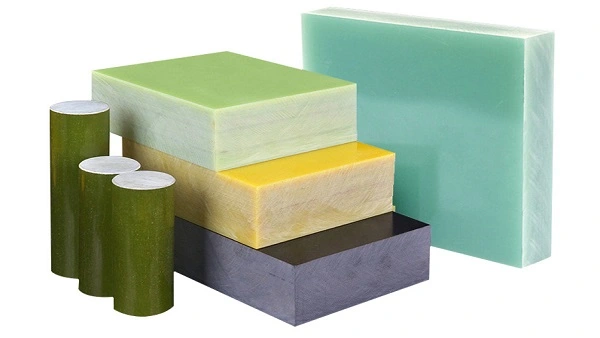
Assessing Current CNC Machining Performance for Insulation Materials
Figuring out where your business stands now is the first step toward making real improvements. In our 20 years of experience, we've worked with engineering managers and buying teams in a wide range of businesses. One thing that has stayed the same: tracking the right metrics is key to finding performance gaps.
Establishing Baseline Performance Metrics
Cycle time per part, material utilisation rates, and how often you change tools can tell you a lot about how efficient you are right now. When cutting FR4 sheets or resin boards, keeping track of these numbers helps you figure out if delays are caused by the cutting settings, the way the material is handled, or the machine's limits. Electrical makers often find that small changes to feed rates can cut cycle times by 15 to 20 percent without affecting the accuracy of the measurements or the quality of the surface finish.
Understanding Material-Specific Challenges
Electrical insulation materials can be machined in different ways. The structural stability of FR4 and G10 epoxy laminates is very good, but they make rough dust that speeds up tool wear. It's easy to machine bakelite and phenolic cotton sheets, but you have to be careful with the temperature to keep them from delaminating. Because these behaviours have a direct effect on your output estimates and running costs, you need to do material-specific assessment in order to set sensible efficiency goals.
Measuring True Operational Costs
Aside from clear measures like machine runtime, there are also secret costs that add up over time, such as changing tools too often, doing extra work because of differences in dimensions, and using a lot of energy during long grinding cycles. Power sector providers who buy insulation sheets for transformers really need to know these total costs because they have to weigh the original price against how well the product will work in the long run. A full evaluation of performance finds chances that simple cost-per-unit estimates miss.
Identifying Key Bottlenecks Specific to Insulation Materials
Once you know what your average speed is, the next important step is to find individual problems. When working with phenolic laminates and epoxy materials on a large scale, machinery makers and sellers of car parts have to deal with special problems.
Tool Wear and Selection Issues
Different insulation materials are very different in how rough they are. The glass fibre reinforcement in FR4 makes tool wear a lot worse than in phenolic sheets that aren't strengthened. When cutting epoxy laminates, carbide tools usually work better than high-speed steel ones. In production settings, this means that the tools last three to five times longer. We've seen mechanical engineers cut the cost of replacing tools by a large amount by matching the shape and covering of the cutters to the materials they are used on.
Machine Configuration Limitations
When working with electrical insulation materials, spindle speeds, feed rates, and cooling systems that are meant for metal often don't work as well. When it comes to chip removal, epoxy boards need different methods than metals because resin dust behaves differently than metal chips. Manufacturers of home appliances that work with insulation frames find that not getting rid of enough dust leads to surface contamination issues that hurt the insulating performance of finished parts.
Material Handling and Fixturing Challenges
Specialised fixturing methods are needed to hold thin resin sheets in place or keep them from deforming during cutting operations. Vacuum tables are great for flat FR4 panels but might not work well for rough phenolic materials. Transportation equipment companies that make battery barriers have improved the clamping methods so that the barriers stay flat during the cutting process. This gets rid of the warping that used to cause measurement rejection rates to be higher than what was accepted.
Optimization Principles for Enhancing CNC Machining Efficiency
To go from finding the problem to thorough optimisation, you need to use tried-and-true methods that are specifically designed for electrical insulation. These methods don't come from theories; they come from real-life experience.
Customizing Cutting Parameters by Material Type
Spindle speed, feed rate, and depth of cut can all affect insulation materials in different ways. Higher spindle speeds (18,000 to 24,000 RPM) and modest feed rates usually work well with FR4 sheets. On the other hand, phenolic materials may need slower speeds to keep them from burning or delaminating. There isn't a straight line between these factors; to find the best values, you have to try within certain bands that balance tool life with cycle time reduction.
Establishing parameter libraries for your commonly machined materials eliminates guesswork during setup. Manufacturers of electrical equipment gain greatly when users can use tried-and-true parameter sets for common materials like 3240 epoxy boards instead of trying things out and seeing what works and what doesn't, which wastes time and material.
Implementing Advanced Tooling Technologies
Choosing a tool is more complicated than just choosing between carbide and high-speed steel. When working with rough glass-reinforced materials, diamond-coated tools keep their cutting edges much sharper for a longer time. Even though the cost of the tools themselves goes up at first, they are worth it for middle to high-volume production runs because they last longer and make uniform cuts.
When cutting epoxy laminates, compression spiral bits keep the entry and exit surfaces from delaminating as little as possible. This solves a common quality problem for PCB support uses. These unique shapes make edges that are smoother and require less additional finishing. This directly increases output while still meeting the size requirements set by car R&D engineers.
Integrating Real-Time Monitoring Systems
Modern CNC controls processing insulation material have tracking features that let workers know when problems start to arise before they become big ones. Vibration sensors find tools that aren't engaging properly or are getting dull, and temperature sensors help keep heat-sensitive materials from getting damaged. Power distribution businesses like how consistent the quality is when these systems are used to machine arc barriers and thermal protection parts, where safety performance is directly affected by how accurately the dimensions are met.
Automated tracking lowers the amount of waste because it finds problems during the first passes instead of after full batches have been finished. The collected data also helps with attempts to keep getting better by showing links between changing parameters and seeing changes in quality.
Practical Techniques to Improve Machining Efficiency on Site
Making changes in your real work setting is how theory turns into practice that leads to results. These methods increase efficiency in a way that can be measured without replacing all of the equipment.
Streamlining Material Flow and Setup Procedures
Putting raw materials close to tools cuts down on the time that can't be used to make something else. When your team cuts through a lot of different insulation materials every day, organising your collection by type of material and thickness makes job changes go faster. We've seen that well-organised staging places for materials cut setup time by 30–40% compared to looking through a lot of different items.
When you standardise mounting designs for parts with similar shapes, it's easier to switch between production runs quickly. When flexible fixturing systems can handle different part sizes without requiring a lot of change between jobs, it's good for machinery makers that use different gap designs.
Optimizing CNC Programming and Tool Paths
Modern CAM software makes tool paths that are efficient and reduce the amount of air cutting and extra moves for adjusting. Nesting algorithms get the most out of the material on a piece of paper. This is especially helpful when working with expensive materials like approved epoxy boards, where the cost of the materials makes up a big part of the price of the part.
Lead-in and lead-out techniques change cycle time and edge sharpness. When cutting weak materials, ramping into cuts gradually instead of diving in straight lowers tool stress and increases knife life. These small changes to the code add up to big gains in efficiency across all output rates.
Applying Lessons from Real Production Environments
Manufacturers of switchgear have reported 25% higher output by combining better tools, optimised parameters, and refined code for the production of FR4 components. Significant improvements were made through planned testing rather than major equipment overhauls. This shows that measured progress leads to real outcomes.
Battery pack insulation material suppliers cut cycle times by a lot by putting dedicated dust extraction right at the cutting points. This stopped resin buildup on the tools that used to ruin the quality of the cuts and force early tool changes. This simple change needed very little money to make, but it had instant benefits for operations.
Verification and Continuous Improvement
To keep efficiency gains, measurements and improvements must be made all the time. Transformation equipment makers know that optimisation is a trip, not a job that needs to be finished all at once.
Establishing Key Performance Indicators
Keeping track of output per shift, scrap rates, tool prices per thousand parts, and energy use per unit is a good way to show that improvements are working. These measures help buying professionals figure out how much efficiency gains there are when they're judging the skills of suppliers or trying to convince management that they need to buy new equipment.
When you compare present results to readings taken at the start, you can see where you need to put more effort to make progress. Electrical engineers like methods that are based on data and can measure improvement instead of depending on biased evaluations of changes to operations.
Building Continuous Improvement Culture
Training programs that help machine workers understand how materials behave and how parameters affect each other make teams that can find ways to improve things on their own. When operators understand why certain settings work better for phenolic materials than epoxy materials, they add useful information to efforts to improve things that are driven by engineering.
Regular review meetings where production teams talk about problems and good answers help people from different jobs and areas share what they know. Manufacturers of home appliances benefit greatly when workers share useful methods that solved specific machining issues. This gets the organization's best practices used by everyone.
Scaling Improvements Across Production
Pilot testing makes sure that new methods work before they are fully implemented. This lowers the risk of making big changes to parameters. Once a method has been shown to work on a small scale, it can be used on many tools and work centers, making the whole process more efficient.
Documentation makes sure that all team members can access the optimised settings and methods, rather than just the person who knows them. This methodical approach stays the same even if the people who work there change over time. This keeps investments in efficiency safe from losing knowledge.
Conclusion
Making CNC cutting more efficient for electrical insulation materials gives you a competitive edge by lowering costs, speeding up shipping, and making sure the standard is always the same. The step-by-step plan—evaluating current performance, finding bottlenecks, using optimisation principles, putting real methods into action, and keeping track of changes through measurement—can be used in a wide range of industrial settings. These rules can be used to process FR4 for electronics, phenolic sheets for machinery parts, or epoxy boards for power equipment. They can be changed to fit your unique operating situation and material needs.
FAQ
Which insulation materials are the easiest to machine?
Unreinforced phenolic sheets and Bakelite are usually easier to work with than glass-reinforced materials like FR4. This means that tools wear out less quickly and there is less need for active dust control. But choosing a material shouldn't just be based on how easy it is to machine; it should also take into account things like electrical strength and temperature resistance.
Can milling settings be used on materials that are similar?
When working with related materials, parameter sets made for those materials can be helpful as a starting point, but straight transfer rarely works best. FR4 and G10 are both made of glass-epoxy, but the parameters need to be changed a lot of the time because different makers use different resin formulations and glass contents.
How does making things more efficient change the cost of buying things?
Better machine efficiency lowers the cost of making each unit by speeding up cycle times, using fewer tools, and cutting down on scrap. These savings let us offer cheap prices on large orders while still upholding quality standards. For just-in-time buying methods, shorter lead times also mean lower costs for keeping goods on hand.
Partner with J&Q for Optimized Insulation Material Solutions
J&Q has been making and selling designed insulation material sheets to electrical makers, machinery builders, and sellers of industrial equipment for more than 20 years. Our expert team knows the problems you're having with CNC cutting and has FR4, epoxy boards, Bakelite, and phenolic laminates in stock that are perfect for precise manufacturing. As both a producer of insulation materials and an expert supplier, we can handle all of your needs in one place. This includes coordinating transportation, which makes the buying process easier for you. Contact our team at info@jhd-material.com to talk about your unique application needs and find out how our knowledge of materials can help you make your manufacturing process more efficient.
References
Smith, J.R. & Chen, M. (2021). "Advanced Machining Techniques for Composite Insulation Materials." Journal of Manufacturing Engineering, Vol. 48, pp. 234-251.
Thompson, A.K. (2020). "Tool Wear Mechanisms in Glass-Reinforced Polymer Machining." International Journal of Precision Manufacturing, Vol. 15, No. 3, pp. 412-428.
Martinez, P.L. & Wong, S. (2022). "Optimization Strategies for CNC Processing of Electrical Laminates." Manufacturing Technology Review, Vol. 33, pp. 156-173.
Anderson, R.W. (2019). "Material Properties and Machinability of Industrial Insulation Systems." Industrial Materials Handbook, 8th Edition, pp. 789-812.
Kumar, V. & Patel, N. (2023). "Real-Time Monitoring Systems for Composite Material Machining." Automation in Manufacturing Quarterly, Vol. 12, No. 2, pp. 88-104.
Davidson, E.M. (2021). "Cost-Benefit Analysis of Advanced Tooling in Laminate Fabrication." Production Economics Journal, Vol. 29, pp. 301-318.

Get a complete product list and quotation

J&Q New Composite Materials Company



