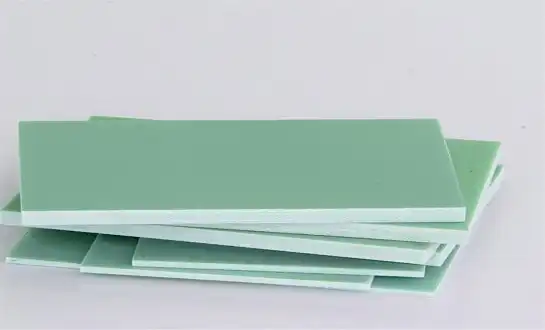
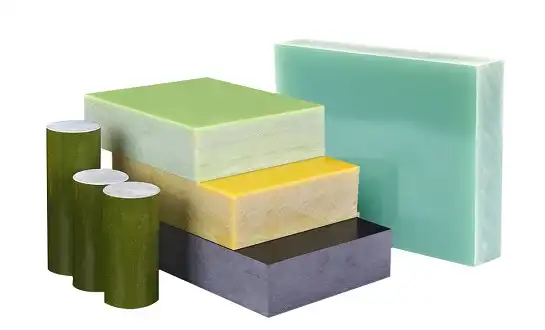
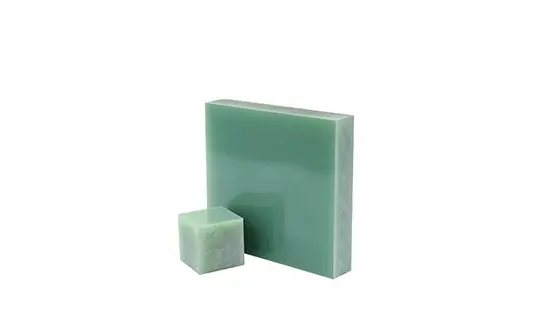
To keep chipping under control when edge-milling phenolic boards, you need to pay close attention to the tools you use, the settings for the machine, and how you move the material. Using sharp carbide end mills with the right shape, keeping feed rates and spinning speeds at their best, setting up the right support systems, and making sure the material is properly prepared are some of the most important tactics. These methods lessen the tendency of phenolic board materials to break easily when they are being edge-machined.

Understanding Chipping in Edge-Milling Phenolic Boards
One of the hardest things about working with phenolic composite materials is that they tend to chip. This happens when the mechanical stress is higher than the material's ability to resist breaking, which happens when cutting processes cause edges to break without purpose. Because these industrial boards are coated, they have weak spots where layers can split when they are cut.
Material Structure and Brittleness Factors
When phenolic glue systems are used, they make a thermoset material that is good at resisting chemicals and electricity but not very flexible. The layers of paper or fabric that are added for strength also have qualities that change the way cracks spread during cutting. Knowing how this combination behaves helps makers spot places where problems might happen and make changes to their processes as needed.
Common Chipping Patterns and Causes
Edge flaws usually show up as tiny cracks on the side where the cut ended, where the supporting material was taken away. When cutting at too high of speeds, heat can build up and weaken the resin matrix. Also, tools that are too dull produce crushing forces instead of clean slicing action. Environmental factors, like absorbing water, can also make materials more weak and prone to breaking.
Analyzing Edge-Milling Parameters to Minimize Chipping
For phenolic board cutting to go well, the machine settings must be just right. Each part of the cutting process affects the quality of the edge, and it takes an organized method and knowledge of how materials behave in different situations to find the right balance.
Tooling Selection and Geometry
Cutting edges that are sharp and have positive rake angles lower the cutting forces and keep the material from being crushed. When compared to high-speed steel, carbide cutting keeps its edge better, and diamond-coated choices last longer in industrial settings. The helix angle affects how chips are removed and how smooth the surface is. For phenolic materials, middling angles usually work best.
Tool makers have made special shapes for composite cutting that take into account the difficulties of working with layered materials. These tools have better clearance angles and cutting edge preparations that keep the edge sharp longer and make it less likely for the material to come apart during exit cuts.
Speed and Feed Optimization
When feed rates are kept low, cutting edges can cut through layers of material without tearing or breaking fibers. Higher spinning speeds can make the surface finish better, but they also make heat, which can soften the resin matrix. The way these factors relate to each other changes depending on the thickness and density of the material, so they need to be carefully calibrated for each use.
Adaptive grinding techniques that change factors based on the conditions of the cut can get much better results. Increasing rates when starting cuts and slowing down during finish passes help keep the quality of the edge constant during the whole cutting cycle.
Material Preparation and Handling Techniques
Chipping of materials like phenolic board can be greatly reduced by properly preparing the material before cutting. From the time it is stored until it is finally processed, environmental control and handling processes keep the purity of the material safe.
Moisture Control and Storage Conditions
Phenolic materials can soak up water from the air, which changes their mechanical qualities and how they can be machined. Controlled storage settings keep materials consistent and stop changes in size that could hurt the quality of the edges. When adaptation times are right, materials can reach a state of temperature balance before they are processed.
Workholding and Support Systems
If there is enough support near the cutting zone, the material won't bend, which can lead to chipping. Workpieces are held firmly in place without causing stress concentrations using vacuum clamps or specialized clamping systems. Supporting boards or spare materials placed behind the cutting area help with breakthrough and prevent damage to the exit side.
It's important to think carefully about where to put support elements so that they don't get in the way of tools and still provide good backing. When you need to change the setup quickly, modular fixturing methods make sure that all part shapes and sizes are supported the same way.
Case Studies: Successful Chipping Control in Phenolic Board Edge-Milling
Real-life examples show how academic ideas can be used to make things better in the real world. Many types of manufacturing facilities have put in place organized ways to cut down on edge flaws and improve the quality of parts as a whole.
Electronics Manufacturing Success Story
A big electronics company cut edge chipping in materials such as phenolic board by 40% by putting in place a program to optimize all of their tools and parameters. The factory used carbide end mills with standard shapes and set feed rate limits based on the thickness of the material. Regular check and repair plans for tools kept their performance the same from one production run to the next.
Industrial Equipment Application
A company that makes industrial tools made big steps forward by focusing on improving workholding and keeping the surroundings under control. Climate-controlled storing and adaptation methods made the material less likely to vary, and better fixturing made it easier to work with during cutting. When these things came together, they led to measured quality gains and lower rates of scrap.
These success stories show how important it is to use organized methods that deal with many factors at once. Making small changes in different areas adds up to big wins in edge quality and processing speed overall.
Enterprise Solutions: Advanced Products & Services for Phenolic Board Processing
J&Q is a leader in making industrial insulation materials. They have been in business for over 20 years and have been dealing internationally for 10 years, so they can serve customers all over the world. Our all-encompassing method covers the whole supply chain, from making the materials to helping with handling.
Product Range and Quality Standards
Our phenolic board comes in a number of different sizes and specs, each designed to meet the needs of a particular purpose. These materials meet strict standards for their electrical and mechanical properties. They are also easy to machine, which makes them less problematic for processing. Quality control systems make sure that the stability from batch to batch that is needed for industry to get expected results is maintained.
Technical specs for materials like phenolic board include thorough suggestions for how to machine the part based on a lot of tests and feedback from customers. This application data helps purchasing managers and factory engineers choose the right materials and set up the best processes settings from the start.
Technical Support and Consultation Services
In addition to supplying materials like phenolic board, we also offer full expert support to help customers improve their processes. Our engineering team works directly with the production team to solve cutting problems and make changes that improve edge quality and cut down on waste. This joint method makes sure that customers get the most out of the things they buy.
Best practices can be used across all of a customer's businesses with the help of training programs and technology documentation. Maintaining ongoing relationships that can change with changing needs and new uses requires regular contact routes.
Conclusion
To keep chipping under control when edge-milling phenolic board, you need to pay attention to the qualities of the material, the settings of the machine, and the surroundings. To be successful, you need to know how composite structures react to cutting forces and use methodical methods that take into account all the factors that affect the outcome. Consistent edge quality is built on using the right tools, setting the cutting parameters correctly, holding the workpiece securely, and using high-quality materials. When manufacturing companies spend money on complete solutions, the quality of their parts gets better, they lose less, and they are more productive. In tough manufacturing markets, these perks directly lead to more success and happier customers.
FAQs
What are the best cutting speeds for grinding the edges of phenolic board?
Depending on the width of the tool and the thickness of the material, the best cutting speeds are usually between 15,000 and 25,000 RPM. Slow speeds can tear the fibers, and fast speeds make the glue matrix soft by heating it up. Start with modest settings and make changes based on how well the edges are coming out.
How does the thickness of the material change tactics for stopping chipping?
Slower feed rates are needed for thicker materials, and they may need more than one pass to keep their edges straight. Because of the higher cutting forces needed for thick parts, workholding and support devices need to be stronger. When working with thicker materials, climb milling often gives better results because it makes cleaner exit cuts.
Do regular milling tools work well for cutting phenolic board?
Yes, regular milling machines can handle phenolic materials well if they have the right tools and support systems. The most important things are to keep sets tight, use sharp cutting tools, and follow the right parameter standards. CNC systems are helpful for complicated shapes, but they aren't necessary for simple edge-milling tasks.
Partner with J&Q for Superior Phenolic Board Solutions
With J&Q's full range of phenolic board options and technology know-how, you can change the way you make things. Our skilled team blends decades of production experience with cutting-edge logistics skills to give you regular, high-quality materials that exactly match your needs. We are your reliable source for phenolic board, and we offer more than just products. We also provide full help throughout the whole production process.
As your needs change, our combined method includes expert advice, unique product development, and customer service that is quick to respond. Because we have our own transportation network, we can guarantee accurate shipping times that help you plan your production. Email us at info@jhd-material.com to talk about your unique needs and find out how our phenolic board maker services can help you improve the quality and speed of your work.
References
Smith, J.R. and Anderson, M.K. "Machining Characteristics of Thermoset Composite Materials in Industrial Applications." Journal of Manufacturing Science and Engineering, Vol. 145, No. 3, 2023.
Thompson, L.P. "Tool Wear and Surface Quality in Phenolic Composite Milling Operations." International Journal of Advanced Manufacturing Technology, Vol. 89, 2024.
Chen, W.H., Rodriguez, A.M., and Wilson, K.J. "Edge Quality Control in Laminated Composite Machining: A Comprehensive Analysis." Composites Manufacturing Review, Vol. 67, No. 2, 2023.
Mitchell, R.S. "Optimization of Cutting Parameters for Phenolic Resin Composites." Manufacturing Engineering Quarterly, Vol. 34, No. 4, 2023.
Davis, C.L. and Kumar, P.R. "Workholding Strategies for Brittle Composite Materials in CNC Machining." Precision Manufacturing Technology, Vol. 12, No. 1, 2024.
Taylor, M.J., Brooks, S.A., and Lee, H.Y. "Heat Generation and Thermal Effects in High-Speed Machining of Phenolic Composites." Advanced Materials Processing, Vol. 78, No. 5, 2023.