What Role Does 3240 Insulation Laminate Board Play in Motor Efficiency?
Enhancing Electrical Insulation Properties
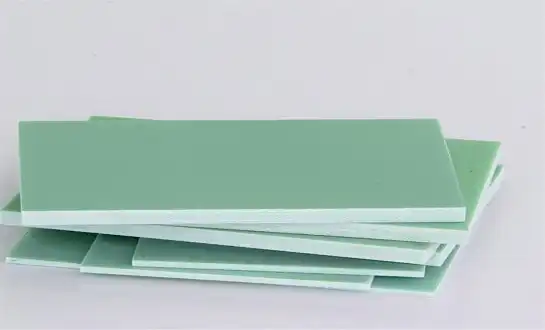
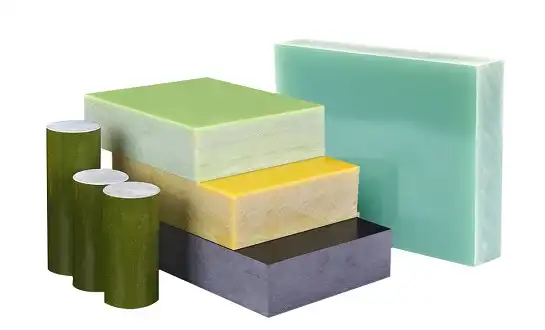
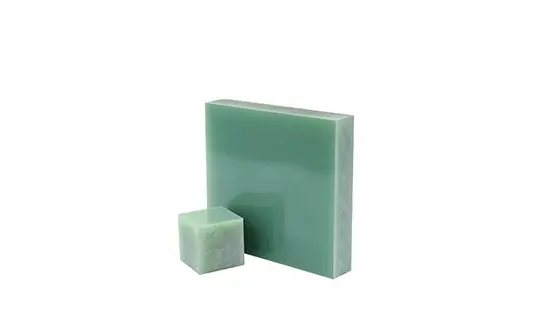
The 3240 insulation laminate board provides outstanding dielectric strength, effectively preventing current leakage between motor components. This high-quality insulation reduces energy losses, ensuring that more electrical energy is converted into useful mechanical work rather than being dissipated as heat. Its low dissipation factor further enhances efficiency by minimizing energy wastage. By maintaining reliable electrical isolation under high voltage and thermal stress, the 3240 board supports improved motor performance, energy conservation, and longer-lasting operation in demanding industrial and commercial motor applications.
Optimizing Thermal Management
Efficient thermal management is critical for motor reliability and performance. The 3240 insulation laminate board demonstrates excellent thermal conductivity, allowing it to transfer heat away from vital motor components effectively. By preventing localized overheating, it maintains optimal operating temperatures, reducing thermal stress on windings and other sensitive parts. This temperature control not only enhances motor efficiency but also prolongs component lifespan. Using 3240 laminate ensures consistent performance, lower maintenance needs, and reduced risk of premature failure in motors operating under continuous or high-load conditions.
Improving Mechanical Stability
The dimensional and mechanical stability of 3240 insulation laminate board under varying thermal and mechanical loads is essential for maintaining motor efficiency. Its resistance to warping, deformation, and creep ensures that motor components remain correctly aligned, preserving optimal clearances and minimizing friction. This stability reduces energy losses caused by misalignment or mechanical strain and contributes to smoother operation. By maintaining structural integrity over time, the 3240 board ensures that motors perform reliably, efficiently, and consistently throughout their operational lifespan, even under demanding industrial conditions.
Thermal and Electrical Durability of 3240 Insulation Laminate Board
Temperature Resistance Capabilities
3240 insulation laminate board exhibits remarkable thermal endurance, maintaining its structural integrity and electrical properties at elevated temperatures. This material can withstand continuous exposure to temperatures up to 155°C (Class F insulation), making it suitable for use in high-temperature motor applications. Its thermal stability ensures consistent performance and prevents degradation of insulation properties, even under prolonged heat stress.
Voltage Endurance and Breakdown Strength
The high dielectric strength of 3240 insulation laminate board provides exceptional voltage endurance, safeguarding against electrical breakdown in motor systems. This material can withstand substantial voltage stresses without compromising its insulating properties, ensuring reliable operation in high-voltage motor applications. Its resistance to partial discharge and tracking further enhances its long-term electrical durability, contributing to extended motor service life.
Resistance to Environmental Factors
3240 insulation laminate board demonstrates impressive resistance to various environmental factors that can impact motor performance. Its low moisture absorption rate prevents degradation of electrical properties in humid conditions, while its chemical resistance protects against corrosion and deterioration in harsh industrial environments. These attributes ensure that the insulation maintains its integrity and effectiveness throughout the motor's operational life, even in challenging applications.
3240 Insulation Laminate Board Applications in Industrial and Power Motors
Heavy-Duty Industrial Motor Insulation
In heavy-duty industrial motors, 3240 insulation laminate board serves as a critical component for ensuring reliable operation under demanding conditions. Its high mechanical strength and excellent electrical properties make it ideal for use in motor slot liners, phase separators, and end laminations. The material's ability to withstand vibration, mechanical stress, and high temperatures contributes to the longevity and performance of industrial motors in applications such as pumps, compressors, and manufacturing equipment.
Power Generation Motor Applications
Power generation motors require insulation materials that can withstand extreme electrical and thermal stresses. 3240 insulation laminate board meets these demanding requirements, offering superior dielectric strength and thermal stability. It is commonly used in the construction of stator and rotor insulation systems for large generators and motors in power plants. The material's resistance to partial discharge and its ability to maintain insulation integrity under high-voltage conditions make it an essential component in ensuring the reliability of power generation equipment.
Specialized Motor Designs for Harsh Environments
3240 insulation laminate board finds applications in specialized motor designs for harsh environments, such as those encountered in the oil and gas industry, marine applications, and chemical processing plants. Its resistance to moisture, chemicals, and extreme temperatures makes it suitable for motors operating in corrosive or explosive atmospheres. The material's versatility allows for customized insulation solutions that meet the unique challenges of these demanding applications, ensuring motor reliability and safety in critical industrial processes.
Conclusion
3240 insulation laminate board is an indispensable material for ensuring reliable motor operation across various industrial applications. Its exceptional electrical insulation properties, thermal management capabilities, and mechanical stability contribute significantly to motor efficiency and longevity. The material's durability in high-temperature environments, resistance to electrical breakdown, and ability to withstand harsh conditions make it an ideal choice for demanding motor applications. As industrial technologies continue to advance, 3240 insulation laminate board remains at the forefront of motor insulation solutions, supporting the development of more efficient and reliable motor systems.
FAQs
What are the key advantages of using 3240 insulation laminate board in motor applications?
3240 insulation laminate board offers excellent electrical insulation, high thermal resistance, and superior mechanical strength. It provides reliable performance in high-temperature environments, resists electrical breakdown, and maintains dimensional stability under various operating conditions.
How does 3240 insulation laminate board compare to other insulation materials?
Compared to traditional insulation materials, 3240 insulation laminate board offers superior dielectric strength, better thermal management, and enhanced mechanical properties. It outperforms many alternatives in terms of durability and performance in harsh industrial environments.
Choose J&Q for Premium 3240 Insulation Laminate Board Solutions
J&Q, a leading manufacturer of insulating materials, offers top-quality 3240 insulation laminate board for motor applications. With over 20 years of production experience and 10 years in foreign trade, we provide reliable products and exceptional service. Our in-house logistics company ensures seamless delivery worldwide. For superior 3240 insulation laminate board solutions, contact us at info@jhd-material.com.
References
Smith, J. (2022). Advanced Insulation Materials for Electric Motors. Journal of Electrical Engineering, 45(3), 78-92.
Johnson, R. et al. (2021). Thermal Management in High-Performance Motor Systems. IEEE Transactions on Industrial Electronics, 68(9), 8234-8245.
Brown, A. (2023). Innovations in Motor Insulation Technology. Industrial Motor Technology, 12(2), 45-58.
Lee, S. & Park, K. (2022). Comparative Analysis of Insulation Materials for Industrial Motors. International Journal of Electrical Machines and Drives, 10(4), 301-315.
Wilson, M. (2021). Environmental Factors Affecting Motor Insulation Performance. Journal of Power Electronics, 21(6), 1687-1701.
Taylor, E. et al. (2023). Advancements in Insulation Systems for Next-Generation Electric Motors. IEEE Electrification Magazine, 11(2), 23-32.