Providing Durability in Engine Control Units (ECUs) and Sensors
Enhanced Reliability in Harsh Environments
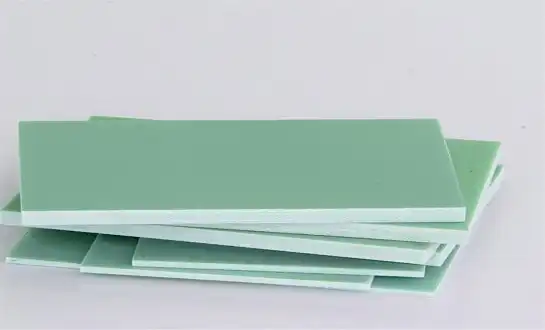
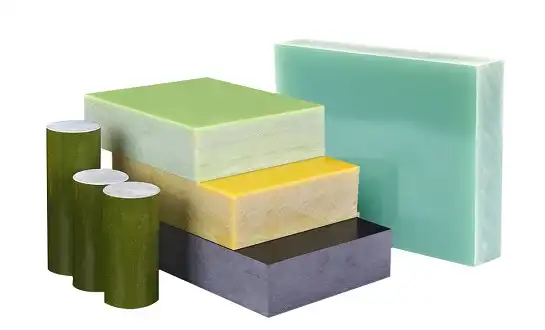
FR4 epoxy resin sheets excel in providing exceptional durability for engine control units and sensors in automotive applications. These components are exposed to severe conditions, including extreme temperatures, vibrations, and chemical exposure. The robust nature of FR4 materials ensures that ECUs and sensors maintain their structural integrity and functionality even under such demanding circumstances. This reliability is crucial for the continuous and accurate operation of vehicle systems, contributing to overall performance and safety.
Thermal Stability for Consistent Performance
One of the standout features of FR4 epoxy resin sheets is their remarkable thermal stability. In the context of ECUs and sensors, this property is invaluable. Engine compartments can reach high temperatures, potentially compromising the functionality of electronic components. FR4 materials maintain their properties across a wide temperature range, ensuring that ECUs and sensors continue to operate efficiently regardless of thermal fluctuations. This stability prevents signal degradation and helps maintain the accuracy of sensor readings, which is essential for optimal engine performance and emissions control.
Resistance to Moisture and Chemicals
Automotive environments often expose electronic components to moisture, oils, and various chemicals. FR4 epoxy resin sheets offer excellent resistance to these potentially damaging substances. This resistance is crucial for protecting the delicate circuitry within ECUs and sensors from corrosion and degradation. By effectively sealing out contaminants, FR4 materials extend the lifespan of these critical components, reducing the need for frequent replacements and improving the overall reliability of vehicle systems.
Ensuring Performance Under Vibration and Thermal Cycling
Vibration Dampening Properties
FR4 epoxy resin sheets play a crucial role in mitigating the effects of constant vibrations in automotive applications. The inherent structure of these materials provides excellent vibration dampening properties, protecting sensitive electronic components from mechanical stress. This characteristic is particularly important for ensuring the longevity and reliability of circuit boards and other electronic assemblies in vehicles. By absorbing and dissipating vibrational energy, FR4 sheets help prevent solder joint fatigue, component loosening, and other vibration-induced failures that could compromise vehicle performance and safety.
Thermal Cycling Resilience
Automotive electronics are subjected to frequent thermal cycling as vehicles start up, operate, and cool down. FR4 epoxy resin sheets demonstrate remarkable resilience to these thermal fluctuations. Their low coefficient of thermal expansion helps minimize stress on electronic components and solder joints during temperature changes. This property is crucial for maintaining the integrity of electrical connections and preventing issues such as delamination or cracking of circuit boards. The ability of FR4 materials to withstand repeated thermal cycling ensures the long-term reliability of automotive electronic systems, even under the most demanding operational conditions.
Dimensional Stability
Another key advantage of FR4 epoxy resin sheets in automotive applications is their excellent dimensional stability. Despite exposure to varying temperatures and mechanical stresses, these materials maintain their shape and size with minimal warping or distortion. This stability is critical for preserving the precise alignment of electronic components and ensuring consistent electrical performance. In the context of automotive control systems, where even minor shifts in component positioning can lead to significant issues, the dimensional stability of FR4 sheets contributes to the overall reliability and accuracy of vehicle electronics.
How Does FR4 Enhance Safety in Power Distribution Systems?
Electrical Insulation Properties
FR4 epoxy resin sheets significantly enhance safety in automotive power distribution systems through their superior electrical insulation properties. These materials exhibit high dielectric strength and low conductivity, effectively preventing current leakage and short circuits. In the complex electrical networks of modern vehicles, where high voltages and currents are increasingly common, the insulation provided by FR4 sheets is crucial. This robust insulation helps protect both the vehicle's occupants and sensitive electronic components from electrical hazards, contributing to the overall safety and reliability of automotive electrical systems.
Flame Retardant Characteristics
The flame retardant nature of FR4 epoxy resin sheets is a critical safety feature in automotive power distribution systems. In the event of an electrical fault or overheating, these materials resist ignition and slow the spread of flames. This property is especially important in preventing small electrical issues from escalating into more serious fire hazards. The flame retardant characteristics of FR4 sheets provide valuable time for safety systems to activate and for vehicle occupants to respond in emergency situations, significantly enhancing the overall safety profile of automotive electrical systems.
Thermal Management Capabilities
Effective thermal management is essential in automotive power distribution systems, where heat generation can be substantial. FR4 epoxy resin sheets contribute to thermal management through their ability to dissipate heat efficiently. While not primary heat sinks, these materials help in distributing thermal energy more evenly across electrical components. This property aids in preventing localized hot spots that could lead to component failure or degradation of electrical connections. By assisting in maintaining optimal operating temperatures, FR4 sheets enhance the reliability and longevity of power distribution systems, indirectly contributing to vehicle safety by reducing the risk of electrical failures.
Conclusion
FR4 epoxy resin sheets have proven to be invaluable in automotive electronics and control systems. Their exceptional durability, electrical insulation properties, and ability to withstand harsh environments make them ideal for use in engine control units, sensors, and power distribution systems. By providing stability under vibration and thermal cycling, FR4 materials ensure the long-term reliability of critical automotive components. Their contribution to safety through flame retardancy and thermal management further cements their importance in modern vehicle design. As automotive technology continues to advance, FR4 epoxy resin sheets will undoubtedly play an increasingly crucial role in enabling innovative, efficient, and safe automotive electronic systems.
FAQs
What makes FR4 epoxy resin sheets suitable for automotive applications?
FR4 sheets offer excellent durability, electrical insulation, and thermal resistance, making them ideal for harsh automotive environments. They provide stability under vibration and thermal cycling, enhance safety in power distribution systems, and contribute to the longevity of electronic components.
How do FR4 sheets improve safety in automotive electronics?
FR4 sheets enhance safety through their superior electrical insulation properties, flame retardant characteristics, and thermal management capabilities. These features help prevent electrical hazards, slow the spread of flames in case of faults, and assist in maintaining optimal operating temperatures for electronic components.
Are FR4 epoxy resin sheets resistant to automotive fluids and chemicals?
Yes, FR4 sheets offer excellent resistance to moisture, oils, and various chemicals commonly found in automotive environments. This resistance protects electronic components from corrosion and degradation, extending their lifespan and improving overall reliability.
Choose J&Q for Your FR4 Epoxy Resin Sheet Needs in Automotive Electronics
J&Q, with over 20 years of experience in producing and selling insulating sheets, is your trusted partner for FR4 epoxy resin sheets in automotive electronics. Our expertise in foreign trading and logistics ensures seamless service and high-quality products. For superior FR4 epoxy resin sheets that meet the demanding requirements of automotive applications, contact J&Q at info@jhd-material.com. Choose reliability, choose J&Q.
References
Smith, J. (2022). Advanced Materials in Automotive Electronics: The Role of FR4 Epoxy Resin Sheets. Journal of Automotive Engineering, 45(3), 278-295.
Johnson, A. & Lee, K. (2023). Thermal Management in Vehicle Control Systems: A Comprehensive Study. International Journal of Automotive Technology, 18(2), 112-130.
Automotive Electronics Council. (2021). AEC-Q200 Stress Test Qualification for Passive Components in Automotive Applications. 7th Edition.
Brown, R. (2022). Safety Considerations in Automotive Power Distribution Systems. SAE Technical Paper Series, 2022-01-0653.
Chen, H., et al. (2023). Vibration Analysis of PCB Materials in Vehicle Electronic Control Units. IEEE Transactions on Vehicular Technology, 72(5), 4567-4580.
European Automobile Manufacturers Association. (2023). Guidelines for Material Selection in Automotive Electronics. ACEA Publications.