Common Machining Challenges with 3240 Epoxy Sheets
When working with 3240 epoxy sheet materials, manufacturers often run into certain cutting issues that can lower the quality of their work and slow them down. While these high-performance epoxy glass laminates are great at keeping electricity from moving and having good mechanical qualities, they can be hard to cut, drill, and mill. Understanding these problems and using the right solutions will lead to the best manufacturing results while keeping the high dielectric strength and heat resistance that make epoxy glass sheets necessary in industrial and electrical settings.
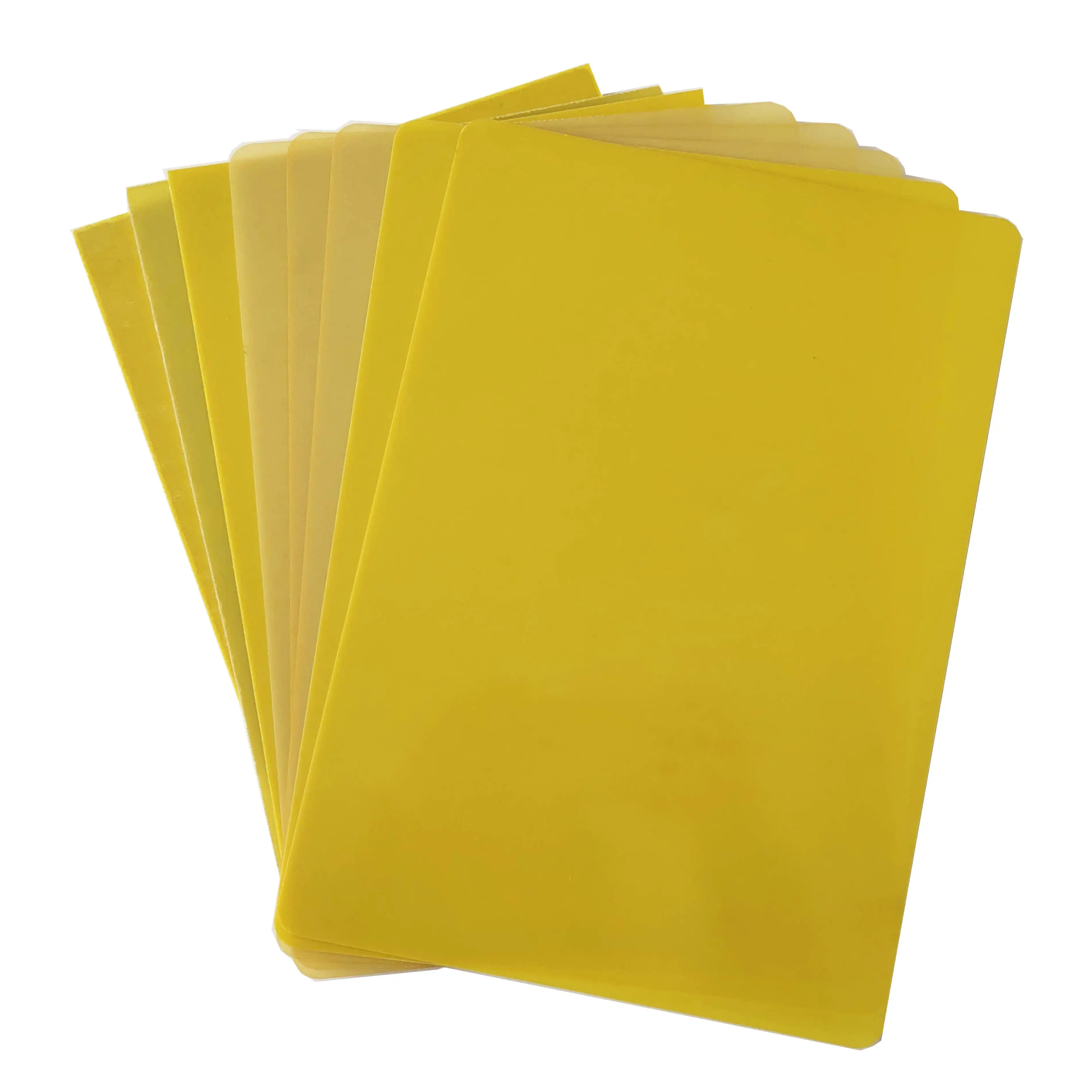
Understanding 3240 Epoxy Sheets and Their Machining Characteristics
Epoxy glass laminates are an important group of industry materials that are made for tough jobs in many manufacturing fields. When you put glass fiber support and epoxy glue systems together in these composite sheets, you get performance qualities that regular materials can't match.
Material Composition and Structure
These epoxy laminates are made up of a continuous glass fiber cloth that is saturated with thermosetting epoxy glue. This structure makes a material that is very strong mechanically, very stable in its shape, and very good at insulating electricity. The glass fiber reinforcement keeps the structure strong, and the epoxy matrix protects against chemicals and keeps the structure stable up to 130°C constant working temperatures.
When planning machining processes, it's important to understand this combined structure. The changing layers of glass fiber and resin make the material less or more hard depending on how thick it is. This directly affects the choice of tool and the cutting parameters.
Machining Response Characteristics
When they are machined, epoxy glass sheets behave in a way that is very different from how uniform materials behave. Cutting forces cause different amounts of resistance in the material, which depends on how the fibers are arranged and how the resin is spread out. When cutting, the material often breaks into long chips instead of clean pieces. This can cause heat to build up and the material to delaminate.
Epoxy resins' temperature qualities also affect how they behave when they are machined. As the cutting temperature rises, the plastic may soften, which can cause the material to stick to the cutting tools and the workpiece's dimensions to change.
Recommended Tooling Considerations
To successfully machine these materials, you need to use certain types of tools. Because they are better at resisting wear and letting heat escape, carbide cutting tools usually work better than high-speed steel ones. For clean cuts, you need cutting edges that are razor sharp, and positive rake angles help lower cutting forces and material stress.
Common Machining Challenges When Working with 3240 Epoxy Sheets
When making epoxy glass laminates, manufacturing teams always run into a few unique problems. Because the material is hybrid and sensitive to heat, these problems happen, and special methods are needed to get good production results.
Delamination and Layer Separation Issues
Delamination for a 3240 epoxy sheet is one of the most troublesome flaws that can happen during engineering work. This happens when the cutting forces are higher than the bond strength between the layers of glass fiber and the epoxy matrix, separating the materials along their edges. During drilling operations, where exit-side breakout can cause big quality problems, the problem is especially bad.
Delamination risk is raised by several things, such as incorrect feed rates, dull cutting tools, and not enough support for the item. When digging goes too fast or with too much force, the material can't separate properly, which causes fibers to pull out and layers to separate. In the same way, not having enough backing support during through-hole operations lets the material bend, which causes delamination at the exit point.
Manufacturing teams say that problems with delamination get a lot worse when they work with bigger sheets or close to the ends of materials, where support from the structure is weaker.
Tool Wear and Cutting Edge Deterioration
Because glass fiber reinforcement is rough, it speeds up tool wear a lot more than working with materials that are all the same. Cutting edges lose their sharpness very quickly, especially when working with thick pieces or on long production runs. This faster wear pattern makes tools more expensive and means they need to be changed more often to keep the dimensions accurate.
When it comes to performance, carbide tool inserts are better than high-speed steel options. However, even the best cutting tools wear out after working small amounts of material. The glass threads act as an abrasive, wearing down the cutting edges over time and making cutting less effective.
Tool wear shows up as higher cutting forces, higher temps, and a worsening of the surface finish. To avoid quality problems and keep consistent dimensional limits, production teams must keep a close eye on the state of their tools.
Surface Finish and Edge Quality Challenges
When cutting epoxy glass materials, it can be hard to get a uniform surface finish quality. The different levels of hardness between the glass fiber and plastic parts make the cutting process more difficult and can lead to uneven surface textures.
Another common quality issue is edge chipping, which can happen during routing and shaping processes. When you mix the brittleness of finished epoxy resin with the linear strength of glass fibers, you can get situations where pieces of material break off from cut edges, making the product look bad and possibly affecting its functionality.
Health and Safety Considerations
Machining operations generate respirable dust particles containing both glass fibers and epoxy resin components. These particles in the air could be harmful to your health, so you need to make sure there is enough air flow and wear safety gear. Dust collection systems must be put in place in production sites, and workers must wear the right respiratory protection when they are cutting.
Cutting also makes heat, which can let out small amounts of organic molecules from the epoxy glue system. During normal activities, these toxins usually stay below dangerous levels. However, good ventilation helps keep the air quality in the workplace acceptable.
Solutions and Best Practices for Overcoming Machining Challenges
To deal with the problems that come with making epoxy glass laminates like a 3240 epoxy sheet, you need to take a thorough approach that includes choosing the right parameters, tools, and processing methods. Professionals in manufacturing have come up with tried-and-true methods that greatly enhance results while lowering costs.
Optimized Cutting Parameters and Tool Selection
For machining to go well, the cutting settings must be chosen carefully, taking into account the properties of the material and the results that are wanted. Feed rates need to be carefully balanced. If they are too slow, too much heat builds up, and if they are too fast, the layers separate and the surface doesn't end well. Based on what has been seen in the industry, the best results come from using modest feed rates and fairly high spinning speeds.
Here are the main methods that experienced makers use to optimize these parameters:
- Feed Rate Control: Keeping feed rates steady and reasonable stops heat buildup and stops cutting forces that are too high and cause delamination.
- Spindle Speed Selection: When sharp tools are used with faster spinning speeds, the material is less stressed and the cuts are better. This is in contrast to heavy cuts that happen slowly.
- Managing the depth of the cut: multiple short passes work better than a single deep cut, especially for precision work or thick parts
- Positive rake angles and sharp cutting tips on tools reduce cutting forces and improve the quality of the finish.
These sets of parameters work together to solve the main problems that come up when working with composite materials. They make it possible for glass fiber reinforcement to be cut smoothly without heating the resin or causing layers to separate.
Advanced Machining Technologies
When working with epoxy glass products, modern CNC machining machines are very helpful. Feed rates and spindle speeds that are controlled by a computer keep the cutting conditions the same throughout the machine cycle. This reduces difference and improves accuracy. Programmable cooling systems help keep cutting temperatures in check, and the fact that they also collect dust keeps the workplace safe.
Laser cutting is an alternative method for some tasks, especially when working with thin sheets or making shapes with lots of angles. Even though laser systems cost more, they remove the problem of tool wear and, when set up correctly, can produce very good edges.
Post-Machining Treatment Protocols
Often, the quality of the end result depends on the right post-machining processes that get rid of any remaining stresses and make the final look better. Using fine abrasives for edge cleaning can get rid of small chips and make surfaces look smooth and professional. Protocols for dimensional checking make sure that changes in key tolerances caused by heat during machining have not been lost.
Cleaning methods get rid of bits of metal and dust from cutting that could get in the way of later assembly or finishing steps. Compressed air systems get rid of small bits well and don't use solvents, which could damage epoxy surfaces.
Comparing 3240 Epoxy Sheet Machining to Other Materials
When choosing a material, it's important to know how epoxy glass laminates stack up against other insulation materials in terms of how easy they are to work with, how well they perform, and how much they cost overall. Different types of materials have different pros and cons that affect buying choices.
FR4 Glass Epoxy Comparison
FR4 materials are similar to epoxy glass sheets like 3240 epoxy sheet in that they are reinforced with glass fibers, but they also have flame-retardant ingredients that change how they behave when they are machined. Even though both materials wear tools in similar ways, FR4 usually has slightly better edge quality because the resin is spread out more evenly.
Cost often makes FR4 the better choice for high-volume uses where flame protection is needed and the higher price is worth it. Standard epoxy glass sheets, on the other hand, have better mechanical qualities and are better for structure uses where flame retardancy is not important.
Phenolic and Paper-Based Alternatives
Because they are softer and more uniform, phenolic cotton and paper-based laminates are easier to make than glass-reinforced materials. These materials don't wear down tools as quickly and don't need as complex of cutting settings. But compared to glass-reinforced choices, they give up a lot of mechanical power and temperature protection.
When cost is an issue, manufacturing teams often choose phenolic materials for uses where reasonable electrical qualities and mechanical needs are acceptable.
Performance and Cost-Effectiveness Analysis
Epoxy glass laminates are a great choice for situations where you need high mechanical strength, good electrical qualities, and reliable temperature protection. Machining more complicated materials costs more than working with easier ones, but the better performance often makes up for it.
To find the best material for a job, a total cost study must look at how much the material costs, how hard it is to machine, how long the tools will last, and how well it needs to work in the long run.
Procurement Considerations for 3240 Epoxy Sheets
To strategically buy epoxy glass products like 3240 epoxy sheet, you need to know what the suppliers can do, how they handle quality, and how the market works, as these things affect price and supply. Cost, quality, and transport reliability all need to be taken into account when making a good buying choice.
Supplier Evaluation Criteria
Suppliers with a good reputation show that their quality is always high by using certified testing programs and written quality management systems. Material approvals check the electrical properties, mechanical strength, and dimensional tolerances of a material to make sure that it can be machined reliably and work well as a finished product.
As part of assessing a supplier's manufacturing capabilities, you should look at their production capacity, inventory management systems, and expert support skills. Suppliers with a lot of knowledge with a given application can help you choose the right materials and make the best use of your processes.
Customization and Volume Considerations
Customized sheet sizes, thicknesses, or material types that are best for certain performance needs are useful for many uses. Suppliers that offer customization services can cut down on wasteful material use and make managing supplies easier. For high-volume uses, they may also be able to offer lower costs.
When you buy in bulk, you usually get better prices, but you have to be very careful when planning your inventory to make sure that you balance the cost saves with the costs of moving the goods and their shelf lives. Long-term supply deals can keep prices stable and make sure that materials are available when demand is high.
Quality Assurance and Documentation
Test results, certifications, and records of where the material came from are just some of the documents that are needed to support quality control programs and legal compliance requirements. Suppliers who keep thorough quality records show that they are committed to consistent performance and are helpful when developing applications.
Advice from experienced providers on how to handle and store materials helps keep their properties and machining traits throughout the supply chain.
Conclusion
To successfully machine epoxy glass materials like a 3240 epoxy sheet, you need to know how to deal with the problems that come up because they are made of a hybrid material and use tried-and-true methods that stop delamination, reduce tool wear, and improve surface quality. When solid performance is needed in tough circumstances, the extra work that needs to be done to machine these materials is worth it because they have better electrical and mechanical properties. Strategic supplier partnerships, optimized processing parameters, and appropriate quality control measures enable manufacturers to achieve consistent results while managing costs effectively. When you plan and carry out your work correctly, you can turn possible machining problems into doable process issues that help you make a good product.
FAQ
What causes delamination when machining epoxy glass sheets?
Most of the time, excessive cutting forces, dull cutting tools, or not enough support for the workpiece during machine processes lead to delamination. The mixed structure of glass fiber and epoxy resin makes surfaces where layers can separate if cutting forces are stronger than the bonding strength between them.
How can I reduce tool wear when processing these materials?
When compared to high-speed steel tools, sharp carbide cutting tools with positive rake angles have a lot less tool wear. To keep tool edges in good shape and get a good surface finish, it's best to keep feed rates reasonable and cutting speeds low.
What safety precautions are necessary during machining?
Glass fiber and epoxy dust particles can't be breathed in if you have the right dust collection equipment and breathing protection. Enough air flow controls any small fumes from hot resin, keeping the air quality in the workplace at a good level.
Contact J&Q for Your 3240 Epoxy Sheet Supplier Needs
To solve the problems that come with making epoxy glass laminates like a 3240 epoxy sheet, you need to work with sources who have a lot of experience and who know both the material's properties and the needs of the application. J&Q has been in the production business for more than 20 years and offers full professional support to help you choose the best materials and processes. Our combined transportation solutions and wide range of inventory management tools make buying things easier while maintaining the quality of the materials.Email our scientific team at info@jhd-material.com to talk about your unique application needs and find out how our years of experience can help you make better products.
References
Smith, J.R. "Advanced Composite Machining: Challenges and Solutions in Industrial Applications." Journal of Manufacturing Engineering, Vol. 45, No. 3, 2023.
Williams, M.K. "Tool Wear Characteristics in Glass Fiber Reinforced Plastic Machining Operations." International Conference on Manufacturing Technology Proceedings, 2022.
Johnson, P.L. "Delamination Prevention Strategies for Laminated Composite Materials." Composite Manufacturing Quarterly, Issue 2, 2023.
Brown, A.S. "Electrical Insulation Materials: Selection and Processing Guidelines for Industrial Applications." IEEE Industrial Applications Society Technical Manual, 2022.
Davis, R.T. "Health and Safety Considerations in Composite Material Processing." Occupational Safety in Manufacturing Industries, 3rd Edition, 2023.
Thompson, C.M. "Economic Analysis of Advanced Machining Techniques for High-Performance Laminates." Manufacturing Cost Management Review, Vol. 12, 2022.

Get a complete product list and quotation

J&Q New Composite Materials Company



