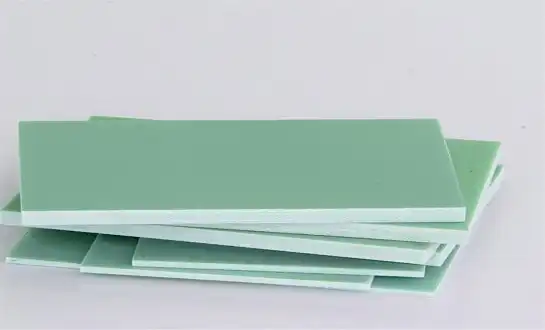
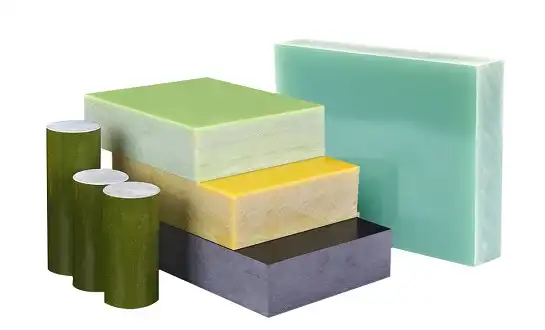
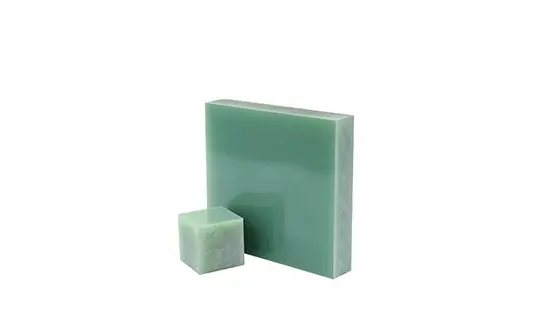
CNC Machining Custom Bakelite Products Bakelite Sheet
Electrical insulation parts that are precisely machined from Bakelite sheet are a reliable choice for engineering managers and procurement teams. They combine the dependability of the past with the flexibility of modern CNC modification. This phenolic resin-bonded material has great insulating strength, can handle heat up to 300°F, and is mechanically stable. For more than one hundred years, this material has been used in circuit breakers, switchgear, transformer spacers, and industrial machinery. While thermoplastics weaken when heated, Bakelite's thermoset structure cures forever, maintaining its shape, which is important for electrical safety and long-term use in tough conditions.

Understanding Bakelite Sheets: Composition, Properties, and Manufacturing
The Chemical Foundation of Bakelite
Bakelite was the first manmade plastic made when phenol and formaldehyde came together in a condensation process. This phenolic resin, whose full name is polyoxybenzylmethyleneglycolanhydride, crosses-links molecules during hardening, turning liquid resin into a solid that can't be melted. This change in chemistry is what makes Bakelite resistant to heat without melting, which is a big benefit over later thermoplastics in electrical uses.
The first step in making something is to soak cellulose paper or cotton cloth in liquid phenolic glue. Heat and pressure are applied to stacked layers in hydraulic presses. This causes polymerization, which joins the layers into thick, uniform sheets. The lamination method makes a uniform width range of 0.5 mm to 50 mm, which can be used for a wide range of structural and insulation needs. Different fabric bases make different grades. For example, paper-based versions are better at keeping electrical noise out of PCB supports, while cotton-based versions are better at making gears and other structure parts strong.
Key Performance Characteristics
The technical description of Bakelite solves certain problems that come up in industrial buying. Voltage separation in switchgear and distribution panels is safe when the dielectric strength is greater than 12 kV/mm. Motor housings and device parts that are constantly heated don't bend because they have thermal resistance up to 149°C. Arc resistance stops electrical tracking and increases the useful life of materials in high-voltage settings where other plastics break down quickly.
Low moisture absorption—usually less than 1% by weight—keeps dimensions stable in wet places, stopping warping that could mess up assembly standards. Chemical resistance to oils, solvents, and weak acids makes it good for lubrication systems in machinery. The material is naturally flame retardant, so it meets safety standards without any extra processes. This makes it easier for makers to follow the rules.
The Evolution of Manufacturing Techniques
Since Leo Baekeland's new idea in 1907, ways of making things have improved to meet today's standards for quality. Modern makers carefully manage the ratios of resin to fiber, making sure that stability from batch to batch is important for automatic assembly lines. Heat cure profiles now follow exact temperature-time curves that are watched by digital systems. This gets rid of the problems with undercuring and overcuring that existed in the early days of production.
The newest development is CNC machine merging. In the past, pressing and punching made it hard to change the design. Now, computer-controlled cutters, lathes, and milling centers can make complex shapes straight from sheet stock. With this feature, Bakelite sheet goes from being a standard product to a flexible engineering material that can be used to make complicated shapes like bent insulators, threaded bushings, and profiled spacers without having to buy expensive tools.
CNC Machining for Custom Bakelite Products: Precision and Flexibility
Technological Advantages of CNC Processing
Computer numerical control technology changed the way Bakelite was made by getting rid of the physical limits that came with old die-cutting methods. Modern multi-axis CNC cutters can follow complicated tool paths with positional accuracy of +/-0.05 mm. This lets them make parts that fit perfectly into mechanical systems without the need for manual finishing. This repeatability makes sure that the thousandth part is the same as the first. This level of uniformity is important for automatic production lines used in electronics and cars.
CNC lathes can turn round Bakelite stock into threaded insulators, bearing spacers, and rotary switch parts with tight specs that can't be reached by hand. Programmable tool changes let you do sequential operations like drilling, tapping, and contouring within a single setup. This cuts down on handling time and the mistakes that come from having to do multiple fixturing processes. Milling centers are machines that make detailed slots, pockets, and profile edges. This lets useful features like wire channels and mounting bosses be made directly into sheet material.
Custom Component Capabilities
The variety of possible shapes meets the needs of many different industries. Electrical insulator bushings made from Bakelite sheet keep voltages from affecting transformer terminals and switchgear systems. They come in sizes ranging from 5 mm to 200 mm and can be made with thread pitches that match standard hardware. Arc barriers that are precisely cut to fit between high-voltage bus bars stop flashovers from happening in distribution panels.
Motor makers order special bobbins and coil shapes with complex wrapping channels that improve electromagnetic performance while keeping the insulation's integrity. Tool handle blanks are precisely bored and shaped to fit metal shanks. Ergonomic shapes make hand-held electrical tools more comfortable to use. Wear-resistant gears made from phenolic grades of cotton cloth work quietly and stay the same size in textile machines and light-duty power transfer systems.
Quality Assurance and Certification Standards
Reliable providers use multi-stage checking methods to make sure that the dimensions are correct, the surface is smooth, and the material is whole. Coordinate measuring machines (CMM) check that important dimensions match CAD specifications. They do this by collecting statistical process control data that tells us how consistent the production will be in the long run. Surface roughness readings make sure that finishes are smooth, which is needed for electrical uses where voltage stress is concentrated at sharp edges.
Material certification paperwork links batches of phenolic resin to quality records kept by the maker. This proves that the resin meets the requirements of UL 94 for flammability and ROHS rules on dangerous chemicals. Insulation performance is confirmed by checking the dielectric strength and putting sample parts through high-voltage breakdown tests that go beyond the stated service conditions by safety margins. These approvals lower the risk of purchasing things and reassure engineering managers that parts will work well throughout the span of a product.
Advanced providers use ISO 9001 quality management systems to keep records of all the steps they take, from receiving the raw materials to the final inspection. This ability to track back is very helpful when tier-1 suppliers for the car industry check the sources of parts or when electrical safety agencies look into accidents that happened in the field. Shipments with documentation packages make getting checks easier and speed up the approval of parts for production release.
Procurement Guide: How to Source High-Quality Bakelite Sheets and Custom Products
Identifying Qualified Suppliers
Checking out suppliers in more ways than just comparing prices is the first step to a successful purchase. Established Bakelite sheet makers have been in business for decades, which shows that their processes are stable and that they have kept their knowledge. Having a lot of different certifications, like ISO 9001, UL recognition, and industry-specific approvals, shows that you are committed to quality management systems instead of just selling commodities when you can.
The history of OEM partnerships shows the range of capabilities. Suppliers that work with big names in electronics or cars have to go through strict checks to make sure they can meet output needs, provide quick technical support, and keep the supply chain strong. References from engineering teams at similar businesses give you a clear picture of how reliable delivery is, how well technical problems are solved, and how consistent batches are with each other. All of these things affect production plans and product quality.
Material providers are different from true manufacturing partners because they don't offer technical help. Teams of experts help choose the right material grade by comparing the needs of the application to the specs for phenolics to get the best performance and value for money. When engineers work together on samples, they can find early on problems that might come up during production and make changes to the plans before spending money on tools. After delivery, assistance fixes any problems with assembly, keeping production going while new products are being released.
Strategic Ordering Approaches
Strategies for buying in bulk weigh the costs of keeping inventory against big savings and the safety of a steady supply. Electrical companies that have stable production plans discuss yearly contracts that spell out delivery times that are in sync with the rate at which the assembly line pulls. This method locks in good prices and makes sure that materials are available when demand goes up. Shipping by container load lowers the cost of freight per unit, but buyers need to look at storing space and product turnover rates.
Lead times and prices are affected by the amount of customization. Standard sheet sizes and thicknesses are in stock and ready to ship, which makes it easy to make prototypes quickly and get replacements in an emergency. Custom cutting to specific sizes takes an extra three to five business days, but it gets rid of the need for in-house blanking. Full CNC machining of final parts can add two to four weeks to the wait time, but the parts come ready to be put together and don't need any fabrication tools on the customer's end.
In high-mix, medium-volume production settings, batch process control is very important. Progressive sellers use kanban systems or vendor-managed inventory programs to keep track of how much their customers are using and automatically send more goods to them when they run out. This "just-in-time" method keeps production from having to stop because of a lack of supplies, which saves money on working capital.
Pricing Dynamics and Budget Planning
The prices of materials include more than just the price of raw phenolic resin. The price is greatly affected by the thickness of the sheet; bigger sizes need longer press cycles and more resin, so they cost more. Because they use better reinforcement materials, cotton-fabric types cost 15–25% more than paper-based versions, but they are worth it for practical uses.
Customization adds parts of value-based price. Programming time, tool wear, cycle time, and setup complexity are all part of CNC cutting costs. Tight standards mean slower feed rates and more checking steps, which raise the cost of each piece. For low to medium numbers, however, outsourcing manufacturing is often cheaper than keeping CNC equipment in-house. This is especially true when you take into account the costs of labor, tooling, and quality control.
Total arrival costs are affected by geography. When you buy something in the United States, you save money on freight costs and delivery times. This is especially helpful for projects with tight deadlines or low-volume orders where shipping costs have a big effect on unit economics. When buying in bulk, importing from overseas suppliers can save you money, but buyers have to deal with complicated customs procedures, longer wait times, and possible quality differences that need strict inspection processes upon arrival.
Practical Applications and Case Studies of CNC Machined Bakelite Products
Electrical Industry Applications
Precision-machined Bakelite parts are used a lot in the production of circuit breakers to make the shielding framework between the electrical parts. Arc chutes made from phenolic sheets can handle the high temperatures and charged gases that are created when the fault current stops. They can also last through thousands of switching cycles without breaking. Custom barrier plates keep phase-to-phase flashover from happening in three-phase distribution panels. Their exact sizes make sure that safety codes-required electrical gaps are always met.
Phenolic insulators support bus bars and keep live connections away from grounded enclosures in switchgear systems. CNC-machined mounting clamps place parts consistently, which speeds up installation in the field and lowers the chance of mistakes that could risk safety. Bakelite terminal blocks with screw-clamp links for control wires offer electrical insulation and mechanical strength that can withstand changes in temperature and vibration.
Industrial Machinery Components
Mechanical engineers use phenolic parts for gears, bearings, and structural spaces that aren't made of metal when electrical contact would be dangerous or cause performance problems. Textile machinery uses Bakelite guide wheels and thread separators. Because they are self-lubricating, they don't need to be serviced as often and don't let static build up, which could damage delicate fibers. Phenolic wear strips are used in conveyor systems to keep moving parts electrically separated from drive motors and to protect them from wear.
Performance Improvements Through Customization
Transformer makers cut coil shapes and spacers between layers from Bakelite sheet. This helps them get the best winding design while keeping the voltage separate between turns. The material's structural stability keeps it from shifting when it expands due to heat, which keeps the insulation from breaking down, which would cause catastrophic fails. Bushing insulators that are machined to fit high-voltage connections last longer in tough outdoor conditions where moisture and dirt can damage less durable materials.
An car electronics seller had problems with EV battery management system housings made of thermoplastic that was injected over and over again. Monitoring circuits made heat that caused warping, which weakened terminal connections and set off periodic problems. By switching to CNC-machined Bakelite casings, bending was stopped. This made the system more reliable and cut warranty claims by 87% over two model years. Custom machining made it possible to make quick changes to the design to improve cooling airflow without having to retool the injection molds.
A company that makes transformers cut down on production costs by combining several stamped metal frames and ceramic insulators into a single CNC-machined Bakelite assembly. The integrated design made assembly processes easier, which cut work time by 40% and improved the accuracy of where key parts were placed. Even though special machining services are more expensive, unit costs were 23% lower because of lower part numbers and lower material costs.
Conclusion
Bakelite sheet is still useful in electrical, mechanical, and industrial settings because it has a special mix of heat resistance, electrical protection, and the ability to be machined with a CNC. Professionals in procurement who are looking for parts for harsh settings like how the material has been able to balance performance and cost-effectiveness for over one hundred years. Modern CNC manufacturing opens up new ways to customize phenolic materials to meet changing engineering needs, such as making complex car insulators or precise transformer spacers. Partnering with experienced providers that offer full technical support, strict quality systems, and flexible production options makes sure that parts come ready to use, which improves product reliability and speeds up time-to-market.
FAQ
How does Bakelite sheet compare to other plastics in heat resistance?
The thermoset structure of Bakelite sheet allows it to be used continuously at temperatures up to 300°F (149°C) without melting or deforming. This is better than most thermoplastics, such as ABS, polycarbonate, and nylon. Injection-molded housings can bend when heated for a long time near motors or power electronics. Phenolic parts, on the other hand, stay the same size, keeping important gaps and the integrity of the assembly.
What machining tolerances can CNC equipment achieve with Bakelite?
Modern multi-axis CNC systems can hold positions accurately to within ±0.05 mm (±0.002") on phenolic materials, and they can finish the surface to 1.6 µm Ra if needed. This level of accuracy makes it possible to make complicated shapes and tight-fitting parts, such as threaded inserts, counterbored holes, and contoured profiles, that can't be made with standard stamping.
How can buyers verify Bakelite sheet quality and supplier authenticity?
Ask for material approval paperwork that links batches of resin to quality records kept by the maker and confirms that they meet UL 94 flammability ratings and ROHS requirements. Check the ISO 9001 certificates of the seller and ask for customer references from businesses in the same line of work. Before production numbers are approved, sample parts should be tested for dielectric strength and checked for accuracy in size.
Partner with J&Q for Reliable Bakelite Sheet Supply and Custom CNC Machining
Finding the right materials and suppliers takes time and effort that would be better spent on making your product ideas better. J&Q has been making and exporting precision-machined phenolic parts for more than 20 years, helping electrical makers, machinery builders, and car suppliers all over North America. Our combined logistics services make it easier to clear customs and coordinate freight. We send Bakelite sheet and finished parts on time so that your production lines stay running. Get in touch with our expert team at info@jhd-material.com to talk about your unique insulation needs, whether you need normal sheet stock, blanks that are cut to order, or fully machined parts. We'll work together to find the best material grades, tolerances, and shipping schedules for your needs and goals for purchasing. Then, we'll put you in touch with a reliable Bakelite sheet maker who is dedicated to your success.
References
Bijker, W. E. (1995). Of Bicycles, Bakelites, and Bulbs: Toward a Theory of Sociotechnical Change. MIT Press.
Crespy, D., Bozonnet, M., & Meier, M. (2008). 100 Years of Bakelite: The Material of a Thousand Uses. Angewandte Chemie International Edition, 47(18), 3322-3328.
DuBois, J. H., & John, F. W. (1967). Plastics History U.S.A.. Cahners Books.
Kaufman, M. (1963). The First Century of Plastics: Celluloid and Its Sequel. The Plastics Institute.
Seymour, R. B. (1989). Pioneers in Polymer Science. Journal of Macromolecular Science: Chemistry, 26(8), 1023-1032.
Swallow, J. C. (1973). The Mechanical Properties of Polymeric Materials. Chapman and Hall Ltd.

Get a complete product list and quotation
J&Q New Composite Materials Company