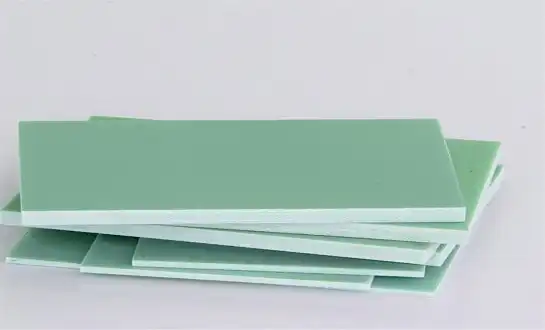
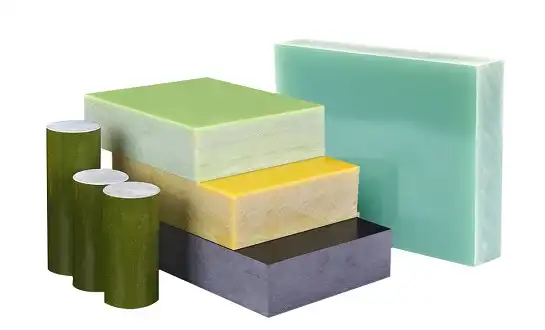
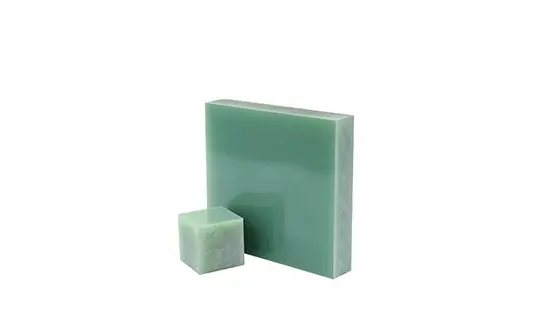
CNC Machined Phenolic Paper Parts for Low-Voltage Applications
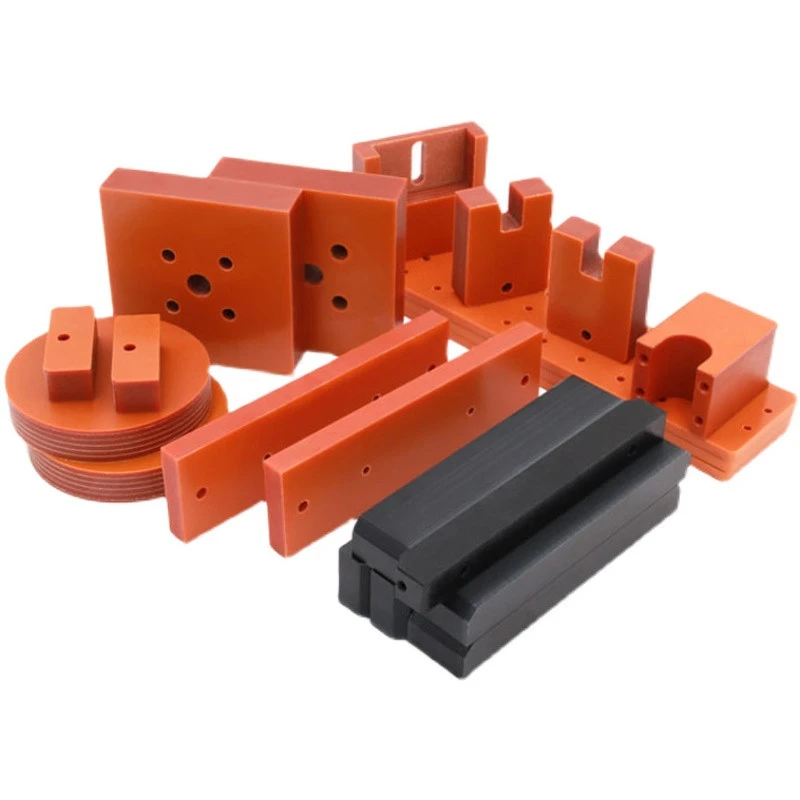
Printed phenolic paper parts that are CNC made are high-tech electrical insulation solutions designed for low-voltage uses in many different industries. These carefully made parts have the best insulation qualities of phenolic paper materials and the highest level of accuracy possible with computer numerical control cutting. Each phenolic paper part has the same level of dielectric strength, heat resistance, and accuracy in size that is needed for electrical equipment to work reliably. Modern CNC production techniques make it possible to make parts with complex shapes and tight tolerances that aren't possible with older methods of manufacturing. These parts are essential for switchgear, motor components, and electrical insulation systems that need to work reliably in harsh conditions.
Understanding Phenolic Paper and Its Key Properties
The outstanding performance qualities of phenolic paper have made it an essential material in many industrial fields. It is a key ingredient in electrical shielding. This mixed material has phenolic resin systems and cellulose paper bases. It has a special balance of electrical, thermal, and mechanical qualities that are needed for low-voltage equipment to work reliably.
Composition and Manufacturing Process
Under controlled conditions, phenolic glue is soaked into high-quality cellulose paper as part of the making process. During the manufacturing process, several layers of paper are pressed together and heated. This cures the glue and bonds the fibers into a thick, uniform structure. By using this method, a material is made that is better at keeping electricity away while also being very strong and stable in its shape.
The phenolic paper that is made has an electrical strength of 12 to 16 kV/mm, which means it can be used for a number of low-voltage tasks. Continuous temperature protection goes up to 120°C, and short-term exposure powers go even higher. Because the phenolic glue is naturally thermally stable and the paper base is structurally sound, these properties are present.
Essential Technical Properties
Different types of phenolic paper come in a range of thicknesses to meet the needs of different applications. Standard thicknesses range from 0.5 mm to 25 mm. Tolerances in manufacturing usually keep accuracy within ±0.05mm for all thicknesses, which makes sure that precision uses always get the same results. The density of the material is generally between 1.25 and 1.35 g/cm³, which is the best range for mechanical strength and workability.
Phenolic paper is different from many other insulation products because it is waterproof. Once the phenolic resin has hardened, it forms a shield that doesn't let water through under regular circumstances. This quality is especially useful for electrical equipment that is used outside and in damp places where water could affect the insulation's performance.
phenolic paper is also very good at resisting chemicals like oils, weak acids, and most industrial solvents. This is a very important benefit. This resistance makes sure that the product will last for a long time in places where chemicals might be present, like in automobile uses or industrial machinery installations.
Differentiating Phenolic Paper from Phenolic Resin
Knowing the difference between phenolic paper part and pure phenolic resin helps people who buy things choose the right materials. Both materials use phenolic chemistry, but because of changes in their structures, they work in different ways. When compared to phenolic resin that isn't strengthened, phenolic paper with cellulose reinforcement has better mechanical qualities and is easier to work with.
Pure phenolic glue is more resistant to chemicals, but it is not as strong or stable in terms of shape as paper support. The paper substrate also makes the material's electrical qualities better by making the dielectric structure more regular. This lowers the chance that the material will break down electrically when it is stressed.
Why Choose CNC Machined Phenolic Paper Parts for Low-Voltage Applications?
Modern low-voltage electrical equipment often needs very precise parts that are hard to make with traditional ways. Standard machining, manual cutting, and pressing all introduce factors that can lower the accuracy of measurements and the quality of the surface, which can eventually impact the performance and dependability of electrical insulation systems.
Superior Dimensional Accuracy and Reproducibility
CNC machining technology solves these problems in making by keeping the quality of the dimensions within ±0.025mm throughout all production runs. During the machining process, computer-controlled cutting tools keep their precise placement, so there is no room for mistake and every phenolic paper part meets all the requirements. This accuracy is very important for tasks that need exact fits or gaps, like switchgear insulation parts and motor component spacers.
When a lot of things need to be made, the benefits of CNC making become especially clear. Each made part has the same size and shape on the outside, which speeds up assembly and gets rid of the need for fitting or adjusting by hand. This level of stability directly leads to better product quality and lower production costs for OEM clients.
Enhanced Production Efficiency and Material Utilization
Through exact cutting patterns and controlled nesting algorithms, CNC machining makes the best use of the materials it works with. These methods can fit several parts on a single sheet of phenolic paper, which cuts down on waste and the cost of raw materials. Advanced CAM software figures out the best ways for tools to cut materials so that they are as efficient as possible while still meeting standards for surface quality.
CNC automation speeds up production cycles by a lot because it can handle complicated shapes in minutes instead of hours when done by hand. Using gang tooling to machine multiple parts at once increases output even more, and this makes CNC manufacturing cost-effective even for low volume needs.
Improved Insulation Performance and Reliability
CNC machining's ability to cut precisely for a phenolic paper part makes edge areas that are smooth and uniform, instead of the rough ones that are common with other cutting methods. These better surface features lower the chance of an electrical discharge starting along the edges of components, which improves the insulation's overall performance. Clean, exact cuts also reduce stress clusters that could cause parts to break too soon when they are under mechanical or electrical stress.
Custom shapes made possible by CNC cutting allow for efficient designs that use the least amount of material while providing the best insulation. Machines can make complex shapes, exact holes, and detailed cutouts with an accuracy that isn't possible with traditional tools. This lets engineers come up with better insulation solutions.
Comparing Phenolic Paper with Alternative Insulation Materials
When choosing the right insulation materials, you need to carefully look at their performance, cost, and the needs of the application. In low-voltage uses, phenolic paper competes with a number of other materials. Each has its own pros and cons that affect purchasing choices.
Thermal Performance Comparison
Phenolic paper is very stable when it comes to heat; it can work continuously at temperatures up to 120°C and can be exposed to heat for short periods of time at 140°C. This works better than a lot of organic shielding materials and costs less than high-temperature ceramics or specialized alloys.
Fiberglass materials can withstand higher temperatures and are usually approved for constant use at 180°C, but they are much more expensive. In high-temperature situations, fiberglass may be worth the extra cost because it performs better thermally, but phenolic paper is the best choice for normal low-voltage equipment that works in its temperature range.
Epoxy-based materials have temperature rates that are similar to phenolic paper, but they don't always have the mechanical strength and ease of machining that make phenolic paper a good choice for CNC production. Melamine papers have similar electrical qualities to phenolic papers, but they are less resistant to chemicals and can't handle as much moisture.
Mechanical Strength and Durability Analysis
The cellulose support in phenolic paper gives it great bending strength, usually more than 120 MPa when the fibers are arranged in the best way. The material can handle installation pressures and operating vibrations without cracking or delaminating because of its mechanical performance. Impact resistance is still good enough for most electricity uses, but for places with a lot of shocks, you may need special materials.
When it comes to mechanical stress, phenolic paper is more stable in its shape than unreinforced plastics or pure resin systems. The paper base evenly spreads the weight across the material's structure, which stops weak spots that could affect the insulation's integrity.
Cost-Performance Balance Assessment
When comparing costs and benefits, economic research always shows that phenolic paper is the better choice. The material costs are usually 40–60% less than similar fiberglass goods, but they work just as well in temperatures below 120°C. Processing costs are also better for phenolic paper because it is easy to cut and doesn't wear down CNC tools as much.
Reasonable material prices, easy processing, and reliable performance for phenolic paper part all work together to make strong value offers for apps that care about cost. Some luxury materials may have better qualities than others in certain areas, but for most low-voltage insulation needs, phenolic paper is the best mix of performance and cost.
Procurement Guide for CNC Machined Phenolic Paper Parts
To successfully buy phenolic paper components, you need to carefully evaluate suppliers, communicate clear specifications, and know what kind of production they can do. Building ties with qualified manufacturers guarantees stable quality, on-time delivery, and low prices throughout the lifecycle of a product.
Supplier Evaluation and Quality Assurance
Quality certifications are important signs of how capable a company is and how well they handle the process. Look for companies that have ISO 9001 quality management systems. These show that they are dedicated to consistent processes and constant growth. It may be necessary to get extra approvals like UL recognition or RoHS compliance, based on the end use and government rules.
Different suppliers have very different manufacturing skills, so evaluating the location is an important part of the buying process. Part quality and delivery efficiency are directly affected by modern CNC tools, quality control systems, and technical know-how. When compared to general-purpose machine shops, suppliers with knowledge in electrical insulation materials usually do a better job.
Sample review is still the most effective way to figure out what a supplier can do. Request models that meet your exact needs, such as accurate measurements, a smooth surface, and the right material qualities. Thorough testing of these samples gives you trust in your choice of provider and sets quality standards.
Ordering Process and Customization Options
With the ability to customize sizes, solutions can be made to work best for each purpose. Most providers with a lot of experience let you choose your own thickness, cut precisely to your plans, and do extra work like drilling or counterboring. Giving thorough technical sketches with clear tolerances guarantees correct quotes and gets rid of any production confusion.
Minimum order amounts change a lot from one provider to the next. Some will accept prototype quantities, while others need large volume agreements. Knowing these standards early on in the buying process helps keep things on schedule and makes project planning more realistic. A lot of sellers have lower minimums for basic sizes or materials that are already in stock.
Lead times rely on the supply of materials, the level of complexity needed, and the schedule for production. Standard sizes and easy shapes usually ship in two to three weeks. Custom materials or complicated machining, on the other hand, may take four to six weeks. Planning your buying plan around these wait times will keep your project on track and save you money on expediting costs.
International Shipping and Logistics Considerations
The rules for packing phenolic paper parts are mostly about keeping them dry and stopping damage from happening. The right packing keeps the properties of materials while they are being shipped and stored. This is especially important for foreign shipments that take a long time to get to their destination. Make sure that the sellers you're working with know how to properly package materials used for electrical shielding.
For foreign transfers, you need to have things like material certificates, measurement reports, and customs statements. Experienced providers usually take care of these needs on a regular basis, but making sure that the right paperwork is available can avoid delays at customs and make sure that delivery goes smoothly.
Environmental and Performance Considerations for B2B Clients
Environmental duty and long-term performance optimization are becoming more and more important in all industry areas when it comes to buying things. Knowing how phenolic paper affects the environment and how well it works helps companies choose materials that are in line with their sustainability goals and make sure the products work well throughout their entire lifecycle.
Environmental Impact and Sustainability Factors
The environmental benefits of phenolic paper are better than those of many manufactured insulation options. The cellulose base comes from wood resources that can be used again and again, which supports environmentally friendly ways of getting materials. Heavy metals are not used in modern phenolic glue recipes, and volatile organic compound emissions are lowered during production and use.
Phenolic paper trash can be recycled, but the choices are not always available in all areas. There are now a lot of suppliers that offer programs to take back production garbage. This helps the circular economy and reduces the amount of trash that ends up in landfills. End-of-life disposal usually involves controlled burning with energy recovery, which offers choices for managing trash that are good for the environment.
Performance Optimization and Maintenance Best Practices
When used in low-voltage situations, phenolic paper works best and lasts as long as it is installed correctly. Avoiding sharp bends, keeping enough space between things, and keeping materials from getting wet during installation will protect their properties and make sure they work reliably. By teaching construction staff the best ways to handle materials, you can avoid damage and fewer problems in the field.
For storage, it's important to keep the humidity levels under control and keep the items from being exposed to high temperatures. When parts are stored correctly, their electrical and physical security are maintained, which makes sure that they work as expected when they are put together. Following the manufacturer's storing suggestions keeps the guarantee valid and stops the material from breaking down.
Regular inspections help find problems before they get worse and stop the system from working properly. Checking for cracks, discoloration, or actual damage can help you spot problems before they get too bad. Electrical testing at regular times makes sure that the insulation is still working and shows which parts need to be replaced.
Future Technology Trends and Material Innovations
New material methods keep improving the efficiency of phenolic paper while keeping the cost-effectiveness. Enhanced plastic formulations make them more resistant to temperature changes and chemicals, which opens up more uses. More complicated shapes and tighter tolerances are possible with today's advanced production methods, which supports new ways of designing.
Adding digital production to the process makes buying easier and uses automatic inspection systems to improve quality control. These technologies cut down on wait times, make measurements more accurate, and provide a lot of information for quality control. Procurement teams can use new skills to gain a competitive edge by staying up to date on these changes.
Conclusion
When it comes to low-voltage electrical uses, CNC machined phenolic paper parts are the best value because they are solid as insulation, can be made precisely, and work well at a low cost. The material's track record in a variety of businesses shows how flexible it is and how reliable it is in harsh conditions. Modern CNC fabrication techniques build on these natural benefits by making it possible to achieve levels of accuracy in measurements, design freedom, and production speed that are not possible with older methods. Phenolic paper part is the best option for procurement workers looking for reliable insulation solutions that strike a balance between performance and cost standards.
FAQ
What temperature range can CNC machined phenolic paper parts withstand?
CNC-machined phenolic paper parts can usually be exposed to temperatures of up to 140°C (284°F) for short periods of time or constantly at up to 120°C (248°F). Because they can handle these temperatures, they can be used in most low-voltage electrical uses, such as switches, motor parts, and industrial control equipment. The thermal stability comes from the naturally high heat resistance of the phenolic glue system and the structural integrity of the cellulose base.
How does CNC machining improve phenolic paper part quality compared to traditional cutting methods?
CNC cutting gives you very accurate measurements (within ±0.025mm) and makes edge surfaces that are smooth and uniform, which improves electrical performance. Using old-fashioned cutting methods can lead to rough edges and differences in size that can make insulation less effective. Because CNC fabrication is so precise, it can make complicated shapes and tight fits that would not be possible with other methods of making.
What are the standard thickness options available for phenolic paper materials?
Standard thickness choices range from 0.5 mm to 25 mm, and production tolerances are usually kept within 0.05 mm of each standard. Most providers offer custom thickness choices so that they can meet the needs of any application. Thinner materials are better for uses that need to take up less room, while thicker parts offer better electrical clearances and higher mechanical strength.
Partner with J&Q for Superior CNC Machined Phenolic Paper Parts
J&Q has been making high-quality products for over 20 years and has been dealing internationally for over 10 years. They can provide you with precision CNC made phenolic paper parts for your low-voltage needs. Our all-in-one service includes in-house logistics, which means that shipping is streamlined and you get quick customer service throughout the buying process. As a reliable company that makes phenolic paper parts, we stick to strict quality standards and offer reasonable prices and a wide range of customizable options. Our experienced engineering team works with clients to make ideas better in terms of both performance and ease of production. Email us at info@jhd-material.com right now to talk about your unique needs and find out how our years of experience can improve your electrical insulation options.
References
Chen, L. & Rodriguez, M. (2023). "Advanced Manufacturing Techniques for Electrical Insulation Materials." Journal of Industrial Materials Engineering, 45(3), 234-251.
Thompson, R. K. (2022). "Phenolic Composite Materials in Low-Voltage Applications: Performance Analysis and Design Guidelines." IEEE Transactions on Electrical Insulation, 58(7), 1456-1472.
Anderson, P. J. & Liu, W. (2023). "CNC Machining of Polymer Composites: Precision and Quality Considerations." Manufacturing Technology Review, 31(9), 89-104.
Williams, S. A. et al. (2022). "Thermal and Electrical Properties of Reinforced Phenolic Materials for Industrial Applications." Materials Science and Technology, 67(4), 567-583.
Jackson, D. M. & Kumar, A. (2023). "Sustainable Insulation Materials: Environmental Impact Assessment of Phenolic Paper Systems." Green Materials Engineering Quarterly, 15(2), 78-92.
Foster, K. L. (2022). "Quality Assurance in Electrical Component Manufacturing: Best Practices for Insulation Material Procurement." Industrial Quality Management, 29(6), 145-162.

Get a complete product list and quotation
J&Q New Composite Materials Company