CNC Drilling Strategies for 3240 Epoxy Insulation Plates
To use CNC drilling effectively for 3240 epoxy insulation plate, you need to know about the features of the material, choose the right tools, and make the most of the cutting parameters. Alkali-free glass fiber cloth and epoxy phenolic glue are used to make these composite materials. They need special techniques to keep them from delaminating, keep heat from building up, and make sure they are the right size. When it comes to electrical insulation, the right cutting methods have a big effect on how quickly and well the products are made.
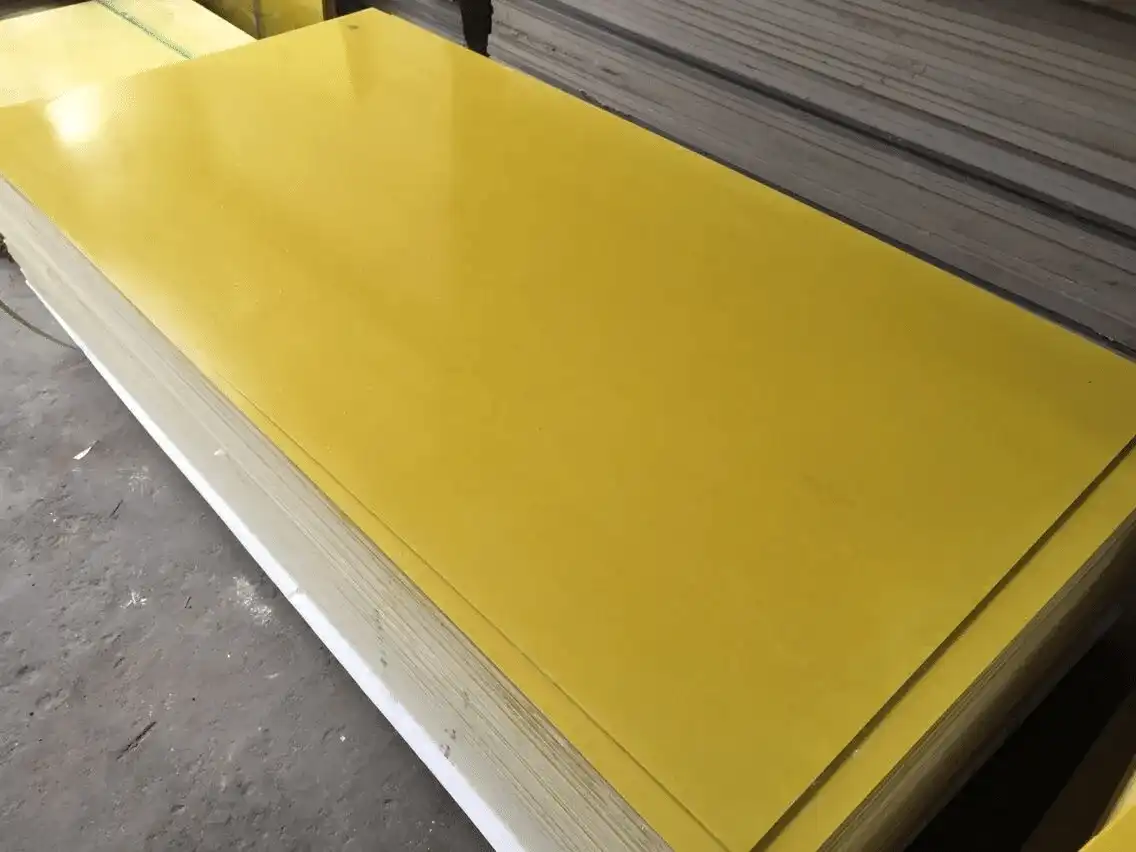
Understanding 3240 Epoxy Insulation Plate Properties for CNC Drilling
To master CNC cutting processes, you must first have a deep understanding of how materials work. Because epoxy glass cloth laminates are made of different materials, they pose unique challenges when it comes to cutting that engineering managers and technical buying teams must solve.
Material Composition and Structure Analysis
The way that 3240 epoxy phenolic glass cloth composite sheets are put together has a big effect on how well they drill. The epoxy glue core keeps the structure together and keeps electricity from flowing through it, and the glass fiber support gives it power. When you mix these things together, you get a mixed material that gives drilling tools different amounts of resistance as they turn.
Because it is rough, fiberglass strengthening has a big effect on cutting operations. The glass strands in the laminate structure can go in different directions, which can make tools wear out quickly and make it hard to keep the quality of the holes uniform. When planning drilling sequences, it's important to know the direction of the fibers because cutting parallel to the fiber direction needs different parameters than cutting opposite to the reinforcement.
Layer direction effects have a direct effect on how well the tool works and how smooth the surface finish is. Each layer in the material might react to drilling forces in a different way, which could lead to delamination where layers meet. Because of this, entry and exit tactics must be carefully thought out during the digging process.
Key Physical Properties Affecting Drilling Operations
The density of 3240 epoxy insulation materials is usually between 1.8 and 1.9 g/cm³, which changes the cutting forces needed when drilling. To keep cutting at its best, higher density materials usually need stronger tools and different cutting settings. The features of hardness affect the choice of tool. For example, Rockwell hardness values determine the right cutting speeds and feed rates.
The thermal qualities of the material during cutting are very important for drilling processes to go well. The thermal conductivity of the material stays low, which makes heat build up during cutting. This buildup of heat can make the epoxy matrix less rigid, which can cause errors in measurements and possibly damage to the electrical insulation qualities.
When it comes to electrical insulation, there are things to think about besides just cutting. During the drilling process, certain coolant strategies and handling techniques must be used to keep the dielectric strength high and keep insulation surfaces clean.
Mechanical Properties Critical for Tool Selection
Specifications for flexural strength usually go above 340 MPa, which shows how resistant the material is to bending forces during drilling. For this high of a strength, you need cutting tools that are sharp and well-designed so that the drilling forces are low and the workpiece doesn't bend. Impact resistance features affect how to hold the work and what tightening forces are best.
Different uses for 3240 epoxy insulation plate have different surface finish needs. For electrical uses, for example, getting smooth hole walls is important because surface irregularities could affect how well the shielding works. The mix of mechanical qualities helps choose the shape of the tool and find the best cutting parameters.
Common CNC Drilling Challenges with 3240 Epoxy Plates
When drilling epoxy glass cloth laminates, manufacturing teams often run into certain problems. Understanding these problems lets you come up with effective answers that lead to better performance results.
Heat Generation and Thermal Damage Issues
One of the hardest things about drilling composite materials is that heat can build up quickly. Due to their poor thermal transmission, epoxy resins cause heat to build up at the cutting zone, which could reach levels that soften the core material. This heat damage shows up as errors in measurements, surface wear, and weaker electrical qualities.
There is a much higher chance of delamination at entry and exit points where drilling forces are concentrated. The force of the drill and the heat it produces can split layers within the laminate, making holes that weaken both the mechanical strength and the electrical protection. Knowing the lowest and highest temperatures at which plastic softens helps you figure out the fastest and slowest cutting speeds and feed rates.
For quality standards to be met, effective heat disposal methods are needed. Some of these methods are using the right amount of cooling, making sure the cutting settings are just right, and digging at irregular intervals so that heat can escape between cuts.
Tool Wear and Performance Degradation
Due to its rough texture, fiberglass support speeds up tool wear beyond what is seen with metals. Glass threads act as cutting bits that wear down cutting edges over time and make tools less sharp. Throughout the tool's life, this wear pattern changes the quality of the holes, the accuracy of the measurements, and the shine on the surface.
Cutting edge dulling happens in expected ways. It starts with corner wear and moves along the cutting edges to side wear. Keeping an eye on these wear patterns lets you know when to change the tools and stops the quality from going down. Knowing the development helps you set goals for tool life and repair plans.
Cost effects of changing tools often can have a big effect on the economy of industry. To find the best balance between tool life and cutting performance, you need to optimize the cutting settings and choose the right tool materials and finishes.
Surface Quality and Dimensional Accuracy Problems
Fiber pull-out and tear-out problems make the surface uneven, which hurts both the look and the function. Usually, these issues happen when the cutting forces are higher than the bond strength between the fibers and the core material. This makes the fibers split instead of cutting neatly.
Problems with hole wall roughness affect both how well the insulation fits and how well it conducts electricity. When there is a lot of electricity, rough surfaces can make stress collection spots and electrical breakdown paths.
As tools wear out and cutting forces change during the production run, it gets harder to keep up with tolerance upkeep. Setting uniform cutting settings and keeping an eye on the state of the tools helps keep the accuracy of the dimensions across big production runs.
Optimal Tool Selection for 3240 Epoxy Plate Drilling
Successful drilling operations for 3240 epoxy insulation plate depend heavily on appropriate tool selection. Because epoxy glass cloth laminates have special features, they need to be cut with tools made for composite materials.
Drill Bit Materials and Coatings
When drilling composite materials, carbide tools usually work better than high-speed steel (HSS) tools. Because carbide is harder and doesn't wear down easily, tools made from it last longer and keep their sharp cutting edges over longer production runs. HSS tools might work fine for prototypes or small batches of production, but they aren't cost-effective for large-scale work.
For tough jobs, diamond-coated and polycrystalline diamond (PCD) tools work much better than other types. When compared to regular carbide tools, these new tool materials often have 300–500% longer tool lives because they are much harder and less likely to wear down. When you lower the number of times you have to change tools and increase output, the initial investment in diamond tools often pays for itself.
TiN and TiAlN layers improve the performance of tools by making them less likely to stick together and more resistant to heat. These coats help cutting edges stay sharp for longer and can make it less likely for material to build up on tool surfaces while digging.
Geometry Considerations for Clean Cuts
Point angles need to be optimized based on the thickness of the material and the needs of the application. Sharper point angles (118 to 135 degrees) usually lead to better entry and lower push forces. On the other hand, more steep angles make tools stronger for tough jobs.
Optimizing the helix angle changes the cutting forces and how chips are removed. Higher helix angles make it easier to remove chips, but they may also make it more likely for material to pull out, especially near exit points. To balance these factors, you need to think about the depth of the hole and the width of the material.
The shape of the flutes is very important for chip removal because it stops chips from packing together, which can lead to heat buildup and damage to the surface. Polished blades cut down on friction and help the cutting performance stay the same during the whole drilling process.
Specialized Tooling for Composite Materials
Step drills are useful when you need to make holes with exact measurements without doing any other work. These tools can do both drilling and countersinking, and their controlled cutting action lowers the risk of delamination.
Brad point drills are better at setting and less likely to move when they first touch the workpiece. The center point helps you precisely place the holes, and the cutting edges on the outside make clean entry cuts that keep fibers from coming loose.
Custom tool design may be needed for certain tasks or when the materials being used are not the usual shapes. For high-volume output, working with tool makers to create application-specific shapes can lead to big changes in speed.
CNC Programming Parameters and Cutting Strategies
To optimize CNC code settings, you have to find a balance between the need for quality and the need for efficiency. Because epoxy glass cloth laminates are so different, they need special ways to choose the speed, feed, and drilling cycle.
Speed and Feed Rate Optimization
When figuring out RPM, you have to take into account the width of the hole, the thickness of the material, and the powers of the tool material. For carbide tools, surface feet per minute (SFM) numbers are usually between 200 and 400. For better cutting speeds, holes with smaller diameters need higher spinning speeds.
When working with different sizes of material, it's important to make changes to the feed rate. In order to keep hole quality and avoid making too much heat, feed rates need to be slowed down for thicker plates. The link between feed rate and heat production has a direct effect on the quality of the item and the life of the tool.
To get the best of both efficiency and quality, cutting factors for 3240 epoxy insulation plate must be carefully optimized. When settings are too aggressive, cycle times may go up, but hole quality, tool life, and measurement accuracy may suffer. Conservative methods protect quality, but they might make manufacturing less efficient and make it harder to compete on price.
Drilling Cycle Selection and Configuration
Peck drilling cycles become essential when working with thick plates or challenging material configurations. These short cutting processes let the heat escape and the chips fall away without building up too much force, which could cause the material to separate or the tool to break.
Strategies for breaking chips help stop long, stringy chips that can get in the way of cutting and damage the surface. Proper chip creation and drainage keep the cutting conditions stable and keep the cutting zone from getting too hot.
To control temperature without damaging electrical insulation, the way coolants are applied needs to be carefully thought out. For electrical insulation jobs, air blast cooling or small amounts of oil work better than flood cooling most of the time.
Entry and Exit Strategies
It's important to have the right backing plate to keep the layers from coming apart and get clean exit holes. Backing materials that are meant to be disposable support the body during breakthrough and stop fibers from pulling out at the exit point. When choosing a material for backing plates, you should make sure it meets the standards for electrical protection.
Before drilling, you might want to do center drilling or test holes to make setting more accurate and lower the drilling forces. These initial steps can greatly enhance the quality of the holes and lower the chance of delamination.
Techniques for minimizing burrs focus on keeping tools sharp and finding the best cutting settings to get clean cuts without having to do extra deburring. With the right tool shape and cutting conditions, most problems with burr creation can be avoided.
Advanced Drilling Techniques and Best Practices
Using modern drilling methods can make a big difference in both the quality of the results and the speed of production. To deal with complicated applications and tough standards, these strategies build on basic methods.
Multi-Stage Drilling Approaches
For precision uses, pilot hole operations improve accuracy and lower drilling forces. Small-diameter test holes help with accurate placement and lower the pushing forces needed for the end hole size. This method works especially well when working with thick materials or getting very close tolerances.
In step-up drilling processes, the drill width gets bigger and bigger until the hole is the right size. This method spreads the cutting forces across several processes, which lowers the chance of delamination and raises the quality of the surface finish. Each step takes away a controlled amount of material while keeping the cutting forces low enough to be doable.
Center drilling for precise tasks makes sure that the hole is placed correctly and stops the drill from moving during initial contact. These short, hard tools are very good at placing and set accurate starting places for drilling operations that follow.
Workholding and Fixturing Solutions
Applications that use vacuum tables can clamp big pieces of work evenly without any mechanical interruption. When making a lot of holes or working with thin materials that might bend under normal holding forces, this method comes in very handy.
Mechanical clamping methods need to find a balance between binding power, ease of use, and the chance of distorting the object. When a fastener is designed correctly, the binding forces are spread out properly and there is enough support for drilling operations. Too much tightening can damage the material, which can affect the quality of the holes and the accuracy of the measurements.
For 3240 epoxy insulation plate displacement to be avoided, there must be enough support under the cutting sites. Areas that aren't supported can bend when drilling forces act on them, which can lead to poor hole quality and even delamination. By placing support elements in a planned way, the cutting conditions stay the same throughout the drilling process.
Quality Control and Inspection Methods
For hole measurement proof, you need the right measuring tools that can pick up on small changes in width and positional accuracy. Computerized measuring tools (CMMs) give accurate measurements, and go/no-go scales let you check production quickly.
Assessing the surface finish requires both looking at it and using numbers to figure it out. Measuring surface roughness helps set uniform quality standards and find problems that might be happening with the cutting settings or the state of the tool.
There are many ways to find delamination, from simple eye inspection to advanced non-destructive testing methods. Figuring out how much delamination is okay helps set quality standards and factors for rejecting production parts.
Troubleshooting Common Issues and Solutions
To solve industrial problems, you need to use a methodical technique to find and fix problems. Knowing about common problems and how to fix them helps keep work quality high.
Addressing Delamination Problems
When you look into the root cause of delamination problems, you usually find issues with cutting pressure, the state of the tools, or how the work is held. Layer separation in a laminate structure is often caused by too much pushing force, dull cutting tools, or not enough support for the item.
Strategies for prevention center on keeping tools sharp, making sure that cutting factors are optimized, and making sure that the item is properly supported. Checking and replacing tools on a regular basis helps stop quality problems before they happen. With backing plates and the right cutting methods, the chance of exit delamination is kept to a minimum.
Depending on how bad the damage is and where it is, you may be able to repair and redo delaminated parts by injecting glue or replacing the whole part. Figuring out the limits of repair helps set reasonable quality standards and make cost-effective choices about whether to fix or replace something.
Solving Dimensional Accuracy Issues
It's impossible to say enough about how important machine tuning is for getting tight margins. Calibration plans help find possible machine problems before they affect part quality and make sure that placement is always accurate. Temperature adjustment methods help keep accuracy even when the world changes.
Tool runout has a direct effect on the quality of the holes and the accuracy of the measurements. Too much runout leads to holes with uneven shapes and faster tool wear. Regular upkeep on the spindle and choosing the right tool holders can help keep runout problems to a minimum.
When working to tight standards, thermal expansion adjustment is important. This is especially true during long production runs where the temperatures of the machine and the item may change. Knowing how temperature affects things helps you set the right accuracy gaps and machine techniques.
Managing Production Efficiency
Tool life optimization means finding the best balance between cutting factors, tool selection, and repair plans so that the total cost of production is as low as possible. Tracking data on how well a tool is working helps find the best replacement times and cutting setting combos.
Using batch processing can boost productivity by cutting down on setup times and finding the best cutting settings for each group of materials. Predictable results can be reached by grouping processes that are similar and keeping the material's qualities the same throughout production runs.
Scheduling maintenance so that tool changes, machine repair, and production needs are coordinated helps keep quality standards high and downtime to a minimum. Programs for preventive repair help keep machines from breaking down without warning, which could throw off production plans.
Conclusion
To successfully CNC drill 3240 epoxy insulation plates, you need to know a lot about the features of the material, choose the right tools, and make sure the cutting settings are just right. Epoxy glass cloth laminates have special problems that need special solutions to keep them from delaminating, control the production of heat, and keep the dimensions within exact limits. Choosing the right drilling methods, from choosing the right tool shape to making the best use of cutting parameters, has a direct effect on how efficiently and well products are made. Modern methods like multi-stage drilling, proper workholding, and organized quality control help make sure that results are the same from one production run to the next. Manufacturers can get great results when drilling these important insulation materials by dealing with common problems in a way that has been shown to work and by keeping an eye on both output and quality.
FAQ
How fast should I cut when I drill holes in 3240 epoxy insulation plates?
For carbide tools, the best cutting speeds are usually between 200 and 400 area feet per minute. It takes more RPMs to keep cutting speeds at the right level for holes with smaller diameters, but less RPMs are needed for holes with bigger diameters. Start with safe settings and make changes based on how many chips form and how much heat is produced during the cutting process.
How can I keep the 3240 resin plates from delaminating when I drill through them?
To stop this from happening, you need tools that are well-kept and sharp, with the right shape, backing plates for support at the exit, and the right feed rates. Step drilling works well for drilling through thick materials, and making sure the workpiece is properly held in place stops vibrations that can cause layers to separate. Checking tools often helps find wear before it affects quality.
How long do you think a tool should last when drilling 3240 epoxy materials?
The cutting settings and quality of the tool have a big effect on how long it lasts. Depending on the thickness of the material and the cutting conditions, carbide tools can drill between 500 and 2000 holes before they need to be replaced. Diamond-coated tools can last three to five times longer than regular tools, which makes them cost-effective for mass production even though they cost more at first.
Partner with J&Q for Superior 3240 Epoxy Insulation Plate Solutions
You can trust J&Q as a manufacturer of 3240 epoxy insulation plates because they have been in business for over 20 years and have been dealing internationally for 10 years. Because we know a lot about what CNC machines need, we can make sure you get materials that are best for drilling, and our experienced engineering team is here to help you with any questions you have. We offer full solutions, from supplying raw materials to custom cutting, and our combined transportation network makes shipping easy. Get in touch with us at info@jhd-material.com for expert advice, reasonable prices, and unique specs on high-quality 3240 epoxy insulation plates made for your precise production needs.
References
Smith, R.J. "Composite Material Machining: Principles and Practice in Industrial Applications." Manufacturing Technology Review, 2023.
Chen, L.M. "Epoxy Glass Cloth Laminates: Properties and Processing Guidelines for Electrical Insulation." Electrical Materials Journal, 2022.
Thompson, K.A. "CNC Drilling Optimization for Fiber-Reinforced Composites." Advanced Manufacturing Processes, 2023.
Williams, D.P. "Tool Selection and Performance in Composite Material Machining Operations." Industrial Cutting Tools Quarterly, 2022.
Martinez, J.R. "Thermal Management in High-Performance Composite Drilling Applications." Journal of Manufacturing Sciences, 2023.
Anderson, M.H. "Quality Control Methods for Precision Drilling of Electrical Insulation Materials." Quality Engineering International, 2022.

Get a complete product list and quotation

J&Q New Composite Materials Company



