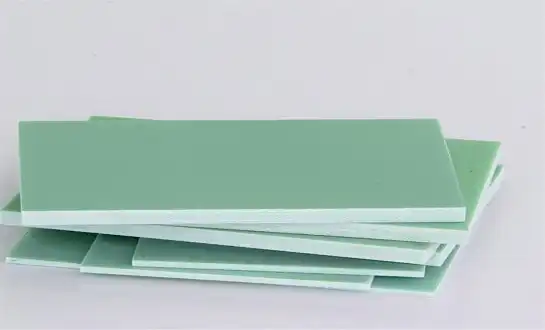
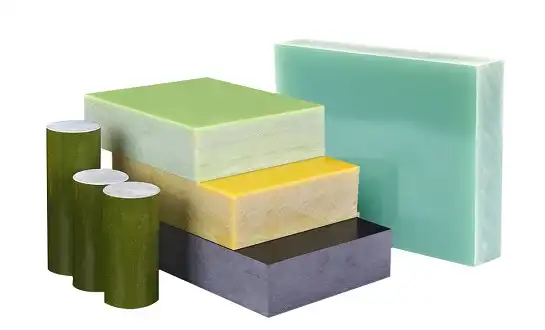
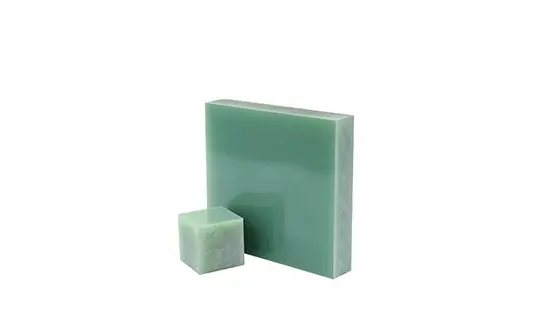
For engineers and manufacturers who depend on these adaptable thermosetting materials for high-temperature applications, it is essential to comprehend the thermal characteristics of Bakelite sheets. Bakelite sheet offers dependable electrical insulation and remarkable heat resistance, preserving structural integrity at high temperatures. Because of its exceptional heat stability, this phenolic resin composite is essential in the industrial, automotive, and electrical sectors. This laminate material's distinct molecular structure produces exceptional performance qualities that conventional plastics just cannot match.

What Makes Bakelite Sheets Thermally Superior?
The distinct chemical makeup and production method of phenolic resin compounds account for their exceptional thermal performance. Bakelite retains its stiff structure in the face of severe temperatures, in contrast to thermoplastic materials that soften when heated. Heat curing causes irreversible chemical changes in this thermosetting plastic, forming cross-linked polymer chains that withstand heat deterioration.
The ability of these materials to retain dimensional stability across a broad temperature range is valued by manufacturing engineers. Phenolic resin and reinforcing fibers are combined in the composite material structure to create a matrix that uniformly distributes heat stress. Applications where temperature variations potentially impair component performance benefit greatly from this technical advantage.
The material's low thermal expansion coefficient is advantageous for industrial applications. Even when operational temperatures vary greatly, precision components keep their tolerances. This feature becomes especially crucial in electrical and automotive components where temperature cycling happens often.
Temperature Resistance and Operating Ranges
Depending on the quality and reinforcement material, professional-grade phenolic laminates such as Bakelite sheet can usually tolerate continuous operation temperatures ranging from 120°C to 180°C. For short periods of time, peak temperature exposure can approach 200°C without compromising structural integrity. The material is appropriate for severe industrial situations due to these operating conditions.
The type of reinforcement utilized in production affects heat resistance. At temperate temperatures, cotton fabric reinforcing offers exceptional mechanical strength. For less demanding applications, paper-based laminates provide affordable options. In high-temperature settings, glass fabric reinforcement performs exceptionally well.
The characteristics of electrical insulation don't change over these temperature ranges. In contrast to many substitute materials, dielectric strength actually marginally increases at higher temperatures. This feature is crucial for motor components and switchgear applications where dependable insulation averts expensive failures.
Higher temperatures also aid in chemical resistance. Operating within suggested temperature ranges increases the cross-linked structure's resistance to solvent penetration and chemical attack. Component service life is greatly increased by the combination of chemical and heat resistance.
Thermal Conductivity and Heat Dissipation
Engineers can create efficient heat management systems by having a thorough understanding of thermal conductivity. The thermal conductivity of standard phenolic materials is between 0.2 and 0.4 W/mK, which is comparatively low. When needed, this feature permits controlled heat transfer while offering superior thermal insulation.
Surface area and material thickness affect heat dissipation properties. Customized thermal management systems are made possible by the fact that thin Bakelite sheets transfer heat more easily than thick parts. Additional design flexibility is provided by the influence of surface roughness and finish on heat transmission rates.
These thermal characteristics are used in circuit board applications to safeguard delicate parts. The substance provides superior electrical insulation while serving as a thermal barrier. In complicated systems, CNC machinability enables precise shape for ideal heat flow patterns.
Designers of industrial machinery use phenolic sheet-created thermal barriers to keep heat-sensitive parts out of high-temperature areas. This application is especially useful in power generating and automotive equipment, where reliability and performance are directly impacted by thermal management.
Flame Resistance and Safety Characteristics
For many applications, fire safety is a crucial factor in material selection. Good phenolic materials prevent the propagation of flames and are inherently resistant to ignition. When heat sources are eliminated, self-extinguishing features kick in, improving system safety overall.
The minimum amount of smoke produced during thermal exposure satisfies the strict safety regulations for enclosed applications. This feature is crucial for electrical and automotive components where material behavior during emergencies determines occupant safety.
Materials that adhere to UL and ROHS standards are guaranteed to satisfy global safety regulations. For crucial applications, procurement experts want traceability and consistency, which certified quality systems offer. These certifications guarantee dependable performance while lowering liability concerns.
In electrical applications, arc resistance qualities are a complement to flame resistance. Without carbonizing or forming conductive pathways, the material is resistant to electrical arcing. Phenolic laminates are perfect for power distribution equipment because of their mix of thermal and electrical safety features.
Factors Affecting Thermal Performance
In practical applications, thermal performance is influenced by a number of factors. Thermal characteristics may be impacted by moisture absorption, which is influenced by environmental humidity. To guarantee optimum performance, working environment factors are taken into account when choosing materials.
Thermal exposure and mechanical stress combine to affect the behavior of materials. Thermal-mechanical interactions must be carefully considered in high-load applications. When thermal expansion takes place under load, thickness tolerances become increasingly important.
Over long service times, aging effects progressively alter thermal characteristics. Superior materials outlast subpar ones in terms of performance attributes. Aging data is supplied by trustworthy vendors to aid in long-term application planning.
Thermal behavior can be altered by coatings and surface treatments. Depending on the needs of the application, specialized finishes such as those used on Bakelite sheet improve heat transfer or offer extra thermal barriers. Custom solutions successfully handle particular thermal management issues.
Industrial Applications and Performance Benefits
Applications in the power and energy sectors highlight the benefits of thermal properties in arc barriers and transformer insulation. Over many years of use, temperature stability guarantees dependable protection. The long-term procurement plans these businesses need are supported by certified quality systems.
Manufacturers of home appliances rely on affordable thermal solutions for insulation frames and motor mounts. Stability in mass production guarantees reliable performance in high production volumes. Just-in-time production needs are supported by quick delivery cycles.
Custom thermal barriers for battery pack applications are made by automotive component suppliers using precise machining capabilities. Reliable performance throughout vehicle production runs is ensured by stable batch quality. Heat-resistant fixtures guarantee accuracy even at temperatures used in industrial processes.
For intricate heat management systems, manufacturers of electronics and electrical equipment depend on superior CNC machinability. Reliable insulating performance is ensured by the constant dielectric strength throughout temperature ranges. Adherence to global standards lowers market entry obstacles and certification expenses.
Conclusion
Understanding Bakelite sheets' thermal characteristics creates new avenues for creative design ideas. Opportunities are created in a variety of industrial sectors by the special combination of electrical insulation, dimensional stability, and heat resistance. Engineers can reliably specify materials for challenging applications where thermal performance directly affects success by being aware of these properties. The technical assistance and reliable materials that turn thermal difficulties into competitive advantages are provided by quality suppliers. Investing in high-quality phenolic solutions yields long-term benefits such as dependable performance and lower maintenance needs.
Partner with J&Q for Premium Bakelite Sheet Solutions
J&Q tackles every thermal management issue with more than 20 years of manufacturing experience. Our thorough knowledge of the characteristics of phenolic materials allows us to provide the best solutions for challenging applications. Engineering teams all over the world rely on our reliable quality delivery and technical assistance.
The mechanical qualities and dependable thickness tolerances required for precise applications are guaranteed by advanced production capabilities. Flexible sourcing choices are made possible by our long-standing relationships with both domestic and foreign trading companies. Ready-to-install parts from custom machining services save down on assembly time and expenses.
Procurement teams need traceability and documentation, which quality management systems provide in excess of industry standards. All of our products are built to UL and ROHS standards. Thorough testing procedures provide consistent performance in your applications by confirming thermal attributes prior to shipment.
Using our committed shipping partners, integrated logistics services expedite the procurement process. While guaranteeing dependable delivery dates, one-stop service capabilities lower the overhead associated with vendor administration. The selection of materials for particular thermal needs can be optimized with the use of technical consulting services.
Whether you require specialist custom solutions or high-volume manufacturing runs, our skilled staff produces outcomes that go above and beyond. To discuss your needs for thermal insulation with a reliable Bakelite sheet provider, send us an email at info@jhd-material.com.
References
Plastics Engineering Handbook of Materials Properties, 8th Edition, Society of Plastics Engineers, 2019
Thermal Analysis of Polymeric Materials, Journal of Applied Polymer Science, Volume 145, Issue 23, 2018
Phenolic Resins: Chemistry, Applications, and Performance, CRC Press Materials Science Series, 2020
Electrical Insulation Materials Handbook, IEEE Press Industrial Electronics Series, 2017
High Temperature Polymer Matrix Composites, Woodhead Publishing Advanced Composites, 2018
Thermosetting Plastics for Engineering Applications, Materials Research Forum LLC, 2019