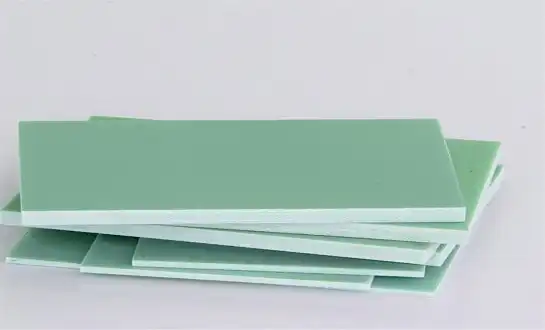
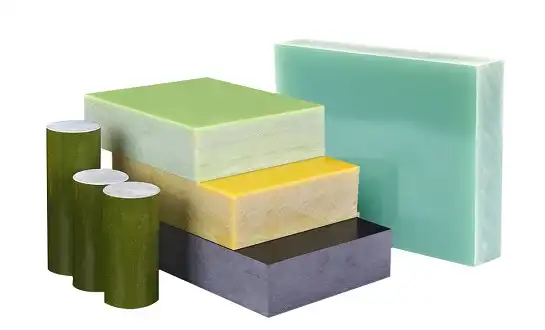
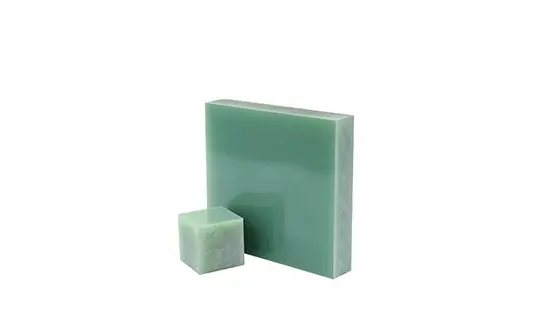
Chinese G10 epoxy sheets have better mechanical strength, electrical insulation, and are more cost-effective than other brands. Because of this, more and more Chilean companies are buying them. This fiberglass epoxy laminate works well in tough industrial settings. It can handle high temperatures (up to 130°C), keeps its shape over time, and resists breaking down in hot or cold temperatures. Chinese manufacturers have earned the trust of the Chilean electrical, automotive, and manufacturing sectors by always providing high quality, competitive prices, and extensive expert support that meets their strict needs.
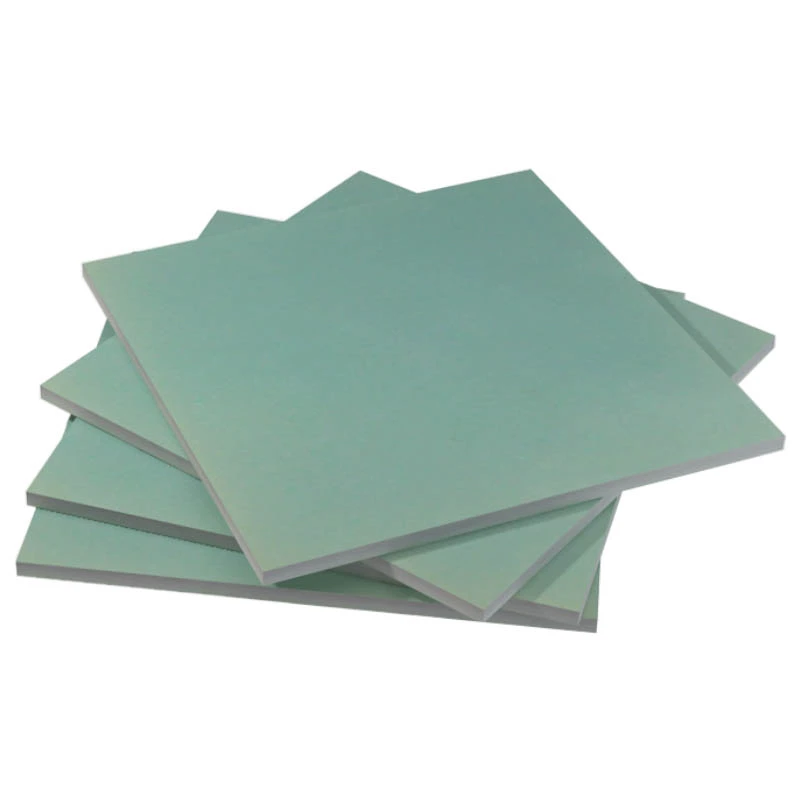
Understanding the Rising Demand for China G10 Epoxy Sheet in Chile
In the last ten years, Chilean industries have made a huge move toward epoxy laminates made in China. The country's electronics and automotive industries are rising, and so are infrastructure projects that need high-performance insulation materials.
G10 is a glass fiber reinforced plastic laminate made by carefully soaking woven fiberglass cloth in epoxy glue. The material is compressed with a lot of pressure and then cured with high heat. This gives it a thick, uniform structure with great electrical and mechanical properties. For everything from printed circuit board substrates to structural insulation parts, buying teams in Chile know that these things are important.
According to market data, China's ability to offer high-quality technical laminates at low prices has allowed them to gain a lot of market share in Chilean sales of these goods. Producers in China have been able to make more and better goods in recent years. This, along with lower costs, has led to a rise in demand.
What Makes G10 Epoxy Sheet from China Ideal for Chilean Factories?
By using complicated ways of making things and strict methods for quality control, Chinese companies have gotten very good at making G10 epoxy sheets. The performance of these sheets in certain ways makes them very appealing to companies in Chile.
Chinese-made G10 material has very high mechanical strength, which makes it useful in situations where structural integrity is very important. These sheets can handle a lot of mechanical stress without performance issues thanks with flexural strength ratings over 400 MPa and compression strength ratings of 450 MPa. For parts that need to last a long time under heavy loads, this dependability is especially important to makers of machines in Chile.
Another great thing about temperature stability is that it can be used in a lot of different ways. Chinese G10 epoxy sheets keep their qualities over a wide range of temperatures. They can work continuously from −50°C to +130°C and can briefly withstand temperatures up to 170°C. This thermal performance is very important for Chilean car and power generation uses where temperature changes make materials weaker.
These sheets' ability to insulate electricity meets global standards, with dielectric strength values usually over 15 kV/mm. For PCB uses, switchgear parts, and motor insulation systems where electrical safety is very important, this steady electrical performance is something that Chilean electronics companies depend on.
Chinese sellers also offer a lot of different ways to customize products, such as a variety of thicknesses from 0.5mm to 50mm, exact cutting services, and surface treatments to meet the needs of different applications. This makes it possible for Chilean companies to streamline how they buy things and cut the costs of extra processing at the same time.
Comparing G10 Epoxy Sheet with Alternative Materials Relevant to Chilean Industries
G10 epoxy sheets aren't the only option out there. Chilean buyers know this, and they make smart choices based on the needs of each project and what's affordable.
G10 epoxy material shows better moisture protection and dimensional stability than phenolic laminates. Phenolic sheets provide enough electrical protection for simple uses, but they don't have the mechanical strength and temperature resistance needed for tough industrial settings in Chile. The epoxy resin structure in G10 sheets makes them better at resisting chemicals, so they can be used in situations where they might be exposed to solvents and cleaning agents.
FR4 materials are made in a way that is similar to G10 sheets, but the flame-retardant ingredients used in FR4 can change the way they behave mechanically. When it comes to automotive and machinery uses where flame resistance is less important than mechanical strength, Chinese G10 suppliers usually suggest using standard epoxy laminates. It's best to use these in situations where fire exposure is not a big concern.
Standard G10 sheets are a cheaper option for uses that don't need to work at very high temperatures when compared to G11 high-temperature laminates. G11 materials can handle temperatures up to 180°C for long periods of time, but the extra cost might not be worth it for many factories in Chile that work in normal temperature ranges.
Aluminum sheets and other metal-like materials conduct heat very well, but they don't work as insulators for electricity. This is a problem for a lot of Chilean electronics and power uses that need to keep electricity from flowing where it isn't wanted. G10 epoxy sheets fill this gap by providing good thermal control while keeping the ability to stay electrically isolated.
Procurement Insights: How to Source China G10 Epoxy Sheets Effectively
A methodical approach to source assessment and relationship management is needed to successfully get Chinese G10 epoxy sheets. It helps Chilean buyers know the main things that make good sellers different from less reliable ones.
Established Chinese manufacturers usually have quality management systems that are certified to ISO 9001 standards. Many of these manufacturers have also received extra certifications that are important for certain businesses. These certifications make sure that the way things are made stays the same and can be traced back to the source. This lowers the chance of changes in quality that could mess up production plans in Chile.
When you rate a supplier, you should look at their manufacturing ability, equipment, and ways of getting raw materials. Top Chinese manufacturers spend in advanced laminating equipment and keep in touch with high-end resin and fiberglass suppliers to make sure that the properties of the materials stay the same across all production batches. This consistency is especially important for Chilean factories that need to know how materials will behave in automated production processes.
Communication skills are another very important thing to think about when choosing a seller. Chinese exporters with a lot of experience employ technical sales teams with engineering skills to give specific advice on how to use products and fix performance problems. This expert support is very helpful when factories in Chile face problems with unique applications or need to change the properties of their materials.
The total cost of ownership is also affected by logistics. Chinese suppliers with established shipping partnerships can offer good freight rates and dependable arrival times to Chilean ports. Lead times, minimum order quantities, and packaging choices are all things that Chilean procurement teams need to know in order to better handle their inventory and save money on carrying costs.
Enhancing Product Trust: Quality Assurance and Certification of China G10 Epoxy Sheet
Chinese G10 epoxy sheet makers' quality assurance methods have changed a lot so that they meet global norms and what customers expect. These changes directly make Chilean factories' worries about the consistency and long-term dependability of the products better.
Each batch of material that is made usually has to pass checks for mechanical properties, electrical performance, and physical accuracy. Chinese suppliers keep detailed records of tests they do and give compliance certificates that show that they meet important standards like ASTM, IEC 60893, and NEMA G10.
Testing and certification by a third party add another layer of quality guarantee. A lot of Chinese makers work with testing labs from other countries to make sure that materials are used correctly and keep an eye on quality over time. These independent tests give Chilean buyers more faith in the claims about how well the materials work. This means that long checking processes for new materials aren't as necessary.
Systems for traceability make it possible to keep track of the conditions under which items are made, the quality test results, and the raw materials used during the manufacturing process. This paperwork is especially useful for companies in Chile that work with regulated industries where they need to keep material approvals and quality records for a long time.
Warranty coverage and expert support services show that the supplier has faith in the quality of the product and protects buyers in Chile. If materials don't meet the right standards, suppliers will usually send new ones. Also, they keep expert support teams ready to help with application questions or making things work better.
Integrating China G10 Epoxy Sheet into Chilean Industrial Applications
G10 epoxy sheets can be used in many different areas of the Chilean economy, with each industry gaining from different material properties that are a good fit for their needs. Procurement teams can find chances to save money and make materials better by learning how to use these apps.
The main use for G10 sheets in Chilean electronics companies is as PCB substrates and structural supports for electronic systems. Because the material keeps its shape, circuit traces can be positioned exactly right, and because it doesn't soak up water, it keeps its electrical performance in wet coastal areas. With custom thickness choices and precision cutting services, Chinese suppliers make it easier to use these apps by lowering the need for extra processing.
Making car parts is an application area that is using G10 sheets more and more. The sheets are used as insulators for battery packs, brackets for motor mounts, and heat barriers. Auto parts makers in Chile value this material highly because it can fight automotive fluids and keep its properties when cars are exposed to a wide range of temperatures.
G10's ability to insulate electricity is useful for parts of transformers, switchgear assemblies, and arc flash protection barriers in power generation and distribution uses. Because it can handle high electrical stress without losing its mechanical strength, the material is a good choice for important power infrastructure projects across Chile.
G10's resistance to wear and ability to keep its shape make it a good choice for bearing supports, gear parts, and structural insulators in industrial machinery. The material's machinability and ability to keep tight specs under mechanical loading conditions are valued by Chilean machinery builders.
Conclusion
Chinese G10 epoxy sheet makers have built a reputation for quality, value, and service. This mix has made them the top choice for factories in Chile. The amazing mechanical strength, electrical insulation qualities, and temperature resistance of this material make it perfect for tough industrial uses in Chile and also saves a lot of money. As Chilean manufacturing grows and diversifies, working with skilled Chinese suppliers like J&Q can help companies stay ahead of the competition in global markets.
FAQs
What temperature range can Chinese G10 epoxy sheets withstand in Chilean industrial applications?
Chinese G10 epoxy sheets maintain their mechanical and electrical properties across a temperature range from -50°C to +130°C for continuous operation. They can withstand short-term temperature spikes up to 170°C, making them suitable for most Chilean industrial applications including electronics, automotive, and power generation equipment.
How do Chinese G10 sheets compare to locally sourced alternatives in terms of quality and cost?
Chinese G10 epoxy sheets typically offer superior value through competitive pricing combined with consistent quality standards. Many Chinese manufacturers maintain ISO certifications and comply with international material specifications, providing performance comparable to or exceeding local alternatives while offering significant cost advantages and customization options.
What minimum order quantities and lead times should Chilean factories expect when sourcing from China?
Minimum order quantities vary by supplier and product specifications, typically ranging from 100 to 500 kilograms for standard sheets. Lead times generally range from 2-4 weeks for standard products, with custom cutting and sizing adding 1-2 weeks. Established suppliers often maintain inventory to support faster delivery for common sizes and specifications.
Partner with J&Q: Your Trusted G10 Epoxy Sheet Manufacturer for Chilean Success
With more than 20 years of experience in manufacturing and over 10 years of experience in foreign trade, J&Q is ready to help factories in Chile with high-quality G10 epoxy sheet solutions. Working closely with many domestic and foreign trading companies has improved our ability to serve customers so that we can meet the high standards of customers in industries around the world.
Our wide range of manufacturing services includes the use of modern laminating tools, precision cutting, and quality control systems that make sure all batches of material have the same properties. Our logistics business works with us to coordinate deliveries and offer competitive shipping rates to destinations in Chile. This gives you a one-stop service that makes your procurement processes easier.
Our technical support services, which include app consults, material property optimization, and custom sizing solutions, are helpful to procurement teams in Chile. Our engineering team works with customers to find ways to save money while making sure that the material standards meet or exceed the requirements of the application. By working together, many companies in Chile have been able to cut down on the money they spend on materials and make products that work better.
We invite Chilean manufacturers to experience the J&Q difference through sample evaluation and technical consultation services. Our commitment to quality, competitive pricing, and responsive customer service makes us the ideal G10 epoxy sheet supplier for your operations. Contact us at info@jhd-material.com to discuss your specific requirements and discover how our solutions can enhance your manufacturing capabilities.
References
International Trade Centre. (2023). Market Analysis: Technical Laminates in Latin American Manufacturing Sectors.
Chilean Electronics Industry Association. (2023). Annual Report on Material Sourcing Trends and Supply Chain Optimization.
Materials Engineering International. (2022). Comparative Analysis of Epoxy Laminates in Industrial Applications: Global Manufacturing Perspectives.
South American Industrial Review. (2023). Infrastructure Development and Advanced Materials Adoption in Chilean Manufacturing.
Global Composites Manufacturing Association. (2022). Quality Standards and Certification Practices in Asian Laminate Production.
Latin American Procurement Journal. (2023). Strategic Sourcing from Asia: Best Practices for Chilean Industrial Buyers.