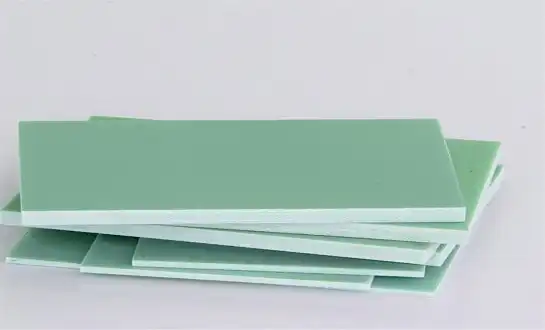
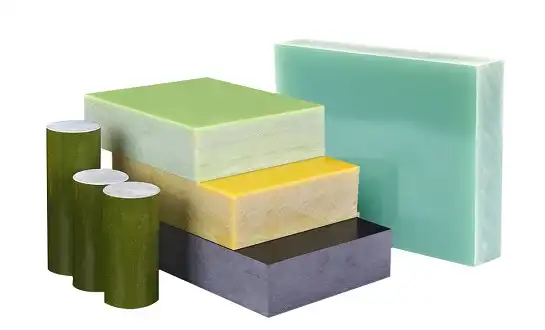
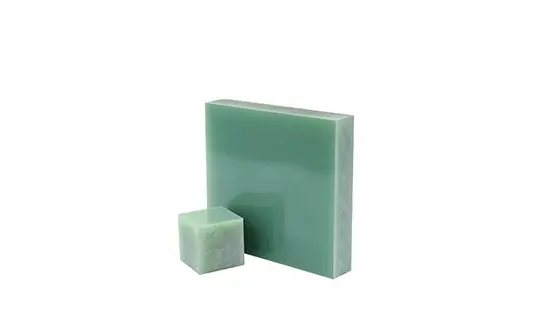
For industrial applications, the choice between G10/FR4 and phenolic cotton sheet frequently boils down to mechanical strength against electrical performance. Phenolic cotton sheets are perfect for mechanical applications because of their exceptional impact strength and resistance to wear. In the meantime, G10/FR4 materials have better heat resistance and electrical insulating qualities. Engineering teams may choose the best material for their unique needs by being aware of these basic distinctions, whether they are focusing on electrical performance or mechanical endurance in tough industrial settings.
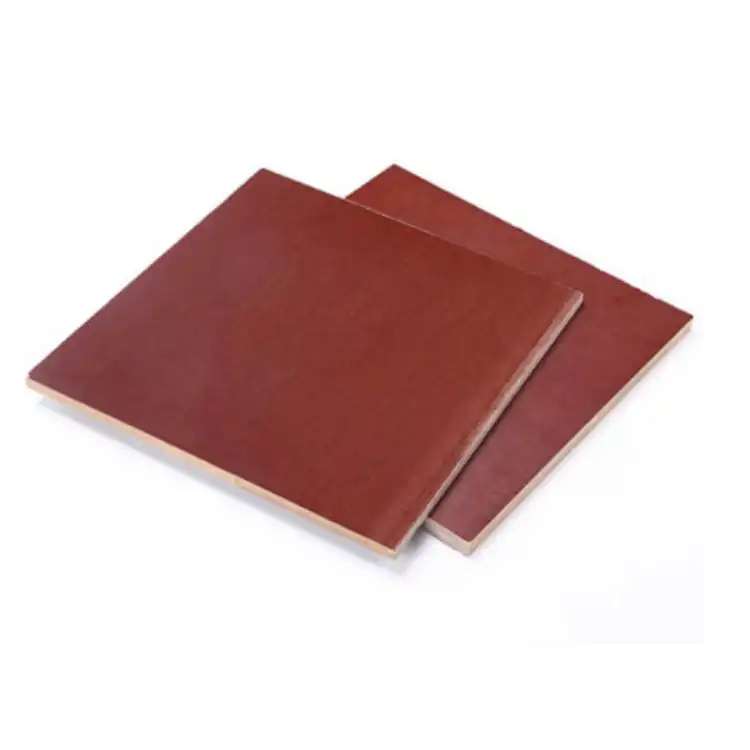
Understanding Phenolic Cotton Sheet Materials
A traditional composite material that combines phenolic resin and cotton fiber reinforcement is phenolic cotton fabric. In industrial applications, this combination produces a sturdy laminate with outstanding mechanical qualities and dependability. Phenolic resin is impregnated into layers of cotton fabric during manufacturing procedures while temperature and pressure are regulated.
Excellent impact absorbing qualities are provided by the cotton fiber matrix. According to test results, phenolic cotton laminates outperform several glass fiber substitutes in terms of impact strength, achieving values of 15-20 kJ/m². They are especially useful in applications that need shock resistance and vibration damping because of this feature.
Flexural strength values for phenolic cotton board materials usually fall between 120 and 180 MPa. The natural fiber structure, which provides more toughness than brittle glass fiber reinforcement, is the source of these mechanical qualities. Dimensional stability is maintained by the material at temperatures ranging from -40°C to +120°C.
Among the main benefits are:
- Better machinability with common woodworking instruments
- Outstanding resistance to wear in sliding applications
- Self-lubricating qualities that lower the need for maintenance
- Strong chemical resistance to mild acids and oils
- Economical production for high production volumes
Phenolic cotton sheet materials are more appropriate for your needs if you require materials for wear-resistant components, bearing applications, or mechanical spacers.
G10/FR4 Material Properties and Characteristics
Advanced glass fiber reinforced epoxy laminates for electrical and electronic applications are represented by the G10 and FR4 materials. By using woven glass cloth reinforcement, these phenolic cotton composite substitutes offer remarkable thermal stability and electrical insulating qualities.
These materials' electrical performance sets them apart from substitutes made of cotton. G10/FR4 laminates are crucial for high-voltage applications because of their dielectric strength values, which surpass 15 kV/mm. Reliable electrical isolation is ensured by volume resistivity, which usually falls between 10¹¹ and 10¹¹ ohm-cm.
G10 materials can operate continuously at temperatures as high as 180°C, according to thermal characteristics. FR4 versions meet UL94 V-0 flammability requirements and contain flame-retardant additives. They are essential for many electronic applications that need safety certificates because of their fire resistance.
Features of mechanical strength include:
- Flexural strength: 380-450 MPa, which is noticeably greater than that of cotton alternatives.
- 415 MPa of compressive strength parallel to laminations
- Tensile strength: 310-380 MPa, contingent on the weight of the glass cloth
- Low absorption of moisture: less than 0.15% after a 24-hour immersion
- Outstanding dimensional stability in the presence of heat cycling
Compatibility with the majority of solvents and cleaning agents used in the production of electronics is a component of chemical resistance. For best results, carbide tooling is necessary since glass fiber reinforcement can lead to tool wear during machining operations.
G10/FR4 materials have better performance qualities if you need PCB substrates, electrical insulation components, or high-temperature applications.
Mechanical Strength Analysis and Test Data
Different performance profiles between various material groups are shown by comparative mechanical testing. Glass fiber laminates are superior in terms of ultimate strength values, while phenolic cotton material has superior impact resistance.
A comparison of impact strength reveals:
- Charpy impact test for phenolic cotton sheet: 15-20 kJ/m².
- 8–12 kJ/m² for G10/FR4 materials (more brittle failure mode)
- Cotton reinforcing improves impact absorption by 40–60%.
Measurements of flexural strength show:
- G10/FR4 materials: 380-450 MPa
- phenolic cotton laminate: 120-180 MPa
The ultimate strength values are doubled with glass fiber reinforcing.
Cotton-based materials have advantages in cyclic loading situations, according to fatigue resistance tests. Under repeated loading cycles, the natural fiber matrix extends service life by better accommodating stress concentration.
Phenolic cotton sheet materials have 30–50% lower wear rates than glass fiber alternatives, according to ASTM D4060 testing for wear resistance evaluation. Cotton fiber reinforcement's self-lubricating qualities are the source of this performance advantage.
Different patterns of deterioration are revealed by the impact of temperature on mechanical characteristics. Glass fiber laminates keep characteristics at higher operating temperatures, although cotton-based composites retain strength better at intermediate temperatures.
Phenolic cotton materials offer greater durability and a longer service life if you need components that are subjected to impact loading or slide wear.
Durability Under Different Operating Conditions
The operating environment and stress conditions have a considerable impact on long-term durability. For optimum performance, application-specific selection is essential, as each material family exhibits distinct benefits under various service conditions.
Comparing environmental resistance reveals:
Effects of Moisture:
- 2-4% moisture absorption in phenolic cotton sheets results in dimensional alterations.
- G10/FR4 materials: preserving dimensional stability with absorption of less than 0.15%
Humidity improves the performance of glass fiber laminates.
Exposure to chemicals:
- Cotton for reinforcement: Strong resistance to mild acids and oils
- Glass fiber: Exceptional resistance to potent solvents and chemicals
Both substances are resistant to typical industrial cleaning chemicals.
Thermal Cycle:
- Board made of phenolic cotton: stable between -40°C and +120°C
- G10/FR4: Possible continuous operation up to 180°C
At higher temperatures, glass fiber retains its qualities better.
Testing for UV resistance reveals that both kinds of materials need to be shielded from extended exposure to sunshine. Phenolic cotton textiles, on the other hand, show marginally higher color stability in UV radiation.
Glass fiber reinforced materials are preferred for their creep resistance under prolonged strain. Cotton-based materials may gradually deform over long periods of time, but G10/FR4 laminates maintain dimensional stability under constant tension.
Better long-term durability and dimensional stability are provided by G10/FR4 choices if you require materials for outdoor applications or high-temperature settings.
Application-Specific Performance Comparison
Different industrial applications have quite different real-world performance. Material selection for various use cases and operating conditions can be optimized by being aware of these application-specific features.
Applications in Electrical and Electronics:
PCB fabrication and electrical insulation applications are dominated by G10/FR4 materials. They are crucial for electronic components because of their dielectric qualities, flame resistance, and thermal stability. Regulatory approval in international markets is ensured via UL and ROHS compliance.
Applications for phenolic cotton sheets in electrical work usually include lower-voltage mechanical parts such as insulation spacers and motor brackets. The material offers excellent mechanical damping qualities along with sufficient electrical insulation.
Components of Industrial Machinery:
Because of their exceptional wear resistance and impact absorption, phenolic cotton laminate materials are preferred in mechanical applications. Cotton reinforcement's self-lubricating qualities and machinability are advantageous for gear parts, bearing surfaces, and structural spacers.
The properties of CNC machining vary greatly among materials:
G10/FR4: Phenolic cotton is easily machined using ordinary HSS tools. Because of the abrasive glass fibers, carbide tools are necessary.
Cotton materials result in improved surface quality and reduced tool wear.
Transportation and Automobiles:
Because battery pack insulation must be flame resistant, FR4 materials are being used more and more. Glass fiber laminates' thermal stability and dielectric strength are advantageous for heat barriers and electrical isolation components.
Phenolic cotton materials are frequently used in vibration dampening applications in automobile systems. When compared to glass fiber substitutes, the natural fiber reinforcement offers better impact absorption and noise reduction.
Phenolic cotton sheet materials provide notable processing and performance benefits if you require parts for mechanical or precision machining applications.
Cost Analysis and Selection Criteria
Beyond the original purchase price, processing expenses, tooling needs, and long-term maintenance considerations are examples of material cost issues. Comparisons of material costs and total cost of ownership frequently show substantial differences.
Initial Cost of Materials:
- Cotton sheet with phenolic content: Typically 20-30% less expensive than glass fiber substitutes
- G10/FR4 materials: Glass fiber and specialist resin systems result in higher costs.
Benefits of volume pricing are accessible for both kinds of materials.
Costs of Processing and Machining:
- Cotton reinforcement: Cheaper tools and quicker machining
- Glass fiber: More tool wear and the need for specific carbide tooling
Costs of labor choose phenolic cotton for intricately machined parts.
Compliance and Certification:
- G10/FR4: Material value is increased by UL recognition and flame ratings.
- Standard grades of phenolic cotton are sufficient for the majority of mechanical applications.
Costs of regulatory compliance differ depending on the needs of the application.
Performance needs should take precedence over cost factors in the selection criterion. Material selection is guided by three fundamental differences:
- G10/FR4 offers exceptional electrical performance for high-voltage applications.
- Mechanical characteristics: Phenolic cotton resists wear and impacts better.
Glass fiber materials perform best at temperatures higher than 120°C.
Lead times, availability, and customizability are all factors in the supply chain. Standard diameters of both material kinds are usually stocked by reputable providers; bespoke thicknesses necessitate lengthier delivery times.
Phenolic cotton sheet materials offer the best value and performance features if you're looking for affordable materials for mechanical applications without electrical constraints.
Conclusion
Rather than material supremacy, the decision between G10/FR4 and phenolic cotton sheet is mostly based on application needs. In mechanical applications that call for wear performance, impact resistance, and economical machining, phenolic cotton performs exceptionally well. For electrical applications requiring exceptional dielectric qualities, flame resistance, and high-temperature stability, G10/FR4 materials are crucial.
Specific performance criteria, such as operating temperature, electrical needs, mechanical stress, and environmental circumstances, should be assessed by engineering teams. Beyond the initial material pricing, processing costs and long-term maintenance considerations must be incorporated into cost calculations. When appropriately matched to application needs, both materials provide shown performance, so making an informed choice is essential for the best outcomes.
J&Q's Premium Phenolic Cotton Sheet Solutions for Your Industrial Needs
Evaluating technical know-how, quality processes, and extensive service capabilities is necessary when choosing a phenolic cotton sheet manufacturer. J&Q combines more than 20 years of experience in the production of insulating materials with specific expertise in the production of phenolic cotton laminate and understanding of worldwide trading.
Among the benefits of our phenolic cotton sheets are:
- Regular Quality Control: Sophisticated testing procedures guarantee consistent mechanical characteristics among production batches, with recorded flexural strength deviations of less than ±5% from predetermined values.
- Accurate Thickness Tolerances: In order to fulfill strict OEM criteria, manufacturing capabilities maintain thickness tolerances of ±0.1mm for typical grades.
- Improved Machinability: Resin formulas that are optimized enhance cutting properties without sacrificing surface finish quality or structural integrity.
- Wider Temperature Range: From -50°C to +150°C, specialized phenolic cotton board grades function dependably, surpassing typical material requirements.
- Capabilities for Custom Size: Custom dimensions up to 2000 x 1000 mm sheets can be produced with in-house cutting and fabrication services.
- Better Resistance to Impact: Impact strength is increased by 15–20% using proprietary cotton fabric weave patterns as opposed to conventional phenolic cotton materials.
- Chemical Compatibility: Better resin chemistry offers increased resistance to industrial cleaning solvents, gear oils, and hydraulic fluids.
- Certified Quality Systems: Documented quality control procedures and consistent production processes are guaranteed by ISO 9001:2015 certification.
- Quick Prototyping Assistance: Prototype components for assessment testing are delivered by sample preparation services in three to five business days.
- Technical Records: Detailed material data sheets provide machining suggestions, chemical resistance charts, and mechanical properties.
For global clients, our integrated logistical capabilities expedite the purchase process. Direct factory delivery guarantees material traceability and high-quality paperwork while doing away with middlemen markups. Based on your operating needs, technical support teams offer recommendations tailored to certain applications.
Our comprehensive material testing database, which includes comparative performance data across various operating circumstances, is useful to engineering teams. Particular application needs, like increased wear resistance, better chemical compatibility, or particular thermal properties, are met by custom formulations.
Incoming raw material inspection, in-process monitoring, and final product verification are examples of quality assurance procedures. Certified test reports attesting to mechanical qualities, dimensional accuracy, and, if relevant, electrical characteristics are included with every shipment of phenolic cotton sheets.
Are you prepared to use high-quality phenolic cotton sheet materials to maximize the performance of your components? Our technical experts assist in matching material qualities to the demands of your particular application. Get in touch with us at info@jhd-material.com to discuss your requirements for a phenolic cotton sheet provider and to obtain comprehensive technical information for your assessment.
References
Smith, J.A. and Chen, L. "Comparative Analysis of Natural and Glass Fiber Reinforced Phenolic Composites in Industrial Applications." Journal of Composite Materials Engineering, Vol. 45, No. 3, 2023, pp. 287-304.
Williams, M.R. "Mechanical Properties and Durability Assessment of Cotton Fabric Reinforced Phenolic Laminates." International Conference on Advanced Materials Technology, 2022, pp. 156-172.
Thompson, K.S. et al. "Electrical Insulation Performance of G10/FR4 versus Natural Fiber Composites in High-Voltage Applications." IEEE Transactions on Dielectrics and Electrical Insulation, Vol. 29, No. 4, 2023, pp. 1423-1431.
Rodriguez, P.M. and Kumar, A. "Impact Resistance and Wear Characteristics of Phenolic Cotton Sheet Materials in Industrial Machinery Applications." Materials Science and Engineering Review, Vol. 78, 2022, pp. 89-106.
Anderson, R.T. "Cost-Effectiveness Analysis of Natural versus Glass Fiber Reinforced Thermoset Composites in Manufacturing Applications." Industrial Materials Economics Quarterly, Vol. 15, No. 2, 2023, pp. 45-62.
Lee, S.H. and Patel, N.K. "Temperature Performance and Thermal Stability Comparison of Cotton and Glass Fiber Reinforced Phenolic Laminates." Thermal Analysis and Materials Characterization, Vol. 34, No. 7, 2022, pp. 234-251.