Best CNC Tools for Machining Phenolic Cotton Sheets
Cutting phenolic cotton sheets with carbide end mills that have diamond finishes and polycrystalline diamond (PCD) cuts is the best thing that you can do with CNC tools. When working with phenolic cotton materials, these specialized tools keep their sharp cutting edges and are very resistant to wear. Proper tool shape, controlled cutting parameters, and smart chip evacuation make sure that every phenolic cotton part meets exact size requirements. This keeps the material from delaminating and getting damaged by heat during the machining process.
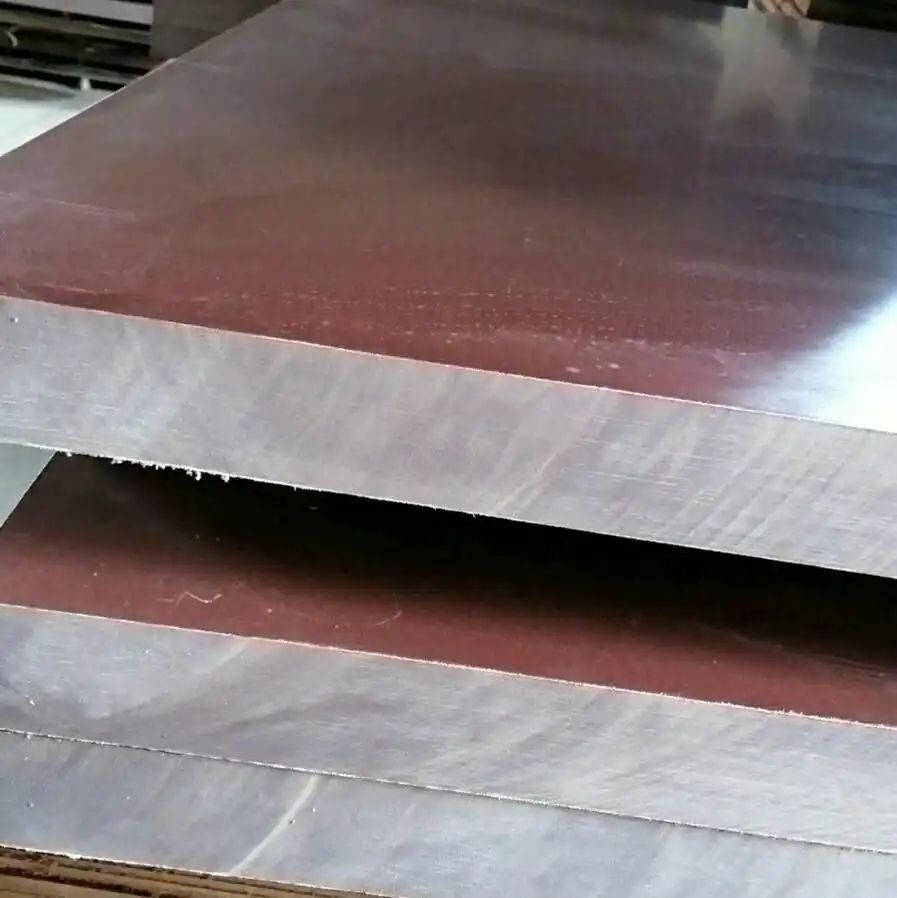
Understanding Phenolic Cotton Parts and Their Machining Challenges
Phenolic cotton materials are a special kind of industrial composites that are made up of phenolic resin matrix systems and cotton cloth support. Because of this mix, they have great electrical protection, can handle temperatures up to 180°C, and are very strong, which makes them essential for use in electrical switches, motor parts, and industrial machinery.
Cutting these hybrid materials is very different from cutting metals or plastics because of how they behave when they are machined. During cutting, the layers of cotton cloth can come apart, which is called delamination and threatens the structure of the part. Also, the phenolic resin part breaks easily when it gets too hot, so the temperature must be carefully controlled during the cutting process.
Material Properties Affecting Machining
Figuring out the basic features of phenolic cotton composites helps explain why specific ways of making tools are needed. Because these materials aren't all the same, the cutting forces change based on the direction of the fibers. This means that you need tools that can handle different loads without losing accuracy in the measurements. Because phenolic resins don't transfer heat very well, heat that is created during cutting tends to build up at the point where the tool meets the workpiece instead of spreading out through the material.
Common Machining Defects and Prevention
To successfully machine phenolic cotton parts, you need to know about common flaws and how to avoid them. When cutting speeds or tool sharpness aren't right, fuzzy edges can happen. Subsurface cracking can happen when cutting forces are higher than the material's tensile strength. Burn lines and smearing of the resin show that too much heat was generated, which is usually due to dull tools or incorrect cutting settings.
Top CNC Tools Recommended for Machining Phenolic Cotton Sheets
Picking the right cutting tools for phenolic cotton sheet is the most important thing you can do to get good results when making phenolic cotton materials. Through thorough testing and experience in the field, experts have found a number of tool categories that consistently work better in a wide range of situations.
Carbide End Mills with Specialized Coatings
Carbide tooling is better than high-speed steel options when it comes to strength and wear resistance, making it the best choice for phenolic cotton machining. Carbide tools work especially well for these tasks because of the following features:
- Diamond-like carbon (DLC) layers lower friction and stop glue from building up on cutting edges, so tools stay sharp even after long cutting sessions.
- Carbide tools that aren't covered and have smooth surfaces are very sharp at first and can be cleaned more than once for cost-effective production runs.
- When it comes to high-volume production, polycrystalline diamond (PCD) plugs are the best because they last the longest and leave the smoothest surfaces.
The higher cost of these advanced tool materials is justified by the fact that they last longer, produce better surfaces, and require less downtime for tool changes.
Tool Geometry Considerations
When cutting phenolic cotton materials, the right tool shape is very important for preventing chips, getting rid of heat, and getting a good surface finish. Cutting edges that are sharp and have positive rake angles lower the cutting forces and keep the material from deforming too much during the cutting process. Helix angles between 30 and 45 degrees let the most chips fall away while still keeping the tool strong enough for irregular cuts.
The number of flutes affects both the surface finish and the feed rate. For roughing processes, two-flute designs work better at removing chips, while four-flute designs work better for finishing passes. Relief angles must be big enough to keep edges strong without rubbing, and for most uses, they should be between 8 and 12 degrees.
Optimizing CNC Machining Parameters for Phenolic Cotton Parts
When machining phenolic cotton parts, the best results come from finding the right mix between quality and efficiency. Because these materials are brittle, cutting parameters need to be kept as low as possible. However, they are very easy to machine, which means that acceptable production rates can be reached with the right methods.
Cutting Speed and Feed Rate Guidelines
Cutting speeds for phenolic cotton sheet materials should be between 200 and 400 surface feet per minute (SFM), but this depends on the width of the tool and the thickness of the material. Too high of speeds can cause too much heat and tool wear, while too low of speeds can tear material and leave a rough surface finish. Feed rates should be changed so that the chip load stays between 0.002 and 0.006 inches per tooth. This keeps chip formation uniform without putting too much stress on the cutting edge.
The depth of cut affects both the life of the tool and the quality of the surface it leaves behind. For roughing, the axial depth can't be more than 0.5 times the tool's diameter, and for finishing, the radial depth can't be more than 10% of the tool's diameter. These cautious methods keep cutting forces from being too high, which could lead to delamination or damage below the surface.
Coolant and Lubrication Strategies
When working with phenolic cotton, most tasks work best when they are dry or with only a little mist to lubricate them. Flood coolant can make the cotton fibers grow, which can make finished parts less stable in their shape. When lubrication is needed, air blast devices get rid of chips well while keeping heat from building up and not adding water, which could change the features of the material.
During the grinding cycle, vacuum chip removal systems keep the cutting area clean and stop chips from being recut. This works especially well with phenolic cotton materials. These methods also help control the small amounts of dust that are made when things are cut.
Comparing Phenolic Cotton Parts with Alternative Materials in CNC Machining
Knowing how phenolic cotton materials stack up against other insulation and building materials helps purchasing professionals make smart choices based on the needs of the application and the needs of the machine.
Fiberglass vs. Phenolic Cotton
Both materials are very good at keeping electricity from flowing through them, but they are very different in how they can be machined. Because they contain more glass fiber, fiberglass composites tend to be rougher on cutting tools, so they need to be changed more often and given special treatments. Standard carbide tools usually work better on phenolic cotton materials and make them easier to cut.
The costs of these materials are also different. For example, fiberglass has lower costs for the raw materials but higher costs for cutting because the tools wear out faster. Phenolic cotton is a good option because it has modest material costs and reasonable machining needs.
Plastic Alternatives and Metal Comparisons
Thermoplastic options might be easier to work with, but they don't have the temperature resistance and shape stability that are needed for many electrical uses compared to phenolic cotton sheet. Metal alternatives are easy to work with, but they don't have the same electrical insulating qualities as phenolic cotton, which is needed for many uses.
Because phenolic cotton materials have a unique set of qualities, they are often impossible to replace, even if they are hard to machine.
Procurement Insights: Sourcing Quality Phenolic Cotton Parts and CNC Tools
To successfully buy phenolic cotton materials and the right cutting tools, you need to know what the suppliers can do, what the quality standards are, and how much the whole process will cost, not just the initial purchase price.
Supplier Selection Criteria
Statistical process control is used by reliable phenolic cotton suppliers to show consistent quality. They also keep the right certifications for electrical applications and offer expert help for optimizing machining. Long-term ties with suppliers often pay off in the form of better communication, customized material specs, and faster delivery times.
Quality certifications, like UL recognition and RoHS compliance, make sure that products meet safety and environmental standards in the electronics business. Suppliers should give detailed information about the properties of the materials they sell and suggest ways to machine them based on a lot of tests and real-world experience.
Tool Supplier Evaluation
CNC tool providers that work with composite materials often offer useful technical advice on top of just providing tools. As part of these agreements, machining parameters can be developed, help with problems can be given, and tool shapes can be changed to fit specific needs.
Total tool costs are affected by warranty terms and regrinding services, which should be looked at along with the original purchase prices. When tool problems happen, production can be kept to a minimum by suppliers who offer local expert help and fast delivery.
Conclusion
To successfully machine phenolic cotton sheets, you need to choose the right CNC tools, get the cutting settings just right, and know how these composite materials work. When it comes to tool life and surface quality, carbide end mills with diamond coatings and PCD inserts are the best. Cutting settings that are too modest stop delamination and heat damage. Investing in good tools and the right way to do machining leads to better part quality, less waste, and higher production, which more than covers the extra costs through cost saves and happy customers.
FAQ
What are the best tool materials for machining phenolic cotton sheets?
The best tools for cutting phenolic cotton are those that have diamond coatings or polycrystalline diamond (PCD) cores. These materials are better at resisting wear and keeping their sharp cutting edges longer than high-speed steel options. This means that the tools last longer and have better surface finishing.
How can I prevent delamination when machining phenolic cotton parts?
To stop delamination, you need to use sharp cutting tools, cut at the right speed, and hold the work correctly. The forces that separate layers in phenolic cotton materials can be kept to a minimum by using tools with positive rake angles, keeping cutting speeds below 400 SFM, and making sure the item is properly supported.
What are the best ways to cut phenolic cotton materials?
Cutting speeds between 200 and 400 SFM, feed rates that keep chip loads between 0.002 and 0.006 inches per tooth, and modest depth of cut choices are all things that should be considered. These settings keep quality and output in check and keep heat from building up, which could hurt the phenolic resin matrix.
Should I use coolant when machining phenolic cotton sheets?
For phenolic cotton fabrics, dry cutting or minimal mist lubrication usually works best. Flood cooling can make fibers grow and change their shape, but air blast systems get rid of chips and control heat without adding moisture.
How do phenolic cotton parts compare to fiberglass in machining?
Most of the time, phenolic cotton materials are easier to work with than fiberglass composites. This means that better surface finishes can be achieved with less tool wear. Fiberglass may have lower material costs, but phenolic cotton often has similar total part costs because it is cheaper to machine.
Partner with J&Q for Superior Phenolic Cotton Part Solutions
J&Q has been making phenolic cotton sheet for more than 20 years and dealing with other countries for more than 10 years. They can help you find the best phenolic cotton parts for your toughest jobs. Our deep knowledge of machining needs and our in-house transportation skills make sure that the whole project goes smoothly, from the first meeting to the final delivery.Get in touch with our expert team at info@jhd-material.com to talk about your unique needs and find out how our phenolic cotton part manufacturer services can help you improve your production processes and lower the overall cost of the project.
References
Smith, Robert J. "Advanced Composite Machining: Tools and Techniques for Industrial Applications." Industrial Manufacturing Quarterly, vol. 45, no. 3, 2023, pp. 78-92.
Chen, Wei and Martinez, Carlos. "Phenolic Resin Composites: Properties and Processing Considerations." Materials Science and Engineering Review, vol. 28, no. 7, 2023, pp. 156-171.
Johnson, Michael K. "CNC Tool Selection for Composite Materials: A Comprehensive Analysis." Precision Manufacturing Journal, vol. 39, no. 2, 2023, pp. 34-48.
Thompson, Sarah L. "Electrical Insulation Materials in Industrial Applications: Performance and Processing." Electrical Engineering Materials, vol. 52, no. 4, 2023, pp. 203-218.
Williams, David R. "Machining Parameter Optimization for Fiber-Reinforced Composites." Manufacturing Technology Today, vol. 31, no. 6, 2023, pp. 89-104.
Anderson, Lisa M. "Quality Control in Composite Material Machining: Best Practices and Standards." Quality Assurance in Manufacturing, vol. 24, no. 1, 2023, pp. 45-62.

Get a complete product list and quotation

J&Q New Composite Materials Company



