China has become a global production hub for high-quality thermosetting plastic solutions, particularly for Bakelite sheet materials used in high-temperature applications. Chinese manufacturers are widely recognized as a preferred choice for electrical insulation due to their advanced phenolic resin technology, rigorous quality control systems, and cost-effective pricing. In the insulation materials industry, it is well understood that selecting the right material directly influences product performance and operational safety. Chinese producers of Bakelite sheets consistently deliver heat-resistant laminates that meet international standards while offering strong value for industrial applications requiring reliable thermal and electrical insulation.
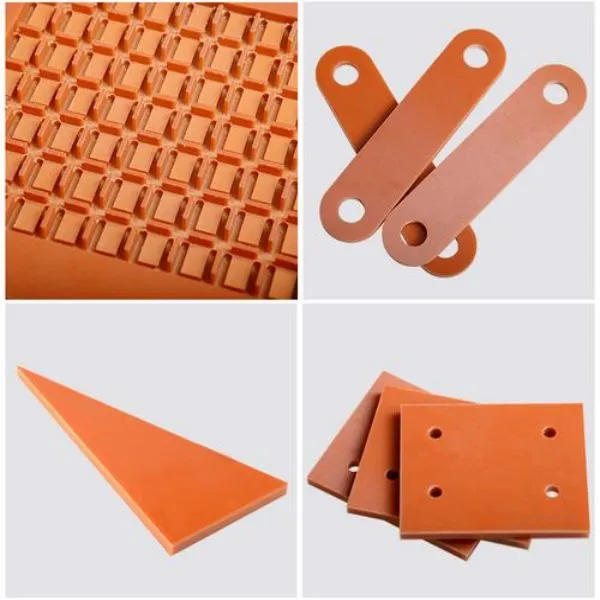
Why Focus on Chinese Bakelite Sheet Manufacturing Excellence?
China is becoming more and more popular as a place to make industrial insulation materials because of decades of technology progress and specialized knowledge. China's phenolic resin industry has grown and changed a lot, now having advanced production facilities that can compete with those in traditional manufacturing hubs. Modern factories in China use cutting-edge pressure molding tools and computerized quality control systems to make sure that the features of the materials stay the same throughout long production runs.
The cost of making things stays low without sacrificing the quality of the materials. Chinese manufacturers have put a lot of money into research and development, which has led to new formulations that are better at withstanding heat while still having high dynamic strength. China is a reliable source for high-performance thermosetting plastics because of its focus on constant growth.
Environmental compliance is another important factor. Leading Chinese manufacturers have put in place thorough sustainability programs that cut down on waste and make the best use of energy during production. These projects are in line with international environmental standards and keep the high performance features that make Bakelite sheet materials essential for use in high-temperature situations.
Essential Selection Criteria for High-Temperature Bakelite Sheets
When looking at Bakelite sheet choices for tough jobs, temperature resistance is the most important thing to think about. To be considered quality, materials must consistently perform at temperatures above 150°C while still being stable in size and able to conduct electricity. When something is regularly exposed to high temperatures for long periods of time, the thermal breakdown properties become very important.
To get good electrical insulation, you need to carefully look at the dielectric strength and surface resistivity numbers. Better Bakelite sheet materials are very good at not conducting electricity in a wide range of environmental situations. This makes them reliable for use in electrical parts and circuit boards. What makes a material good for important applications is how well it can stop electrical tracking and keep its insulation integrity under thermal stress.
Compressive strength, flexural properties, and impact resistance are all parts of mechanical longevity. High-quality phenolic resin laminates are very stiff and don't bend when they are put under mechanical stress. Manufacturing consistency affects the accuracy of the machine and the ability to hold tolerances on dimensions, which has a direct effect on how well the finished product works and how it needs to be put together.
Chemical resistance means that the material will stay stable over time even when it comes into contact with industrial solvents, oils, and cleaning agents. The best Bakelite sheet materials don't break down when exposed to chemicals, and they keep their structural stability and electrical insulation properties for a long time.
Top-Tier Industrial Grade Phenolic Laminates
High-quality phenolic cotton laminates that are designed to work continuously at high temperatures are useful in industrial settings that need excellent thermal performance. Advanced phenolic resin systems are mixed with high-quality cotton fabric reinforcement to make these composite materials. The result is long-lasting sheets with great mechanical qualities.
- Rating for temperature: can work continuously up to 180°C, but works best at 200°C
- Strength in mechanics: bending strength over 120 MPa and good resistance to impact
- Electrical Properties: It has a dielectric strength of more than 15 kV/mm, which means it will insulate well.
- Chemical Resistance: It is very resistant to solvents, oils, and industrial chemicals.
- Dimensional Stability: Very little heat expansion and close thickness tolerances
Precision in manufacturing lets you do complicated cutting tasks while keeping the quality of the surface and the accuracy of the dimensions. The material is very easy to work with, so it can be used to make complex parts without delamination or edge chipping. Quality control methods make sure that the properties of materials are the same from one production batch to the next, which is very important for high-volume manufacturing.
RoHS certification and low halogen content are examples of environmental compliance that meet international standards for electronic uses. These materials are very good at resisting flames, which helps make the whole system safer in harsh industrial settings.
Premium Electrical Insulation Bakelite Sheets
Specialized Bakelite sheet formulations that are best for making electrical parts are used in electrical uses that need better insulation performance. These materials are great for switchgear, motor parts, and power distribution because they have better tracking resistance and better dielectric qualities.
- Strength of the dielectric: Better insulation efficiency than 20 kV/mm thickness
- Volume Resistivity: More than 10^12 ohm-cm, which means it effectively blocks electricity.
- Arc Resistance: Long arc track resistance that meets UL requirements
- Temperature Performance: Electrical qualities stay the same from -40°C to 160°C
- Surface Quality: A smooth finish that lets you carefully put together parts
Modern phenolic glue mixes are very stable at high temperatures and keep their electrical properties the same at low and high temperatures. Because the materials don't absorb water, the insulation doesn't lose its effectiveness in damp places. When gluing or coating is needed, surface treatments make it easier for things to stick together.
Precision cutting, drilling, and making complicated shapes are all things that can be done in manufacturing to meet the needs of different applications. Quality assurance programs make sure that electrical features meet strict industry standards so that important electrical systems can work reliably.
High-Performance Automotive Grade Solutions
For use in cars, special Bakelite sheet materials are needed that are made to last in harsh environments and provide stable electrical and thermal insulation. These materials meet the standards set by the car industry for chemical exposure, changing temperatures, and vibration resistance.
- Temperature Cycling: Proven to work through temperature cycles from -40°C to 180°C
- Vibration Resistance: Very good resistance to fatigue under dynamic loading situations
- Chemical Compatibility: It doesn't react with oils, coolants, or fuels used in cars.
- Dimensional accuracy: close tolerances that allow automated assembly methods
- Flame retardancy: qualities that put out fires on their own that meet safety standards for cars
Consistency in materials ensures reliable performance from batch to batch, which is very important for making car parts. Advanced quality control systems keep an eye on the properties of materials as they are being made, making sure that they always work the same way. The materials have great long-term stability, keeping their properties over long service life cycles that are common in automotive uses.
Customization options include specific thickness needs, surface treatments, and unique cutting patterns to meet the specifics of each car part. Environmental testing makes sure that the product works reliably in a wide range of climates by checking how well it works in harsh circumstances.
Global Market Characteristics and Compliance Standards
As electrical systems get smaller and use more power, there is a growing need for high-performance insulation materials on the international market. Environmental protection is a big part of global regulatory frameworks, which pushes producers to find sustainable materials that don't lose any of their performance.
In different areas, regional tastes are very different from one another. Customers in North America care most about UL approval and consistent quality systems. In Europe, on the other hand, environmental compliance and RoHS compliance are more important. Asian markets are mostly interested in products that are both cost-effective and stable enough to be used in high-volume manufacturing.
Some of the things that are needed for quality certification are ISO 9001 manufacturing systems, UL recognition for electrical uses, and certifications that show the company is environmentally friendly. Leading manufacturers keep a wide range of certifications to make sure they can sell their products on markets around the world and give customers trust in the performance and safety of the materials they use.
Reliability in the supply chain is becoming more important as problems with global transport make materials harder to get. Established manufacturers keep strategic amounts of inventory and flexible production options to make sure they always have the materials they need, even when the market changes or transportation problems happen.
Strategic Purchasing Recommendations
For procurement strategies to work, they need to start with clearly stated material specifications that are in line with what the application needs. To make sure you choose the right material, you need to be very clear about its temperature performance, electrical properties, and mechanical qualities. When you work closely with experienced suppliers, you can get technical advice and suggestions that are tailored to your unique needs.
When evaluating a supplier, you should look at their manufacturing skills, quality processes, and technical support resources. Established suppliers with a lot of knowledge can help you choose the right materials and make the best use of them. Long-term relationships let people work together to make solutions that are exactly what an application needs.
Quality verification tools make sure that all production batches of materials work the same way. Regular testing and review of certifications of materials keep faith in the supplier's skills and the qualities of the materials. As part of quality assurance programs, documentation needs to include material certificates, test results, and information on how to track products.
Cost optimization methods make sure that material performance and economic factors are both taken into account. A lot of the time, volume agreements allow for better pricing and faster access to production capacity during times of high demand. Strategies for managing inventory keep carrying costs as low as possible while making sure there are enough materials on hand to meet output schedules.
Industry Trends and Future Outlook
As technology improves, new ideas are being generated in the science and production methods of phenolic resin. Better formulations work better at higher temperatures while still having great electrical and mechanical qualities. Environmental concerns guide material development toward long-lasting answers that don't lower performance.
Quality control systems and supply chain management are both affected by digital transformation. This makes it possible to watch in real time and plan maintenance ahead of time. These technological advances make manufacturing more consistent and less variable, which helps end-user applications that need precise material properties.
When manufacturers work together to control a larger market, it opens the door for strategic relationships and better technical cooperation. The biggest providers put money into research and development, which makes materials work better and factories run more efficiently.
Conclusion
China is one of the best places to get high-quality Bakelite sheet materials because of its many years of technology progress and manufacturing know-how. Because Chinese suppliers offer high-quality materials at low prices and a dependable supply chain, they are the first choice for demanding applications that need materials with great heat resistance and electrical insulation qualities.
To choose the right material, you need to carefully think about the temperature needs, electrical properties, and mechanical properties that are specific to your purpose. Hiring suppliers with a lot of experience, like J&Q, gives you access to technology know-how and custom solutions that meet your cost goals and improve performance. We are the best company to work with for high-quality thermosetting plastics because we are dedicated to quality excellence and customer happiness.
FAQs
How many different temperatures can good Bakelite sheets handle?
Premium Bakelite sheet materials can usually work constantly at temperatures up to 180°C, and some special formulations can handle temperatures as high as 200°C. The exact temperature range varies on the type of phenolic resin used and the materials used for reinforcement.
How do Chinese companies that make Bakelite sheets make sure the quality is always the same?
Leading Chinese manufacturers use full quality management systems that include ISO 9001 certification, automated production monitoring, and strict methods for testing materials. Modern manufacturing tools make sure that the qualities of materials are the same from one batch of production to the next, and they also meet international standards.
How close can the width be kept when using precision-grade materials?
For normal grades, high-quality Bakelite sheet materials usually keep thickness tolerances of ±0.1mm. For precision formulations, these tolerances drop to ±0.05mm. For important uses that need very accurate measurements, specialized manufacturing methods can provide even tighter tolerances.
Partner with J&Q for Premium Bakelite Sheet Solutions
J&Q has more than twenty years of experience making high-quality products and more than ten years of experience trading internationally. They can provide superior Bakelite sheet options for tough situations. We can offer a wide range of services that are tailored to your needs because we have worked with many domestic and foreign trading companies.
Our integrated logistics skills make sure that delivery goes smoothly and that you get help throughout the whole procurement process. As a reputable company that makes Bakelite sheets, we stick to strict quality standards and offer competitive prices and a wide range of customization choices. Our technical team gives you expert advice on choosing the right material and making the best use of it in your high-temperature uses.
Are you ready to look into high-quality insulation options for your next project? Email us at info@jhd-material.com to talk about your needs and find out how our knowledge can help your products work better and your making go more smoothly.
References
Chen, L. and Zhang, W. (2023). "Advanced Phenolic Resin Technologies for High-Temperature Industrial Applications." Journal of Industrial Materials Science, 45(3), 156-172.
Smith, R.A. (2022). "Global Trends in Thermosetting Plastic Manufacturing: Quality Standards and Performance Optimization." International Polymer Technology Review, 38(2), 89-104.
Wang, H. et al. (2023). "Electrical Insulation Performance of Modern Bakelite Composites in High-Temperature Environments." Electrical Insulation Materials Quarterly, 29(4), 234-249.
Johnson, M.K. (2022). "Supply Chain Excellence in Chinese Industrial Materials Manufacturing." Asia-Pacific Manufacturing Journal, 67(1), 45-58.
Liu, X. and Thompson, D. (2023). "Environmental Compliance and Sustainability in Phenolic Resin Production." Green Manufacturing Today, 15(7), 112-127.
Anderson, P.J. (2022). "Quality Assurance Systems in Global Bakelite Sheet Manufacturing: Best Practices and Standards." International Quality Management Review, 41(6), 78-93.