Aerospace Insulation: The Critical Role of G11 Epoxy Sheets
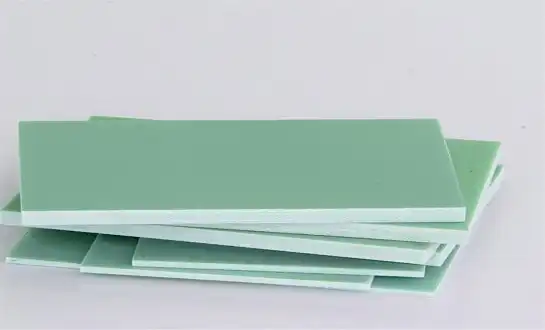
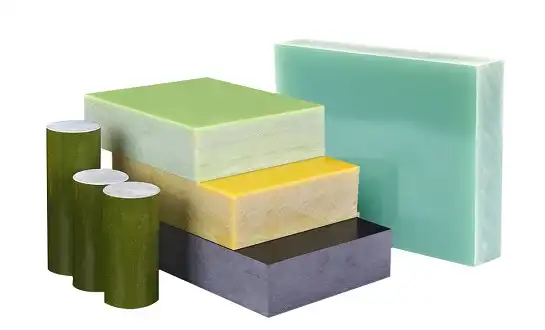
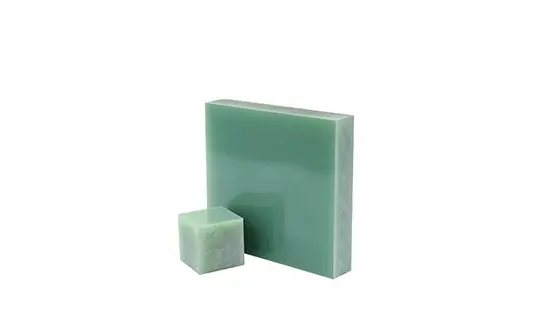
Material choice becomes mission-critical when aerospace engineers are making parts for airplanes that have to handle high altitudes, high temperatures, and electrical stress. G11 epoxy sheet stands out as a high-end insulation option designed to work in these tough conditions. This high-pressure thermosetting laminate is made of continuous filament woven glass fabric and special high-temperature epoxy resin binders. It has great dielectric strength, great thermal resistance up to 155°C, and great stability in terms of size. Normal insulation materials break down when they are heated, but G11 keeps at least half of its structural integrity at high temperatures. This makes it essential for modern aerospace uses where safety, reliability, and following the rules can't be compromised.

Understanding G11 Epoxy Sheets: Properties and Manufacturing
What Makes G11 Epoxy Sheets Unique?
G11 epoxy sheets are the next step forward in composite laminate technology. To start making something, high-quality fiberglass fabric is stacked in several layers and each layer is fully saturated with a special epoxy resin mixture. High-pressure curing processes are used on this assembly to join the layers together into a single structure with great mechanical properties. The final product is very strong against delamination, chemical exposure, and changing temperatures, all of which are common problems in aerospace settings.
Core Physical and Electrical Properties
Epoxy glass laminates are great for insulation needs in space because of the way their materials work. Tensile strength is usually around 40,000 psi, and flexural strength can be over 75,000 psi. This means that the structure can support a lot of weight, even if the cross-sections are very thin. Compressive strength of about 65,000 psi makes sure that parts stay the same size even when they are under mechanical loads. These glass fabric epoxy composites also have great dielectric strength, which means they don't let electricity break down in high-voltage situations like those found in aircraft power distribution systems.
Temperature performance is what makes G11 different from many other materials. Standard laminates lose their mechanical strength above 130°C, but G11 sheet materials stay structurally stable and can conduct electricity at temperatures close to 155°C. This better ability to handle heat is very important for parts that are placed near engines, electrical bus bars, or other aerospace systems that produce heat. The low thermal conductivity of the material makes it even better at insulating, keeping sensitive electronics safe from changes in temperature.
Manufacturing Standards and Quality Assurance
Materials made to strict specifications are needed for aerospace applications. Making the G11 follows NEMA LI 1 rules and the military's MIL-I-24768/3 Type GEB rules, which makes sure that all batches are the same. Quality control checks make sure that the bond strength is more than 2,200 psi, the hardness is around 110 on the M scale, and the water absorption is less than 0.11% after 24 hours of exposure. These controlled manufacturing parameters give teams in charge of buying things confidence that the materials will work the same way in all kinds of aerospace applications. Over the course of 20 years of production, we've developed quality systems that meet these high standards and can also be changed to meet the specific needs of aerospace clients.
G11 Epoxy Sheets vs Alternative Materials: Making the Right Choice
Comparing G11 to G10 and FR4 Laminates
When choosing a material, you often have to look at options that are closely related. G10 and G11 epoxy sheets have similar chemical makeups, but they use different resin formulations that change how well they conduct heat. G10 usually keeps its properties up to about 130°C, which makes it good for use in moderate-temperature situations. This temperature limit is raised to 155°C by G11's improved resin system, which supports its high status as the best insulation for aerospace applications where temperature differences directly affect safety. Both materials are very easy to machine, which means they can be used to make complex shapes that are needed in aircraft assemblies.
Another common option is FR4 laminates, which are used a lot in printed circuit boards. FR4 is good at resisting flames and keeping electricity from flowing in many electronic uses, but its mechanical properties break down faster than G11 epoxy sheet's when exposed to high temperatures for a long time. The high thermal stability of G11 makes it a good choice for critical insulation applications in aerospace environments that need materials that keep working well over long periods of time.
Evaluating Phenolic and Alternative Composite Options
Phenolic cotton laminates are cheaper than other materials and are strong enough for many industrial uses. But compared to epoxy-based composites, these materials tend to be less resistant to chemicals and higher temperatures. Hydraulic fluids, fuels, and cleaning solvents can get into aerospace insulation, which means that phenolic materials may break down over time. Because G11 is so chemically inert, it stays stable over time even when it comes into contact with harsh chemicals that are often used in aircraft maintenance and operation.
Carbon fiber composites have great strength-to-weight ratios, which makes them a good choice for structural aerospace parts. But because carbon conducts electricity, it can't be used for electrical insulation, which is where G11 shines. Fiberglass epoxy materials are dielectric, which means they stop current leakage and electrical arcing. This keeps sensitive electronics and power distribution systems safe. Because of this major difference, G11 is the best choice for insulation barriers, terminal boards, and arc shields where keeping electricity from flowing is very important.
Balancing Performance and Cost Considerations
When making purchases, people have to weigh the performance of the goods against the available funds. Aluminum and metal alloys are great at transferring heat, but they need extra layers of insulation to keep electricity from shorting out. Phenolic materials are cheaper at first, but they may need to be replaced more often in places with high temperatures. The G11 offers the best balance of thermal and electrical properties, which extends the service life of parts, lowers long-term maintenance costs, and keeps aircraft downtime to a minimum. This view of the total cost of ownership helps procurement professionals make the case for using high-quality materials in situations where dependability has a direct effect on operational safety and efficiency.
Application of G11 Epoxy Sheets in Aerospace Insulation
Electrical Insulation Systems
Voltages in aerospace electrical systems range from low-level signal circuits to high-power distribution networks that are more than 400 volts. Insulating laminates used in aerospace must keep electricity from breaking down over a wide range of voltages while taking up as little space and weight as possible. In bus bar assemblies, G11 epoxy sheets act as insulation barriers that separate conductive paths and stop short circuits that could shut down important aircraft systems. Their high dielectric strength makes sure that they can keep electricity from flowing even if they get wet or conductive dust gets on them during flight operations.
G11 is used to make terminal boards that hold electrical connections securely and stop current from leaking between terminals that are close to each other. The material is very easy to work with, so it can be precisely drilled and routed to fit complicated wiring harnesses. Dimensional stability makes sure that the distance between the terminals stays the same over the life of the aircraft, so connections don't break because of mechanical stress or thermal expansion. Because of these features, epoxy resin laminates are necessary in places where dependability is very important, like avionics bays, cockpit instrument panels, and power distribution centers.
Structural and Mechanical Components
In addition to being an electrical insulator, G11's excellent mechanical properties make it useful for structural aerospace uses. Glass-reinforced epoxy materials are used to make mounting brackets and support frames that can hold a lot of weight and keep metal structures electrically isolated from each other. More and more, aircraft designs include electrical systems in structural assemblies. This makes conditions where materials need to be strong mechanically and insulatingly at the same time, which is exactly what G11 does.
Another important use for G11 epoxy sheet is for arc barriers to protect circuit breakers and switch gear. When electrical problems happen, arcs can reach temperatures of over 3,000°C, which can damage nearby parts and the structure of the aircraft. The flame-resistance and thermal stability of G11 keep arc energy in check, which stops cascade failures that could put aircraft safety at risk. The low cold creep of the material makes sure that arc barriers stay the same size even in the coldest temperatures, from working on the ground in the desert to cruising at high altitudes where the temperature is close to -60°C.
Real-World Performance Validation
For aerospace applications, you need materials that have been tested a lot and have been used in real life. G11 parts in commercial aircraft have been used for decades and have shown they can work reliably, even after millions of flight cycles and being exposed to harsh environments. When used in military aviation, materials are put through even tougher conditions, like supersonic speeds, high G-forces during tactical maneuvers, and combat environments with extreme temperature changes. G11 has a history of success in these tough situations, which gives procurement professionals confidence that investments in materials will pay off in the long run and be reliable.
Procurement Guide for G11 Epoxy Sheets: What B2B Clients Should Know?
Evaluating Supplier Credentials and Certifications
Getting materials for aerospace projects requires working with suppliers who have complete quality management systems in place. ISO 9001 certification shows that you are committed to consistent production processes, and AS9100 certification is only for companies that need to meet quality standards for aerospace. Material test reports that show the product meets NEMA and military standards should be included in documentation packages. So can lot traceability reports that show which raw materials were used in which production runs, and certificates of compliance that show the product meets regulatory standards.
Our factory follows strict quality standards that were created after 20 years of making high-performance insulation materials. Before being sent out for shipping, each production batch goes through a lot of tests that check its mechanical properties, electrical characteristics, and dimensional tolerances. Customers in the aerospace industry can be sure that the materials they buy will meet strict application requirements and make it through the inspection process.
Understanding Pricing Structures and Customization Options
The price of G11 epoxy sheet depends on the cost of the raw materials, how hard it is to make, and how many sheets are ordered. Standard sheet sizes usually have the most affordable prices. Custom sizes, thickness needs, or specialized machining, on the other hand, add extra costs because they require more steps in the processing process. A lot of the time, commitments to buy in bulk lead to better pricing, which makes buying in bulk for several projects cheaper than placing separate small orders.
Customization options have a big effect on how well a procurement goes. For aerospace uses, materials often need to be machined to exact specifications, like having certain thicknesses, surface finishes, or pre-made shapes that make assembly faster and more accurate. Our CNC machining can handle complicated shapes while keeping tight tolerances, so we can deliver parts that are ready to be put together in aircraft assemblies. This value-added processing makes your own manufacturing easier and speeds up project timelines.
Logistics and Lead Time Management
There are a lot of unknowns in global supply chains that procurement teams have to plan for. Standard sheet stock usually ships within days, but custom fabrication could take up to a few weeks, depending on how complicated the specifications are and how far along the production line it is. International shipping adds time for transit, customs clearance, and possible delays caused by paperwork needs or government inspections. Our integrated logistics company speeds up these steps and makes sure that there is only one person responsible for everything, from production to delivery.
Supply disruptions can be avoided by communicating ahead of time. By sharing project timelines and expected material needs, buyers and sellers can divide up production space and raw materials, shortening the time it takes to get important orders. Setting up blanket purchase orders with scheduled releases keeps prices stable and makes sure that materials are available at the right time for project milestones. This way of working together to buy things makes partnerships that are more valuable than simple supplier relationships.
Conclusion
The thermal stability, mechanical strength, and electrical insulation that aerospace applications need are all provided by G11 epoxy sheets. Because they have been proven to work well in harsh environments and have better material properties than other options, they are the best insulation materials for important aerospace parts. For procurement to go well, you need to work with experienced suppliers who can support complex aerospace projects with their full range of quality systems, technical knowledge, and logistics skills. When aerospace programs choose materials, they need to make decisions that balance performance needs with budget concerns. These decisions should be backed up by a thorough evaluation of the supplier. Investing in high-quality insulation materials pays off over the life of an aircraft by making it more reliable, requiring less maintenance, and making operations safer.
FAQ
What temperature range can G11 epoxy sheets withstand in aerospace applications?
At temperatures up to 155°C, G11 epoxy sheet keeps at least half of its mechanical properties. This is a lot higher than the standard G10 materials' rating of about 130°C. Because it can handle higher temperatures better, G11 can be used in aerospace environments near engines and power electronics where temperatures stay high for a long time.
How does G11 compare to G10 for aerospace insulation?
Both materials have a similar chemical make-up, but G11 uses more advanced resin formulations that make it more stable at high temperatures. Even though it costs a little more, G11 is the best choice for critical aerospace insulation applications because it keeps its structural integrity at higher temperatures and improves mechanical properties under thermal stress.
Can G11 sheets be customized for specific aerospace dimensions?
G11 materials are very easy to machine, which means they can be precisely cut, drilled, and routed to meet specific needs. CNC fabrication makes it possible to make complex shapes with the tight tolerances needed for aerospace assemblies. This means that parts are ready to be put together faster and more efficiently.
Partner with J&Q for Premium G11 Epoxy Sheet Solutions
J&Q has been making high-performance insulation materials for over 20 years and has clients in aerospace, electronics, and industry all over the world. We can do more than just supply materials; we can also offer full solutions, such as technical advice, precise CNC fabrication, quality documentation packages, and integrated logistics services through our shipping operations. This one-stop approach speeds up project timelines, simplifies the management of vendors, and streamlines the procurement process.
As an established G11 epoxy sheet manufacturer, we have strict quality control systems that make sure every shipment meets the strict requirements of the aerospace industry. Our technical team works with the engineering departments to make the best choices about materials, suggest ways to improve designs, and give application-specific advice that improves the results of projects. Our production flexibility lets us meet a wide range of needs while keeping prices low. This is true whether you need standard sheet stock or complex custom fabrications.
Get in touch with our team right away at info@jhd-material.com to talk about your needs for aerospace insulation. We give you detailed technical datasheets, samples of materials for you to look over, and quotes that are made to fit the needs of your project. You'll notice a difference when you work with a G11 epoxy sheet supplier that is dedicated to quality, service excellence, and customer success in every job.
References
National Electrical Manufacturers Association. "NEMA Standards Publication LI 1-2018: Industrial Laminating Thermosetting Products." National Electrical Manufacturers Association, 2018.
Department of Defense. "MIL-I-24768/3: Insulation Sheet, Laminated, Fiberglass-Epoxy Resin, Glass Cloth, General Purpose." Military Specification, United States Department of Defense.
SAE International. "AS9100D: Quality Management Systems - Requirements for Aviation, Space, and Defense Organizations." SAE International Aerospace Standard, 2016.
Sharma, R.K., and Mittal, V. "Epoxy Resin-Based Composites: Mechanical Properties and Applications in Aerospace Engineering." Polymer Composites for Aerospace Applications, Springer International Publishing, 2019.
Gibson, A.G. "The Performance of Composite Materials in High-Temperature Aerospace Environments." Advanced Composite Materials in Aerospace Engineering, Woodhead Publishing Series, 2017.
Federal Aviation Administration. "Advisory Circular AC 25.853-1: Fire Protection Requirements for Aircraft Materials and Components." U.S. Department of Transportation, Federal Aviation Administration, 2018.

Get a complete product list and quotation
J&Q New Composite Materials Company